





The Comfort of the Classics
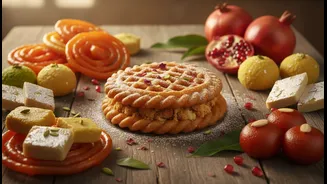
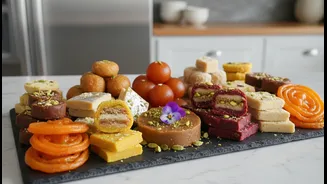
For generations, the Indian mithai shop has been a cornerstone of celebration and daily indulgence. The glass counters filled with glistening Kaju Katli, golden Motichoor Ladoos, and syrupy Gulab Jamuns offer a sense of permanence. These sweets are not
just treats; they are deeply woven into the fabric of cultural life, marking festivals, weddings, and personal milestones. This year-round availability is part of their charm. You know that no matter the month, you can find your favourite barfi or peda waiting for you, tasting exactly as you remember. This consistency is built on recipes passed down through generations and a business model prioritising familiarity over novelty.
A Fresh Wave of Sweetness
Lately, a new philosophy has begun to take root, championed by a new generation of chefs and gourmet mithai brands. They are asking a simple question: why shouldn't mithai reflect the seasons, just like other forms of cuisine? This has given rise to the concept of seasonal mithai, which goes far beyond the traditional winter appearance of Gajar ka Halwa or Til Gajak. This new movement is about consciously creating sweets that highlight ingredients at their peak freshness. Imagine strawberry-infused pedas in the winter, delicate rose and lychee barfis in early summer, and rich, creamy custard apple (sitaphal) sweets during the monsoon.
The Drivers of a Delicious Disruption
Several factors are fuelling this sweet evolution. Firstly, there's the rise of a more adventurous Indian consumer. Exposed to global food trends, today's diners are seeking novelty and appreciate the nuances of fresh, high-quality ingredients. They want the comfort of tradition but with a contemporary, thoughtful twist. Secondly, a new class of artisanal mithai makers and pastry chefs are applying modern culinary techniques to traditional sweets. Brands like Khoya, Bombay Sweet Shop, and Gur Chini are not just sweet makers; they are innovators, blending tradition with modern palates and a focus on health. They are experimenting with natural sweeteners like jaggery and dates, reducing sugar content, and creating visually stunning, 'Instagrammable' products that appeal to a younger, digital-savvy audience.
From Farm to Festive Box
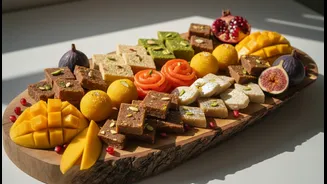
This trend is creating an exciting new calendar for sweet lovers. Summer might bring Alphonso mango-based creations, from Aam Papad Ladoos to fresh Mango Shrikhand. The monsoon season could feature sweets with jamun or sweet corn, while autumn could see the introduction of fig (anjeer) and pomegranate. Winter remains a celebration of rich, warming ingredients, but with new interpretations beyond the classics, like strawberry and cream sweets or citrus-infused creations. These limited-edition offerings create a sense of exclusivity and anticipation, turning the act of buying mithai from a routine purchase into a seasonal discovery. Many of these creations are also finding a place in fusion desserts, like Gulab Jamun cheesecake or Rasmalai Tres Leches, further bridging the gap between traditional and contemporary tastes.
A Sweeter, More Dynamic Future
While the organised packaged sweets market is growing rapidly, about 90% of India's mithai industry remains in the hands of traditional, unorganised sellers. The challenge for this new seasonal movement is whether it will remain a premium, urban phenomenon or inspire a broader shift. The logistics of sourcing seasonal ingredients and the shorter shelf life of fresh fruit-based sweets can be a hurdle. However, the trend aligns perfectly with a growing consciousness around mindful consumption, local sourcing, and healthier eating. It pushes mithai from being just a 'sweet' into the realm of artisanal food, where story, sourcing, and seasonality matter as much as taste. The static, year-round display of sweets will always have its place, but its dominance is now being challenged by a more vibrant, dynamic, and arguably more delicious, seasonal calendar.