

The Coastal Cooler: Sol Kadhi
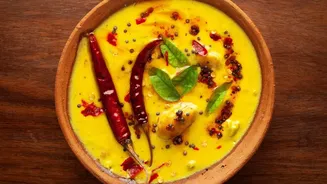
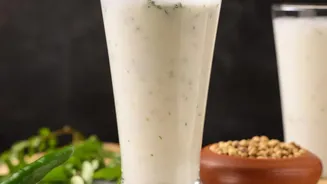
Hailing from the Konkan coast, particularly Goa and Maharashtra, Sol Kadhi is a soothing, pale pink beverage revered for its digestive properties. It is traditionally consumed after a meal to cool the system, especially after fiery coastal curries. The
drink is deceptively simple, made from coconut milk and the dried rind of the kokum fruit (Garcinia indica). This gives it a unique flavour profile that is simultaneously tangy and creamy. While recipes vary, it's often seasoned with a hint of salt, green chillies, and garlic, creating a refreshingly complex taste. The kokum fruit itself is what imparts the drink's signature colour and many of its health benefits.
The Northern Powerhouse: Kanji
Travel north, and you’ll find Kanji, a pungent, deep purple-hued fermented drink especially popular in Punjab, Rajasthan, and Uttar Pradesh. Unlike the creamy Sol Kadhi, Kanji’s base is water, and its key ingredient is black carrots, which are available during the winter months. The carrots are chopped and submerged in water with salt and ground mustard seeds, then left to ferment in the sun for several days. This process gives Kanji its distinctive sour and spicy kick. It is traditionally associated with the festival of Holi and is valued as a probiotic-rich tonic that aids digestion and boosts immunity.
A Gut Feeling: The Wellness Wave
The resurgence of these drinks isn't just about nostalgia; it’s deeply connected to the global wellness movement and a growing focus on gut health. Fermented foods are celebrated for containing probiotics—beneficial bacteria that support a healthy digestive system. Both Sol Kadhi and Kanji are natural sources of these good microbes. Sol Kadhi is known to aid digestion, prevent acidity, and act as a body coolant, making it a perfect post-meal digestive. The kokum in it is also rich in antioxidants. Similarly, Kanji is a low-calorie drink packed with probiotics that help improve gut flora, boost immunity, and detoxify the body. As consumers become more health-conscious and wary of sugary, processed beverages, these traditional Indian drinks offer a wholesome, functional alternative.
From Tradition to Trend
So why are these drinks suddenly appearing in trendy urban cafes? The answer lies in a broader cultural shift. There's a renewed appreciation for ancestral food wisdom and a 'return to roots' movement across India. Diners are increasingly seeking authentic, regional flavours with a story. Innovative chefs and cafe owners are tapping into this sentiment, reintroducing these heritage drinks to a new generation. By placing Sol Kadhi and Kanji on their menus, they are not only offering a unique, healthy beverage but also preserving a piece of India's rich culinary heritage. These drinks provide a flavour profile that is complex and satisfying without relying on artificial additives or excessive sugar.
The Modern Makeover
While the core recipes remain traditional, some cafes are giving these drinks a contemporary twist. You might find Sol Kadhi served in a chilled cocktail glass with an elegant garnish, or Kanji used as a tangy base for a non-alcoholic mocktail. This modern presentation makes the drinks more approachable and 'Instagrammable' for a younger audience who may not have grown up with them. This fusion of old and new resonates with health-conscious millennials and Gen Z consumers who are eager to explore traditional ingredients in a modern context. It’s a celebration of flavour, health, and history, all in one glass.