




The festive season is approaching, and with it, the dream of a well-deserved getaway. But for many, that dream is clashing with the frustrating reality of disrupted flight networks, forcing a widespread rethink of holiday plans.
Understanding the Widespread Disruption
The current turmoil in
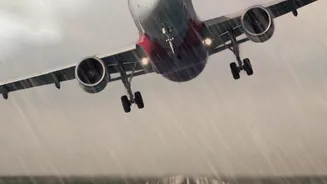
the aviation sector is not down to a single issue but a combination of persistent problems. Airlines are grappling with a complex web of challenges, including geopolitical instability that affects fuel costs and flight paths. For instance, conflicts in the Middle East have raised concerns about jet fuel supplies and the security of certain air corridors, leading some carriers to preemptively adjust schedules. Beyond global politics, operational issues remain a significant factor. These include everything from technical and maintenance problems to air traffic control congestion and staff shortages on the ground. Even weather events in one part of the world can have a domino effect, causing late-arriving aircraft elsewhere and throwing schedules into disarray for days.
Know Your Rights as a Passenger in India
If your travel plans are hit by a cancellation or a long delay, it's crucial to know your rights. In India, the Directorate General of Civil Aviation (DGCA) has specific rules that airlines must follow. These are not matters of goodwill; they are legal requirements. If your flight is cancelled with little notice (less than two weeks and more than 24 hours), the airline must offer you an alternative flight or a full refund. For cancellations with even less notice, you may be entitled to monetary compensation ranging from ₹5,000 to ₹10,000, in addition to a full refund if you choose not to take an alternate flight. If you are denied boarding due to overbooking, compensation can be as high as ₹20,000. It's important to note, however, that these compensation rules may not apply in 'extraordinary circumstances' beyond the airline's control, such as severe weather or political instability.
What to Do During a Long Delay
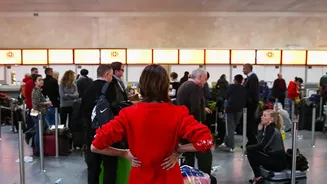
While Indian regulations don't mandate monetary compensation for delays, airlines are still obligated to provide care. For domestic flights delayed by two hours or more, passengers are entitled to free meals and refreshments. If a delay stretches overnight (for instance, a flight scheduled between 8 p.m. and 3 a.m. is delayed by over six hours), the airline is required to provide you with hotel accommodation and transport. Should an airline fail to provide these mandated facilities, passengers have the right to file a complaint with the DGCA or even approach a consumer court for redressal.
Smart Strategies to Safeguard Your Trip
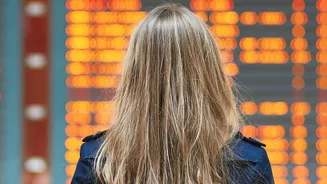
In the current climate, proactive planning is your best defence against disruption. When booking, consider flying at off-peak times, such as early in the morning, as these flights are less likely to suffer from cascading delays from earlier in the day. Using airline apps and online flight trackers can give you real-time information, sometimes even before it appears on the airport departure boards. Purchasing comprehensive travel insurance that specifically covers cancellations and delays due to a wide range of reasons is also more important than ever. Be sure to read the fine print, as some policies may exclude disruptions caused by events classified as 'acts of war'. Finally, have a backup plan. Knowing what alternative flights or even train routes exist can help you make quick decisions if your original plan falls through.
The Rise of the 'Plan B' Holiday
The uncertainty is prompting a shift in travel behaviour. A recent survey revealed that nearly a third of experienced international travellers have already changed, postponed, or cancelled a trip in 2026 due to safety and security concerns. Many are opting for destinations closer to home, leading to a surge in domestic travel and 'staycations'. Others are swapping planes for trains to ensure more certainty. Instead of giving up on holidays altogether, travellers are adapting. They are becoming more informed, choosing destinations perceived as safer, and building more flexibility into their itineraries. This trend suggests a move towards more resilient and thoughtful travel, where the journey is just as important as the destination, and having a solid backup plan is the new standard.