







More Than a Meal
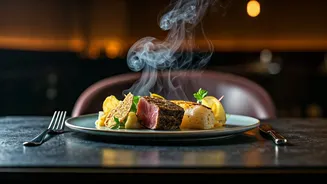
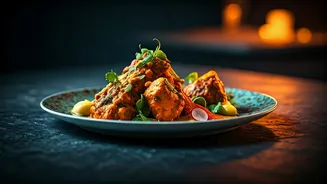
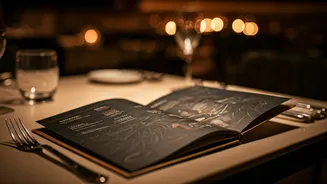
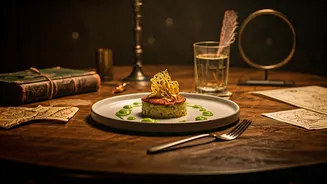
A story-led restaurant does more than just serve food; it builds a world. This approach, sometimes called narrative dining, weaves a story through every aspect of the experience. The decor, the staff's uniforms, the music, the menu's design, and even
the weight of the cutlery are all carefully chosen to tell a cohesive tale. The goal is to create a strong emotional connection with diners, transforming a simple meal into a memorable, multi-sensory event. It’s not just about a blurb on the menu explaining where the carrots came from; it's about making the diner a participant in a larger narrative, whether it’s the history of a family recipe, the cultural heritage of a region, or even a fictional character's journey.
The Experience Economy on a Plate
This shift is deeply rooted in the rise of the “experience economy,” where consumers, particularly younger generations, increasingly prioritize memorable activities over material goods. After a period of lockdowns and home cooking, people are hungry for connection and adventure, and dining out has become a primary way to find it. Restaurants are tapping into this by offering more than just sustenance; they are providing entertainment, education, and a sense of escape. Social media also plays a significant role. A compelling story or a visually stunning, thematic dish is inherently shareable, turning diners into brand ambassadors who spread the restaurant's narrative online.
Meet the Storytellers
Examples of this trend are popping up globally. The UK-based Indian chain Dishoom, for instance, builds each of its locations around the imagined story of a specific character, evoking the nostalgia of 1940s Bombay cafés. In Copenhagen, Alchemist offers a six-hour, multi-act dining event where guests move through different spaces, each with its own artistic theme and social commentary. At Guelaguetza in Los Angeles, the story is one of heritage, celebrating Oaxacan traditions through family recipes and cultural history. These establishments prove that a powerful story, whether historical, fictional, or cultural, can be a restaurant's most compelling ingredient.
From Heritage to High-Concept
The stories being told are as diverse as the restaurants themselves. Many draw on heritage, using food to connect diners with a specific time and place, like the Armenian-Lebanese history evoked at Anoush'ella in Boston. Others are built on the personal journey of the chef, turning the menu into a culinary autobiography. Some restaurants even invent fictional narratives, creating an immersive, theatrical experience that feels like stepping into another world. This isn't just for fine dining, either. Even casual spots are using authentic stories about their passion, their origins, or their community connection to stand out in a crowded market.
Authenticity is Key
For the story-led approach to succeed, authenticity is crucial. Diners are savvy and can quickly spot a narrative that feels forced or insincere. The most successful restaurants are those whose stories are a genuine reflection of their identity, values, and passion. When a story is told with honesty, it fosters a sense of trust and humanizes the brand, creating a loyal following that returns not just for the food, but for the feeling of connection. The narrative can't just be a marketing gimmick; it must be backed up by the quality of the food and the sincerity of the service. A great story might bring a customer in once, but only a great overall experience will bring them back.