








Meet Your Body's Internal Clock
Our bodies run on a natural 24-hour cycle called the circadian rhythm, which acts as an internal clock for everything from hormone release to body temperature. This rhythm is mainly influenced by light and darkness, but the timing of our meals also plays
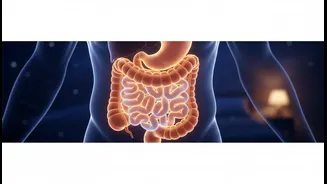
a powerful role. This emerging field of science is called chrononutrition. Essentially, our digestive system doesn't work at the same capacity around the clock. It's designed to be most active and efficient during daylight hours. Your metabolism peaks during the day, making it the ideal time to process a substantial meal. In contrast, as evening approaches and your body prepares for rest, your digestive processes naturally slow down.
The Problem with a Heavy Dinner
For many, dinner is the largest meal of the day. While culturally common, this habit forces your digestive system to work overtime right when it's supposed to be winding down. Eating a large meal late at night can lead to indigestion, acid reflux, and bloating, as your body struggles to process the food efficiently. This can disrupt sleep by causing discomfort and raising your core body temperature, which needs to drop for you to fall and stay asleep. Studies have shown a clear link between late meal timings and poorer sleep quality. The body is forced to choose between digesting and resting, and often, neither process happens optimally.
Why a Big Lunch Boosts Gut Health
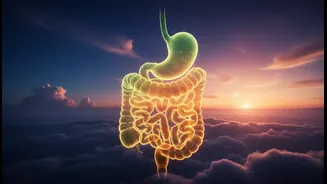
Making lunch your main meal aligns perfectly with your body’s natural rhythm. When you consume the bulk of your calories midday, your digestive system is at its peak performance. This allows for more efficient breakdown of food and better absorption of nutrients. Furthermore, your gut microbiome—the trillions of bacteria in your digestive tract—also follows a daily rhythm. Consistent, daytime eating helps support a diverse and healthy microbial community. Eating late at night can disrupt these microbial cycles, potentially leading to inflammation and other gut-related issues. By front-loading your caloric intake, you give your gut the fuel it needs when it's best equipped to handle it, promoting better balance and function.
The Sleep Connection Explained
A lighter dinner, consumed at least two to three hours before bed, paves the way for a more peaceful night's sleep. When your body isn't burdened with digesting a heavy meal, it can focus on the restorative processes that happen during sleep. Research indicates that people who eat their main meal earlier in the day report better sleep quality and duration. This is because a lighter evening meal helps maintain stable blood sugar levels throughout the night, preventing the energy spikes and crashes that can cause you to wake up. It also allows for a smoother transition into the deep, restorative stages of sleep, so you wake up feeling genuinely refreshed.
Tips for Making the Switch
Shifting your eating pattern can feel challenging, but starting small makes it manageable. Begin by gradually increasing the size of your lunch while slightly reducing your dinner portion. Focus on a balanced midday meal rich in protein, healthy fats, and complex carbohydrates to provide sustained energy for the afternoon. Planning is key. A simple strategy is to cook a larger dinner and set aside a generous portion for the next day's lunch before you even sit down to eat your smaller evening meal. If you feel hungry in the evening, opt for a light, easily digestible snack like fruit or a small bowl of yoghurt rather than a full meal. The goal is to listen to your body and slowly adjust to a new, more beneficial rhythm.