


Why Monsoon Is a High-Risk Season
The magic of the monsoon—cool air, wet earth, and lush greenery—unfortunately creates the ideal breeding ground for a host of problems for our furry companions. The combination of high humidity and intermittent rain means your pet's coat can remain damp
for hours, creating a warm, moist environment where fungal and bacterial skin infections thrive. Puddles of stagnant water, a common sight on streets and in parks, can harbour dangerous bacteria and parasites, posing a risk of gastrointestinal upsets and serious diseases like leptospirosis if ingested. Furthermore, the damp, dense undergrowth becomes a hotspot for ticks and fleas, which multiply rapidly in these conditions, increasing the chances of an infestation and the tick-borne fevers that can follow.
Mastering Tick and Flea Prevention
During the rainy season, parasite prevention is not optional; it’s a critical line of defence. Ticks and fleas are more than just a nuisance; they are carriers of diseases that can make your pet seriously ill. Your first step should be to consult your veterinarian about the most effective tick and flea prevention product for your dog, whether it's a monthly spot-on treatment, an oral chewable tablet, or a medicated collar. Consistency is key, so ensure you are up-to-date with the prescribed schedule. Beyond medication, diligence is your best tool. After every single walk, conduct a thorough tick check. Run your fingers through your pet’s coat, feeling for small bumps. Pay close attention to their favourite hiding spots: in and around the ears, under the collar, between the toes, and in their 'armpits'. Finding and removing a tick within 24 hours can significantly reduce the risk of disease transmission.
The Golden Rules of Paw Hygiene
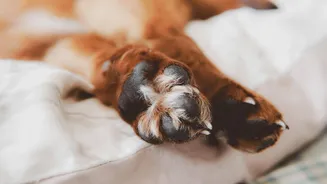
Paws are your pet's direct connection to the wet and muddy world outside, making them extremely vulnerable during the monsoon. Trapped moisture between the paw pads can quickly lead to painful fungal infections, yeast overgrowth, and bacterial dermatitis. This is why a strict paw-care routine is non-negotiable. After every outing, no matter how short, you must clean and dry your dog’s paws. A simple rinse with lukewarm water or wiping with a damp cloth is effective for removing mud and potential contaminants. The most crucial step, however, is drying. Use a soft, absorbent towel and make sure to dry thoroughly between each toe and pad. For long-haired breeds, consider asking your groomer to trim the hair between their paw pads to prevent mud and moisture from getting trapped. Inspect the paws daily for any signs of trouble, such as redness, swelling, or excessive licking, and consult your vet if you notice anything unusual.
Essential Coat and Ear Care
While paws and parasites are primary concerns, overall hygiene is just as important. A perpetually damp coat is a leading cause of skin infections, often called 'hot spots' (acute moist dermatitis), which are painful, inflamed patches of skin. Always have a towel ready by the door for a vigorous rub-down after a wet walk. For dogs with thick or double coats, a pet-friendly blow dryer on a low-heat setting can be a lifesaver. At the same time, avoid the temptation to bathe your dog more frequently, as this can strip the skin of its natural protective oils, making it more susceptible to infections. The humidity also puts your pet at a higher risk for ear infections. Gently wipe the visible part of your dog's ears with a dry cloth after they've been in the rain, and never insert anything deep into the ear canal.
Building a Practical Monsoon Routine
Integrating these practices into a daily routine will make them feel less like chores and more like second nature. Keep a 'monsoon kit' by your door containing a towel, a paw-wiping cloth, and your tick-check essentials. Make the post-walk wipe-down a positive experience with praise and a treat. Schedule weekly tasks like checking your pet's ears and washing their bedding, which can become damp and musty in humid weather. Also, ensure their food is stored in an airtight container to prevent mould and that they always have access to fresh, clean drinking water, discouraging them from drinking from puddles. A few minutes of preventive care each day can spare your pet significant discomfort and save you from costly vet bills down the line.