



The Kitchen Is the New Studio
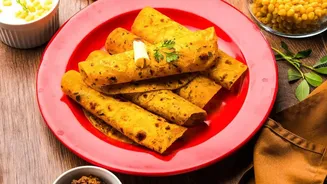
Not long ago, a drool-worthy food post meant a perfectly plated dish from a high-end restaurant. Today, it’s more likely to be a video of a grandmother’s hands expertly folding a paratha or a young professional recreating a forgotten family recipe. Indian
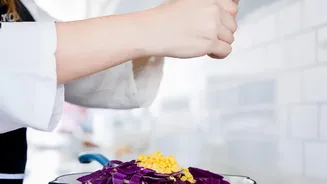
kitchens have transformed into dynamic content studios. Platforms like Instagram and YouTube have democratized culinary fame, turning everyday cooks into celebrated creators. The content that resonates most is not about unattainable perfection but emotional honesty and relatability. Slow-motion shots of sizzling tadka and close-ups of bubbling curries, often filmed with just a smartphone, have turned local home cooking into a national attraction. This shift marks a significant change from the era when food media was dominated by professional chefs and glossy publications. Now, influence is built not on a chef’s hat, but on the authenticity of one's home kitchen.
Authenticity Becomes Aspirational
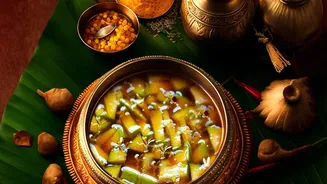
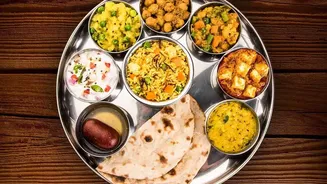
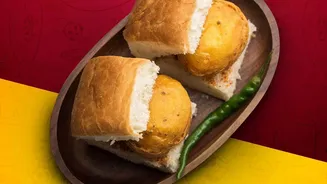
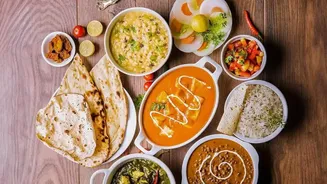
Why is a simple, home-cooked meal suddenly so cool? The trend is a direct response to years of standardized, algorithm-driven food consumption. After a decade of restaurant chains and food delivery apps offering predictable menus, there is a collective craving for something real. Social media is now flooded with creators reviving regional and heirloom recipes that were once considered too “ordinary” for the public stage. Dishes like Bihari litti chokha or Coorgi pandi curry are becoming viral sensations, celebrated for their deep cultural roots. This isn't just about food; it's a cultural reclamation. For a generation of urban Indians, many living away from home, these recipes offer a taste of nostalgia and a connection to their heritage. What was once dismissed as ‘ghar ka khana’ is now the ultimate badge of culinary honour, proving that true luxury isn't an imported ingredient, but a recipe passed down through generations.
From Passion Project to Paycheck
This digital movement is also fueling a powerful wave of entrepreneurship, particularly for women homemakers who are turning lifelong passion into a viable profession. The visibility gained on social media often translates into tangible business opportunities. Many home cooks start by showcasing their skills online and soon find themselves launching cloud kitchens or specialized tiffin services. Platforms like ChefPin, Tiffit, and Cookr have emerged to bridge the gap, connecting home chefs with customers seeking authentic, hygienic meals. These ventures are finding success by catering to niche demands that larger restaurants often overlook, such as diabetic-friendly meals, specific regional cuisines like Sindhi or Bengali food, and even daily tiffin boxes for schoolchildren. A recent viral story about a Gurgaon creator who playfully “charges” her husband for cafe-style meals sparked a national conversation about valuing the immense effort and creativity involved in home cooking.
The Realities of a Viral Recipe
While the rise of the home chef seems like a heartwarming tale of passion meeting platform, the reality involves significant labour. Building an engaged online community requires relentless consistency, creativity, and a knack for storytelling. Behind every effortlessly beautiful reel is the hard work of recipe testing, filming, editing, and engaging with followers. The pressure to stay relevant in a fast-moving digital landscape is immense, where trends can appear and vanish within weeks. Moreover, scaling up from a home kitchen to a small business comes with its own set of challenges, from navigating FSSAI registration to managing logistics like packaging and delivery. Success in this space is not just about being a great cook; it demands being a savvy entrepreneur, content creator, and community manager all at once.