





Before You Leave: Check Official Alerts
Your first decision happens before you even start the engine. In India, the India Meteorological Department (IMD) provides colour-coded weather warnings that can help you assess the risk. A green alert means all is well, but a yellow alert advises you to
'Be Aware' as conditions could worsen. An orange alert means 'Be Prepared' for potentially disruptive, heavy rain, while a red alert is a signal to 'Take Action'—meaning you should avoid travel unless absolutely essential due to a significant risk to life and property. Many local traffic police departments also post real-time updates on road closures and waterlogging on social media. A quick check of these official sources can be the most important step you take.
Visibility: When You Can't See, Don't Go
Heavy rain and the spray from large vehicles can reduce visibility to almost zero. A good rule of thumb is to significantly increase your following distance from other cars; what is normally a three-second gap in dry weather should be at least four to six seconds in the rain. If visibility drops to the point where you cannot see hazards or vehicles well ahead, it is time to pull over. Find a safe spot away from the traffic lane, like a designated rest area, and turn on your hazard lights. Avoid stopping under bridges or overpasses, as these can create wind tunnels during a storm. If you have to slow down dramatically due to poor visibility, use your low-beam headlights—not high beams, which reflect off raindrops and worsen the glare for you and other drivers.
Water Levels: Know Your Vehicle's Limit
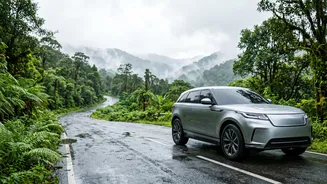
Waterlogged streets are a defining feature of monsoon travel in many Indian cities. It is extremely difficult to judge the depth of standing water, which can hide deep potholes or debris. As a rule, if you cannot see the road markings, the water is likely too deep to cross safely. Even six inches of water can be enough to cause you to lose control, and a foot of water can float many cars. If water reaches the bottom of your car doors, it is a high-risk situation. Driving through water that is deep enough to reach your car's air intake can lead to catastrophic engine failure, a condition known as hydrolock. If you are unsure of the depth, the safest option is always to turn around and find an alternative route.
Hydroplaning: The Silent Skid
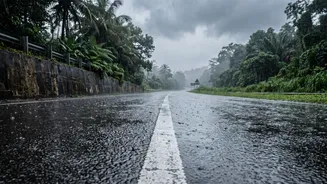
Hydroplaning occurs when a layer of water builds up between your tyres and the road, causing a sudden loss of traction. It can feel like floating, and you will lose the ability to steer or brake effectively. This frightening phenomenon can happen at speeds as low as 55-60 km/h in heavy rain. The risk is highest during the first 10-15 minutes of a downpour, when oil and road grime mix with water to create an exceptionally slick surface. To avoid it, the single most effective action is to slow down. If you do feel your car begin to hydroplane, do not slam on the brakes. Instead, ease your foot off the accelerator and steer gently in the direction you want to go until your tyres regain their grip.
Trust Your Instincts
Sometimes, all the technical signs might be borderline, but the situation simply feels unsafe. Perhaps the behaviour of other drivers is erratic, the road surface feels unusually slippery, or you notice larger vehicles pulling over to wait out the storm. These are all powerful clues. Being a safe driver isn't just about following rules; it's also about situational awareness and good judgment. If your gut tells you that conditions are too dangerous, listen to it. No appointment, meeting, or event is worth risking your safety or the safety of others. Waiting for the weather to improve or cancelling your plans is always the smarter choice when you feel uncomfortable behind the wheel.