



A Frozen Treasure in Perpetual Night
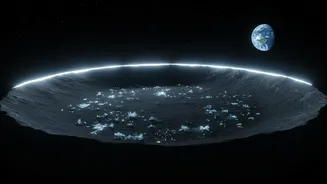
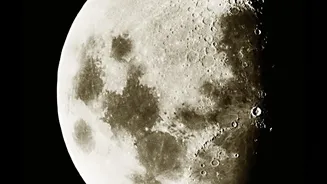
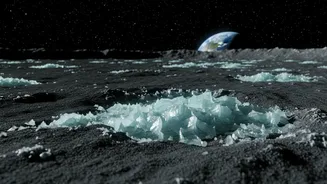
Imagine a place so cold and dark that ice, potentially billions of years old, remains perfectly preserved. These are the Moon's Permanently Shadowed Regions (PSRs), craters near the poles that are tilted away from the Sun, meaning their floors are never
touched by direct sunlight. Temperatures here can plummet to an astonishing -248°C, making them ideal cold traps for water. Recent data, including from India’s own Chandrayaan-2 orbiter, suggests that there isn't just surface frost, but potentially vast quantities of subsurface ice—perhaps five to eight times more than what's on the surface. This frozen water is more than a scientific curiosity; it's considered the most valuable resource in space. If it can be extracted, it can be converted into drinking water, breathable oxygen for astronauts, and most critically, hydrogen and oxygen for rocket propellant. This concept, known as In-Situ Resource Utilization (ISRU), is the key to establishing a long-term human presence on the Moon and beyond, as it would drastically reduce the need to launch heavy supplies from Earth.
The LUPEX Mission: A Joint Endeavor
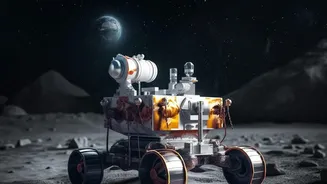
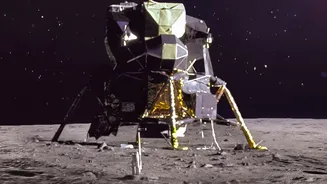
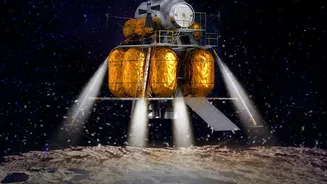
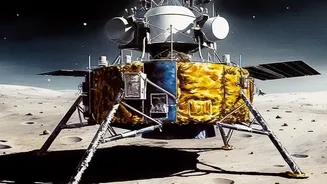
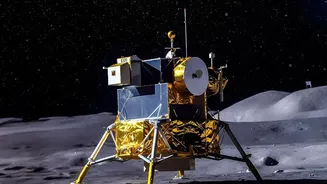
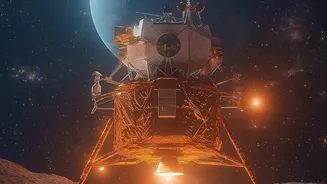
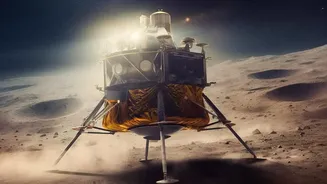
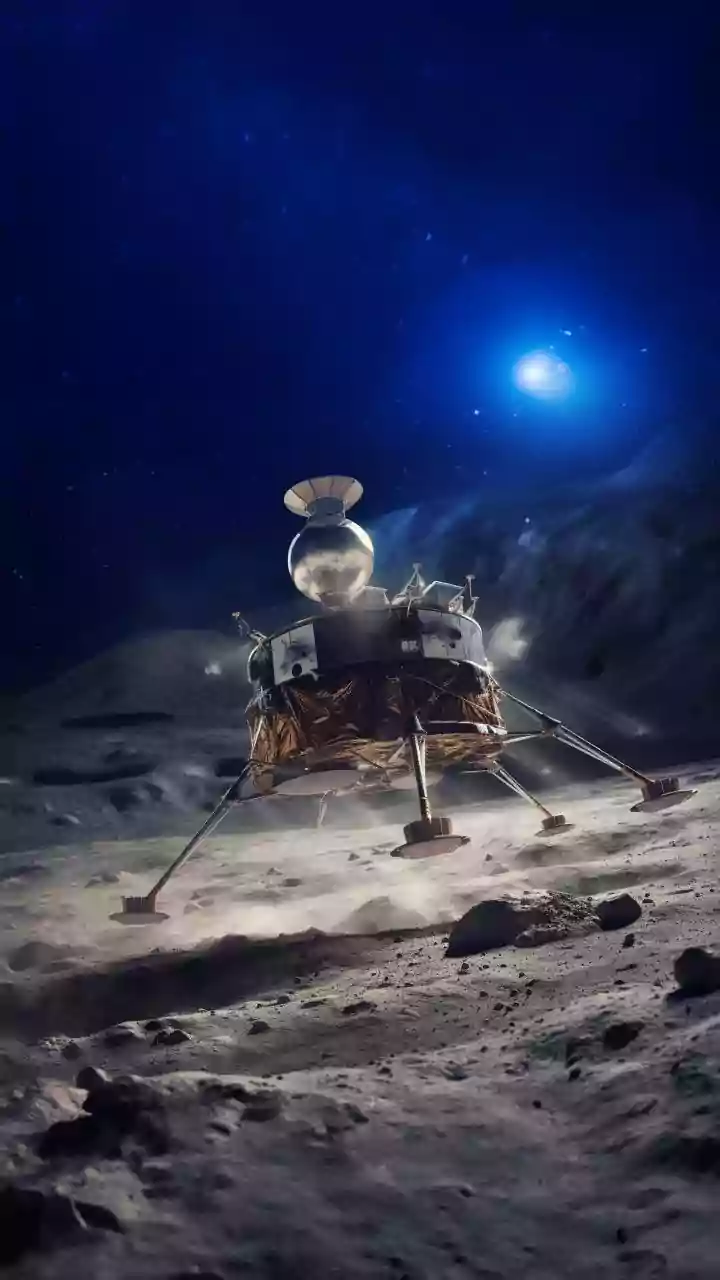
ISRO's plan to investigate this lunar ice is taking shape through the Lunar Polar Exploration Mission, or LUPEX. This is a collaborative effort with the Japan Aerospace Exploration Agency (JAXA), scheduled for no earlier than 2028. The partnership divides the primary responsibilities: ISRO will develop the lander, the vehicle responsible for a soft touchdown on the challenging lunar south pole terrain, while JAXA will provide the H3 launch vehicle and a sophisticated, 350 kg rover designed to operate in the extreme lunar environment. The mission is also an international affair, with NASA contributing a Neutron Spectrometer System to help detect hydrogen (a key sign of water) and instruments from the European Space Agency (ESA) also onboard. The primary goal is to land near a PSR, deploy the rover, and spend over 100 days studying the quantity and quality of water ice present. This mission will build on the legacy of Chandrayaan-3's historic landing, leveraging ISRO's proven expertise in reaching the lunar south pole.
The Technology to Mine the Moon
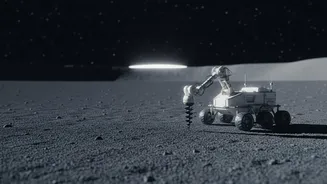
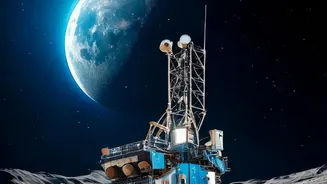
The headline of the LUPEX mission is its ambitious plan not just to detect ice, but to sample it from below the surface. The rover will be equipped with a drill capable of penetrating up to 1.5 meters (about 5 feet) into the lunar regolith to collect subsurface samples. This is crucial because evidence suggests the most significant ice deposits are buried, protected from the harsh space environment. While the exact extraction mechanism is still in development, the process for ISRU generally involves heating the excavated ice-rich soil. In the vacuum of space, the frozen water will turn directly into vapor, a process called sublimation. This water vapor can then be captured and stored in tanks. It's a complex engineering challenge, especially given the power constraints. A rover operating in perpetual darkness cannot rely on solar panels. This means it must carry a robust power source, likely a radioisotope thermoelectric generator (RTG) or an advanced battery system, to power its instruments, wheels, and the energy-intensive drilling and heating process. The design must be incredibly durable to survive the extreme cold and operate with precision in an alien environment.
Pioneering India's Future in Space
The LUPEX mission represents a significant leap in India's space ambitions. Following the successful detection of possible subsurface ice by Chandrayaan-2 and the landmark landing of Chandrayaan-3, this next phase moves from exploration to utilization. By developing the technology to land near and extract lunar water, ISRO is positioning India as a central player in the next era of space exploration. Successfully demonstrating ISRU capabilities would not only be a monumental scientific achievement but also a strategic one. The nations that can unlock the Moon's resources will lead the development of the cislunar economy, enabling everything from lunar bases to refueling stations for missions to Mars. This mission is a crucial stepping stone, aligning with global efforts like the Artemis Accords, which India has signed, to create a sustainable and permanent human presence on the Moon. The data gathered and technologies proven by LUPEX will be invaluable, paving the way for even more ambitious projects, including potential sample return missions and, eventually, human exploration.