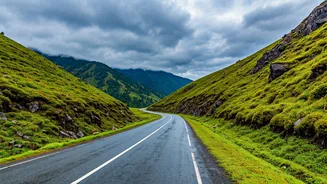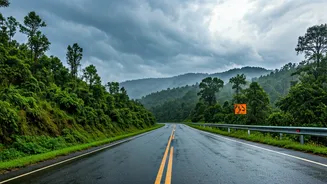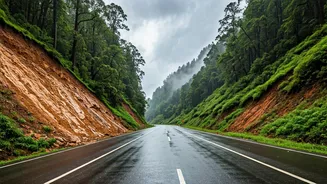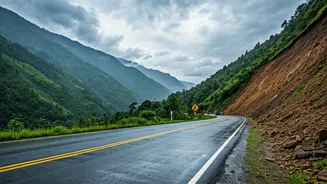








What is Responsible Planning?
Forget fleeting visits and packed itineraries. Responsible planning is about making conscious choices that honour the local environment, culture, and economy. It’s a move away from extractive tourism towards a more immersive and respectful way of exploring.
This means travellers are increasingly prioritising longer stays in one place, choosing community-run homestays over large hotels, and seeking authentic experiences that foster genuine connection. The goal is to leave a place as good as, or better than, you found it. This trend is driven by a desire for more meaningful journeys, where the focus is on understanding the destination's soul, not just ticking off a checklist of popular spots. States like Mizoram and Meghalaya are emerging as models for this approach, promoting low-impact travel that supports local livelihoods.
The Post-Pandemic Shift in Priorities
The global pause during the pandemic prompted a profound recalibration of what people seek from travel. Crowded tourist traps lost their allure, replaced by a yearning for open spaces, slower paces, and meaningful connections. Northeast India, with its vast, under-explored landscapes, became an ideal destination for this new mindset. Travellers are now more aware of their impact and are actively seeking to support local economies that were hit hard by travel restrictions. This has translated into a preference for destinations that offer solitude and a deeper engagement with nature and community, values that the Northeast offers in abundance. The conversation has shifted from 'what can I get from this place?' to 'how can I contribute positively to it?'.
Community and Culture at the Core
A key pillar of this new travel mode is the rise of community-based tourism. Instead of staying in generic hotels, travellers are opting for homestays where they can experience local life firsthand, share meals with a family, and learn about their traditions. This model ensures that tourism revenue flows directly into the hands of local households, empowering communities and giving them a stake in preserving their cultural and natural heritage. States across the region have updated their tourism policies to actively encourage homestays and community-led initiatives. This approach fosters a more authentic exchange; travellers gain a rich, personal insight into the culture, while hosts are able to share their world on their own terms, preserving the dignity and integrity of their traditions.
Treading Lightly on Fragile Ecosystems
The Northeast is a biodiversity hotspot, with fragile ecosystems that are vulnerable to the pressures of mass tourism. Increased footfall in popular areas has raised concerns about issues like plastic waste and environmental degradation. In response, responsible travellers and local organisations are championing practices to minimise their ecological footprint. This includes carrying reusable water bottles, avoiding single-use plastics, staying on marked trails during treks, and respecting wildlife from a distance. Several states, including Sikkim and Meghalaya, have implemented sustainability-focused policies, and grassroots efforts for waste management and conservation are gaining momentum. The message is clear: the breathtaking landscapes are a privilege to experience, not a resource to be consumed.
How to Plan a Responsible Northeast Trip
Embracing this travel ethos is easier than you think. Start by researching and choosing tour operators who prioritise sustainability and work with local communities. When booking accommodation, look for certified homestays or eco-lodges. Before you go, read up on local customs and dress codes, especially when visiting monasteries or sacred sites. Learn a few basic greetings in the local language; it’s a small gesture that goes a long way. Always ask for permission before taking photographs of people. Pack light and carry a reusable water bottle to reduce plastic waste. Finally, get your permits in order. States like Arunachal Pradesh, Nagaland, and Mizoram require an Inner Line Permit (ILP) for domestic tourists, so plan this in advance to ensure a smooth journey.