
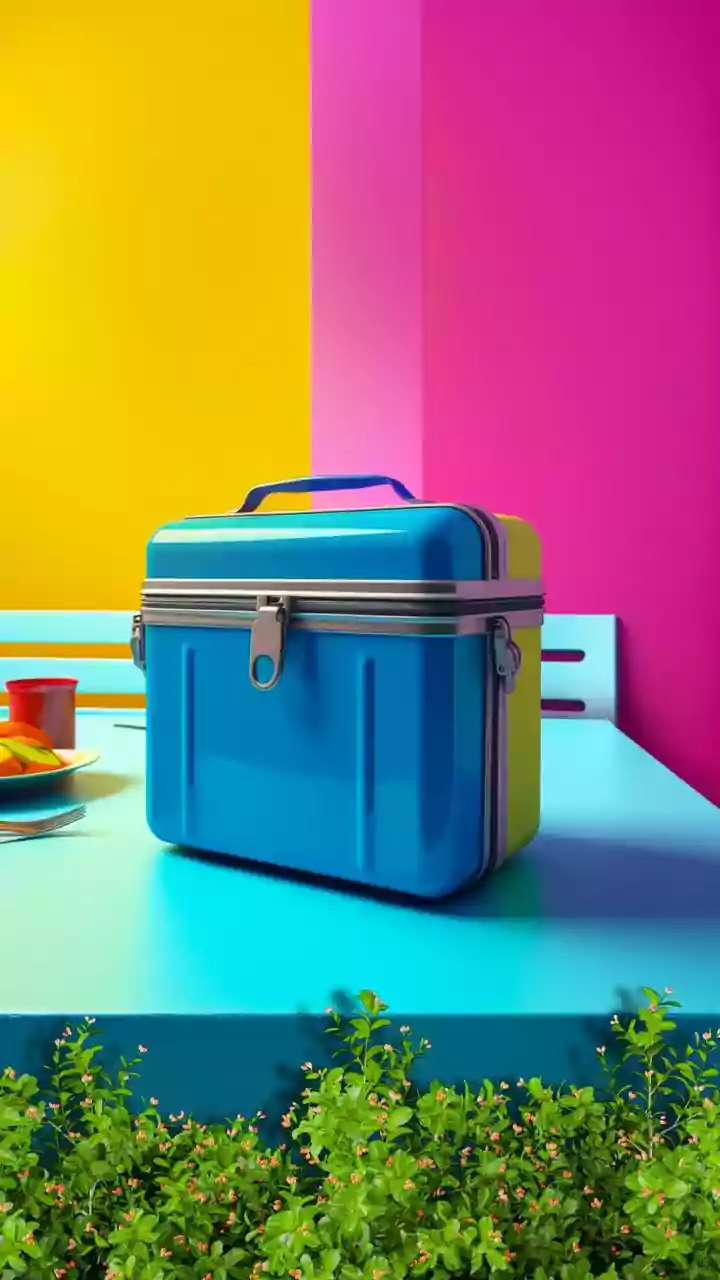




The Evolution of the Tiffin
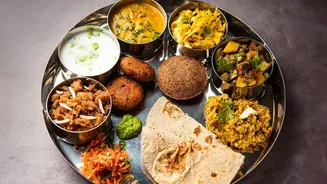
For generations, the stacked, stainless-steel tiffin has been an icon of Indian work culture. Associated with home-cooked meals delivered by the legendary dabbawalas of Mumbai or packed with care at home, it represented a warm, substantial lunch. However,
the traditional design often meant that by lunchtime, gravies, rotis, and rice would have mingled, creating a homogenous, if comforting, meal. As work culture evolves, with longer commutes and a greater emphasis on desk lunches, the limitations of the classic design have become more apparent. This has paved the way for a new contender in the workplace lunch scene.
Enter the Bento Box
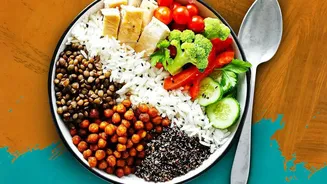
The bento box is a Japanese tradition, a single-portion meal packed with a variety of items in a compartmentalized container. The philosophy behind it is balance and aesthetics—providing a visually appealing and nutritionally complete meal. Typically, a bento includes a carbohydrate like rice or noodles, a protein, and a colourful assortment of pickled or cooked vegetables. This concept of keeping foods separate and controlling portions has struck a chord with modern consumers globally, and its popularity is now surging in India.
The Indian Bento Makeover
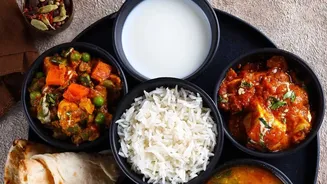
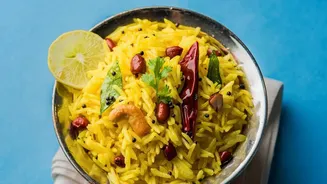
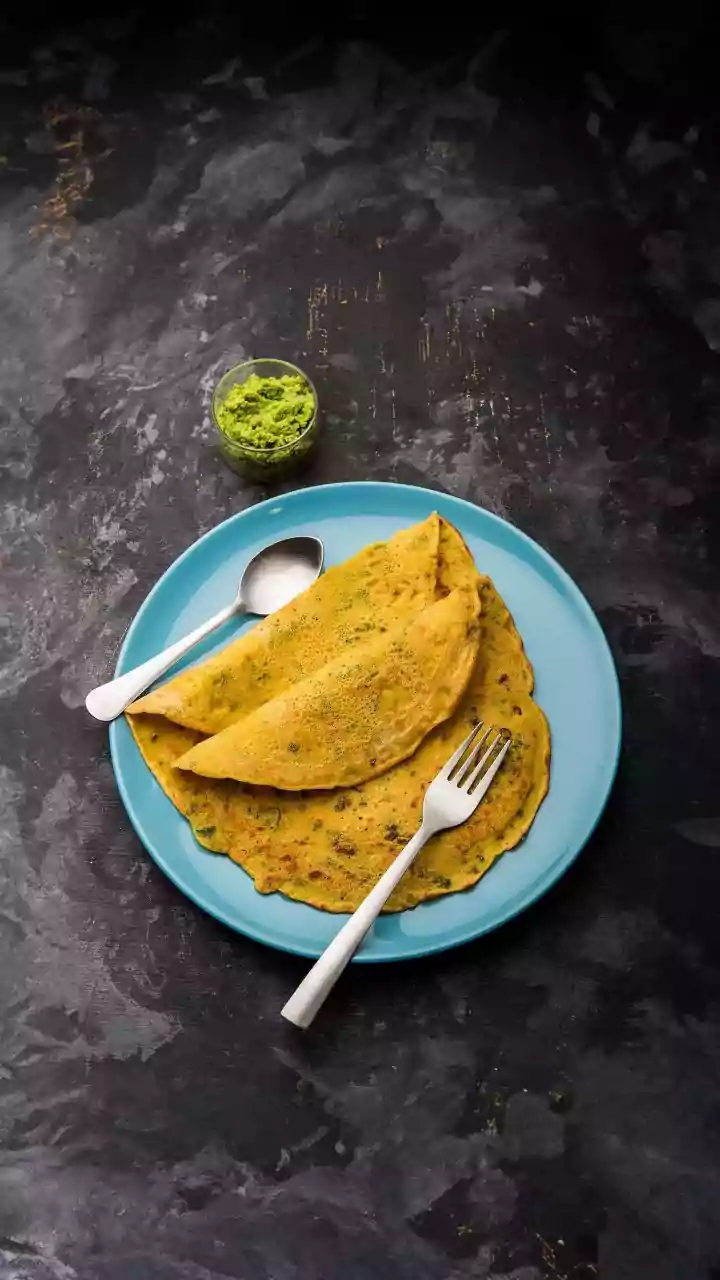
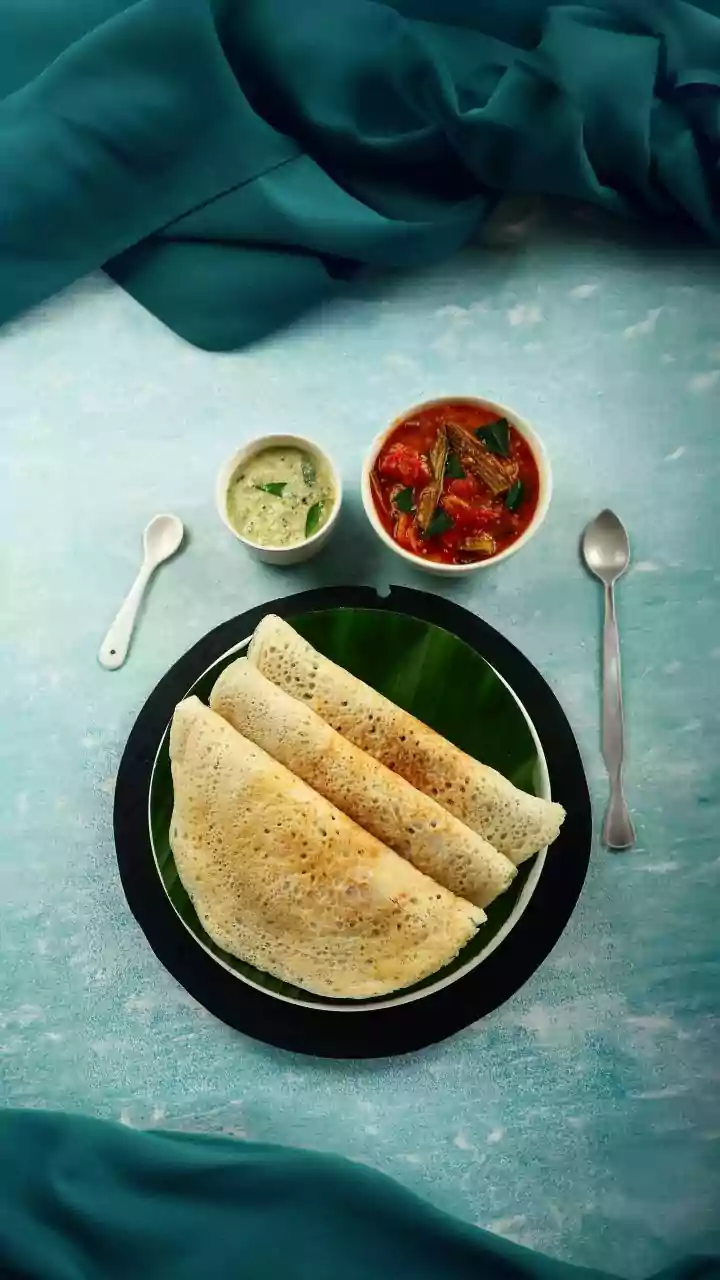
The real magic lies in how Indian cuisine is being adapted to the bento format. The compartments are perfectly suited to the multi-component nature of an Indian meal. Imagine a box with fragrant vegetable pulao in the largest section, a portion of paneer tikka or chana masala in another, a cooling cucumber raita in a third, and a small section for a fresh salad or sliced fruit. This allows for a mini-thali experience at one's desk, where every flavour remains distinct. Food bloggers and home cooks are showcasing endless creativity, packing everything from mini aloo parathas with yoghurt to millet salads, dry sabzis, and even roti rolls cut like sushi. This fusion keeps the soul of Indian food while embracing a modern, practical form.
Why Now? The Drivers of the Trend
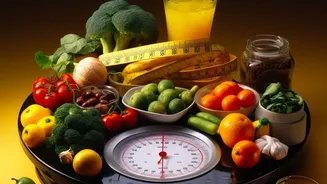
Several factors are driving this shift. Health and wellness are major contributors. The built-in compartments encourage portion control, helping individuals manage their intake of carbs, proteins, and vegetables without actively counting calories. Secondly, there's the aesthetic appeal. In the age of social media, a colourful, well-organized bento box is far more 'Instagrammable' than a traditional tiffin. But beyond vanity, this visual organization encourages mindful eating. Finally, there's the desire for variety. A bento-style lunch breaks the monotony of a single-dish meal, offering a more engaging and satisfying lunch experience during a busy workday.
More Than Just a Lunchbox
The adoption of the bento box is more than just a food trend; it reflects a broader cultural shift. It speaks to a generation of office-goers who are globally aware and seek to integrate international concepts into their daily lives in a way that feels authentic. It also represents a form of self-care—taking the time to prepare and pack a meal that is both nourishing and delightful is a small act of wellness in a hectic professional life. The container itself has changed, from the round steel dabba to sleek, multi-compartment boxes, but the core idea of carrying a piece of home to work remains as strong as ever.