



Rethink the Obvious
It’s a common assumption that large art requires a large wall. While it seems logical to match scale for scale, interior designers often advise a more strategic approach. Placing a significant artwork on the most expansive wall can sometimes have the opposite
of the intended effect; instead of creating a dramatic focal point, the piece can feel diminished or adrift in a sea of empty space. The goal is to make the art command attention, not just fill a void. A truly impactful placement considers the room as a whole, directing the eye and creating a deliberate design statement. Sometimes, that means choosing a wall that provides tension, drama, and focus rather than just sheer size.
Create a True Focal Point
The purpose of a statement art piece is to create a focal point—a spot that immediately draws the eye and sets the tone for the entire space. The ideal location for this is often the first wall you see when entering a room. This creates an instant visual anchor and a powerful first impression. Instead of defaulting to the largest wall, which might be off to the side or less central, consider which wall serves as the natural destination for a visitor's gaze. By placing your art there, you are not just decorating a wall; you are choreographing the experience of the room.
Use Art to Anchor a Zone
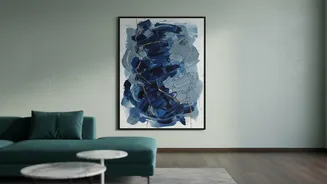
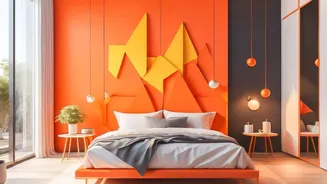
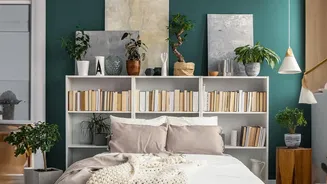
Large art is incredibly effective at defining or anchoring a specific zone within a larger room. Think of the wall space above a sofa, a bed's headboard, a dining room sideboard, or a fireplace mantel. Hanging a substantial piece of art in these locations visually connects it to the furniture below, creating a cohesive and intentional vignette. A general rule of thumb is to choose an artwork that is about two-thirds to three-quarters the width of the furniture it hangs above. This creates a pleasing sense of balance. There should be a gap of about 6 to 12 inches between the top of the furniture and the bottom of the art to give both elements breathing room while keeping them connected.
The Power of the 'Slightly Too Small' Wall
This is where designers create real magic. Placing a large piece of art on a wall that is only slightly wider than the artwork itself can create incredible drama. This technique, known as creating negative space, forces the art to dominate the wall, making it feel even more significant and powerful. The tight fit amplifies its presence, turning a simple wall into a gallery-like feature. This is particularly effective at the end of a hallway, where the art acts as a compelling destination, drawing you through the space. It can also transform a smaller room, making it feel more expansive by adding a sense of depth and grandeur.
Think Beyond the Living Room
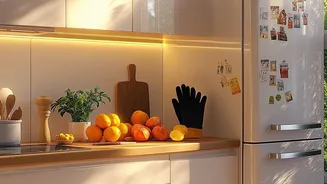
Don’t confine your large art to the living room or bedroom. Unexpected placements can create surprising and memorable design moments. An oversized piece in an entryway makes a bold statement the moment someone walks through the door. A large canvas in a dining room can serve as a captivating conversation starter during meals. Even a spacious bathroom or a well-lit kitchen can be transformed by the introduction of a substantial piece of art, adding a layer of sophistication and personality where it's least expected. The key is to consider sightlines from other rooms and how the piece contributes to the overall flow and feeling of your home.