
The New 9-to-5 Uniform
The post-pandemic era has fundamentally reshaped India's work culture, and wardrobes have changed to match. With hybrid models and more relaxed office environments becoming the norm, the strict dress codes of the past are dissolving. Tech and startup
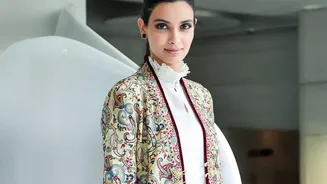
sectors, in particular, have championed a 'smart casual' aesthetic, where the line between professional and personal style is beautifully blurred. This isn't about being less professional; it's about a new definition of power dressing. Think relaxed-fit blazers in breathable fabrics, tailored wide-leg trousers that offer comfort without sacrificing structure, and elegant kurtas that look just as appropriate in a boardroom as they do at a family dinner. The focus has shifted from rigid formality to clothes that convey confidence and adaptability.
Smarter Economics and Conscious Choices
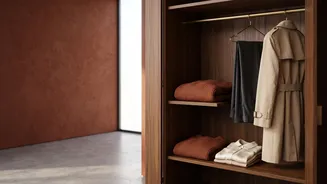
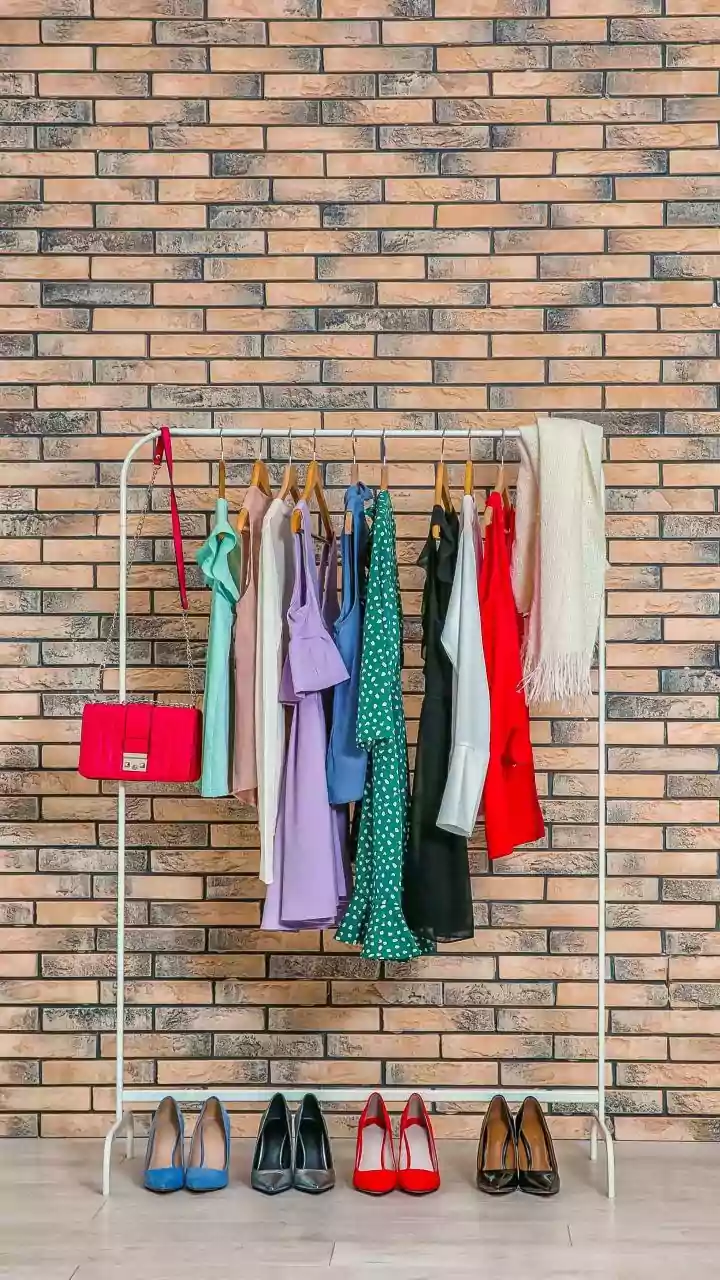
Today’s shopper is more discerning than ever, seeking pieces that offer both style and substance. There's a growing movement towards building a 'timeless wardrobe' with high-quality essentials rather than chasing fleeting trends. This conscious consumerism is driven by a desire for value; shoppers are investing in well-made garments that promise longevity and repeat wearability. The idea is simple: a single, beautifully crafted dress that works for a client meeting on Tuesday and a brunch on Saturday is a smarter investment than two separate, occasion-specific outfits. This mindset also aligns with a rising interest in sustainability. By choosing versatile pieces, consumers are implicitly rejecting the wastefulness of fast fashion and building a more thoughtful, enduring relationship with their clothes.
A Wardrobe for a Life in Motion
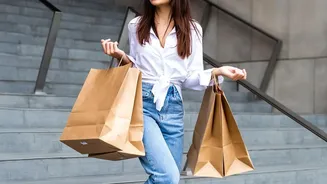
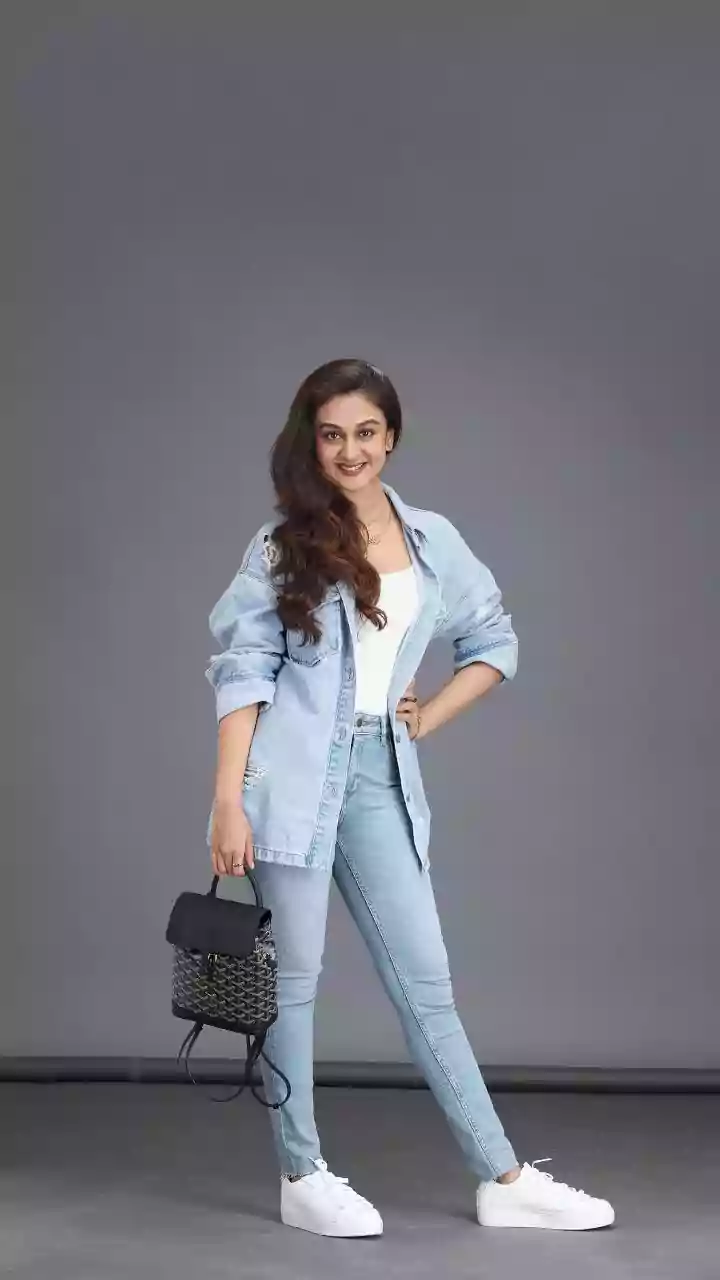
Modern life rarely happens in neat, separate boxes. A typical day can blend professional deadlines with personal appointments and social engagements. This fluid lifestyle demands a wardrobe to match. Indian women, in particular, are juggling multiple roles, and they need fashion that can keep pace. The perfect outfit is one that transitions seamlessly through the day's different acts. A chic co-ord set can be styled with formal footwear for the office and then dressed down with sneakers for an evening stroll. A classic linen shirt works under a blazer for a presentation and on its own with jeans for a casual outing. This need for adaptability has made versatility a non-negotiable feature for many shoppers.
The Versatility of Indian Wear
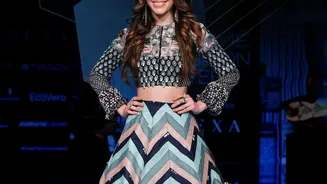
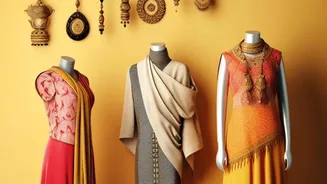
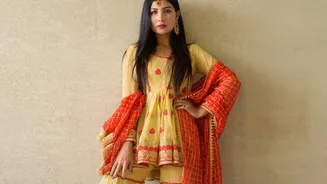
Indian ethnic and fusion wear is uniquely positioned to meet this demand for adaptable fashion. Designers and brands are reinterpreting traditional silhouettes for the modern consumer. Hand-block printed kurtas in breathable cotton, structured jackets, and even lightweight sarees are being designed to be styled in multiple ways. A short kurta, for example, can be paired with formal trousers for a 'Modern Indian' work look or with jeans for a relaxed weekend vibe. Brands like Fabindia and Allen Solly have long understood this, offering collections that celebrate Indian textiles in contemporary, easy-to-wear styles that fit a variety of occasions. This fusion of traditional aesthetics with modern functionality is proving to be a winning formula.
Brands Are Listening
The fashion industry has taken note of this significant shift in consumer behaviour. A new wave of homegrown Indian labels is emerging, built on the very principle of versatile, trans-seasonal clothing. Brands like Qua, Perona, and The Label Life are creating pieces specifically designed for a '9-to-9' lifestyle, from elegant dresses to tailored separates that move from desk to dinner. They focus on quality fabrics, clean silhouettes, and thoughtful details that ensure the clothes are not just stylish but also practical for a long day. By abolishing the distinction between workwear and premium casuals, these brands are empowering Indian shoppers to build a wardrobe that is truly reflective of their multifaceted lives.