





Why 'Seasonal' Isn't a National Calendar
India's six distinct climate zones and three main growing seasons (Kharif, Rabi, and Zaid) mean there is no single, nationwide produce calendar. What grows in the cool winters of North India, like sarson (mustard greens) and carrots, is very different
from the produce that thrives in the humid, temperate winters of the South, such as broad beans and beetroot. The monsoon (Kharif) season brings an abundance of gourds like lauki and karela across the country, but regional specialities also appear, like the rugda mushroom in Jharkhand or arbi leaves in the north. Thinking 'regional' first, and 'seasonal' second, is the most accurate way to approach your vegetable shopping. What is locally abundant is what is truly in season for you.
The Taste and Nutrition Advantage
The primary benefit of eating regionally seasonal produce is superior flavour and nutrition. Vegetables that are picked at their peak of ripeness, and haven't travelled long distances, simply taste better. They are fresher, crisper, and more flavourful. More importantly, their nutritional value is higher. Produce begins to lose nutrients, including essential vitamins like Vitamin C and folate, as soon as it is harvested. Food that travels thousands of kilometres, often picked prematurely and ripened artificially, has significantly less nutritional density than the same vegetable bought from a local farmer who picked it that morning.
Good for Your Wallet, Good for Farmers
Following the local harvest cycle has significant economic advantages. When a vegetable is in season, it is naturally abundant, which drives down its price. Notice how tomato prices fluctuate wildly, or how cheap green peas become in the winter? That’s seasonal economics at play. By purchasing what is plentiful, you save money. Furthermore, buying local produce directly supports the farmers and small vendors in your community. It strengthens the local economy and reduces the carbon footprint associated with long-distance food transportation and cold storage.
A Glimpse into Regional Baskets
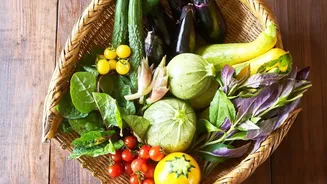
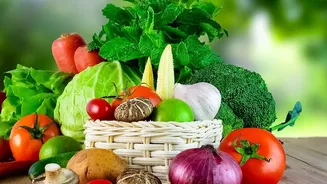
To illustrate the diversity, consider the peak seasons. Summer (March-June) in North India means a focus on heat-tolerant vegetables like gourds (lauki, turai), bhindi (okra), and brinjal. Meanwhile, the monsoon (July-September) is the prime time for planting beans, corn, and cucumbers across many parts of the country. Winter (October-February) is when the differences are most stark. The North enjoys a bounty of leafy greens like spinach, methi (fenugreek), and bathua, alongside root vegetables like carrots and radishes. In the South, winter is milder, making it ideal for growing tomatoes, cabbage, beans, and chillies.
How to Find Your Local Season
So, how do you determine what's truly in season where you live? The answer doesn't lie in a supermarket flyer, but in your local sabzi mandi. The simplest method is to observe what vendors have in abundance. Large piles of a single vegetable, sold at a competitive price, are a sure sign it's at its peak. Talk to your vegetable vendor. They are experts in the local supply chain and can tell you what’s fresh, local, and at its best. Another tip is to look for vegetables that appear fresh and vibrant, not wilted or dull from long storage. Snapping a bean or examining the stem of a leafy green can tell you a lot about its journey from the farm to you.