


The Soul of the South: What Defines Keralan Food?
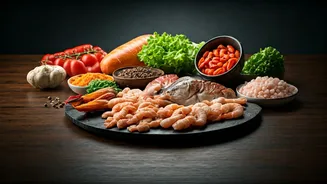
Nestled on India's southwestern Malabar Coast, Kerala's cuisine is a direct reflection of its geography. [3, 7] With a long coastline, abundant backwaters, and lush landscapes, the core ingredients are fresh, local, and flavourful. [9, 19] Coconut is the undisputed
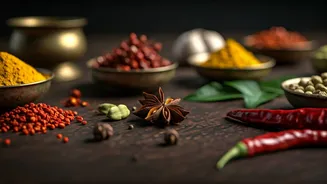
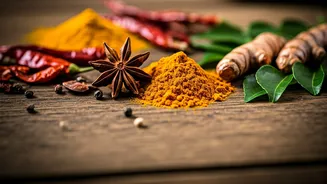
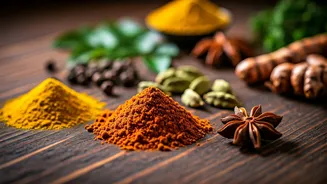
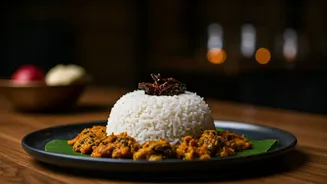
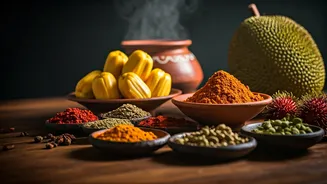
hero, used in nearly every form imaginable—grated, roasted, pressed for milk, and as oil—lending a creamy, fragrant base to many dishes that is distinctly different from the ghee or cream-heavy cuisines of the north. [6] Rice, particularly the nutty local red Matta rice, is the staple grain, forming the heart of meals from breakfast to dinner. [3, 6] And, of course, as the historical 'Land of Spices', the cuisine is perfumed with black pepper, cardamom, cloves, cinnamon, and the essential fresh curry leaves. [3, 7]
A Symphony of Flavours and Iconic Dishes
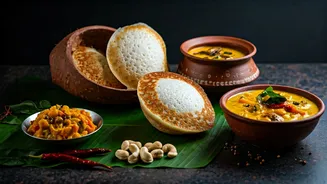
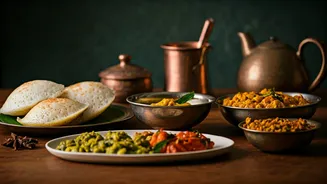
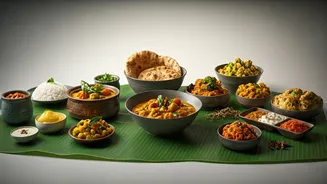
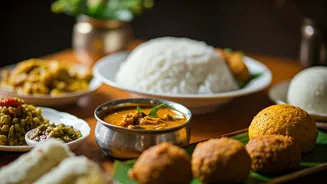
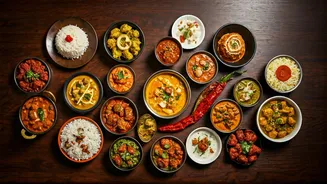
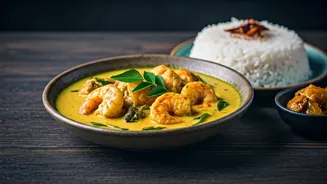
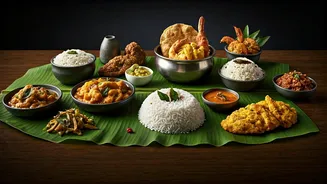
Keralan cuisine is a masterful blend of spicy, sour, and savoury notes, often with a subtle sweetness from coconut. A quintessential example is the Kerala Fish Curry or *Meen Curry*, which gets its characteristic tang from *kodampuli* (Malabar tamarind) and is balanced by creamy coconut milk. [4] Seafood is a major star, with dishes like *Karimeen Pollichathu* (pearl spot fish marinated in spices, wrapped in a banana leaf and grilled) being a celebrated delicacy. [4, 11] No discussion of Keralan food is complete without mentioning the *Sadya*, a magnificent vegetarian feast served on a banana leaf with over 20 different dishes, including *sambar*, *avial* (mixed vegetables in a coconut-yogurt base), and *thoran* (stir-fried vegetables with grated coconut). [3, 4] For breakfast, options like *Appam* (a soft, lacy rice pancake) served with a mild stew, and *Puttu* (steamed rice cylinders) with *kadala* curry, are beloved staples. [4, 11]
More Than a Monolith: A Cuisine of Diversity
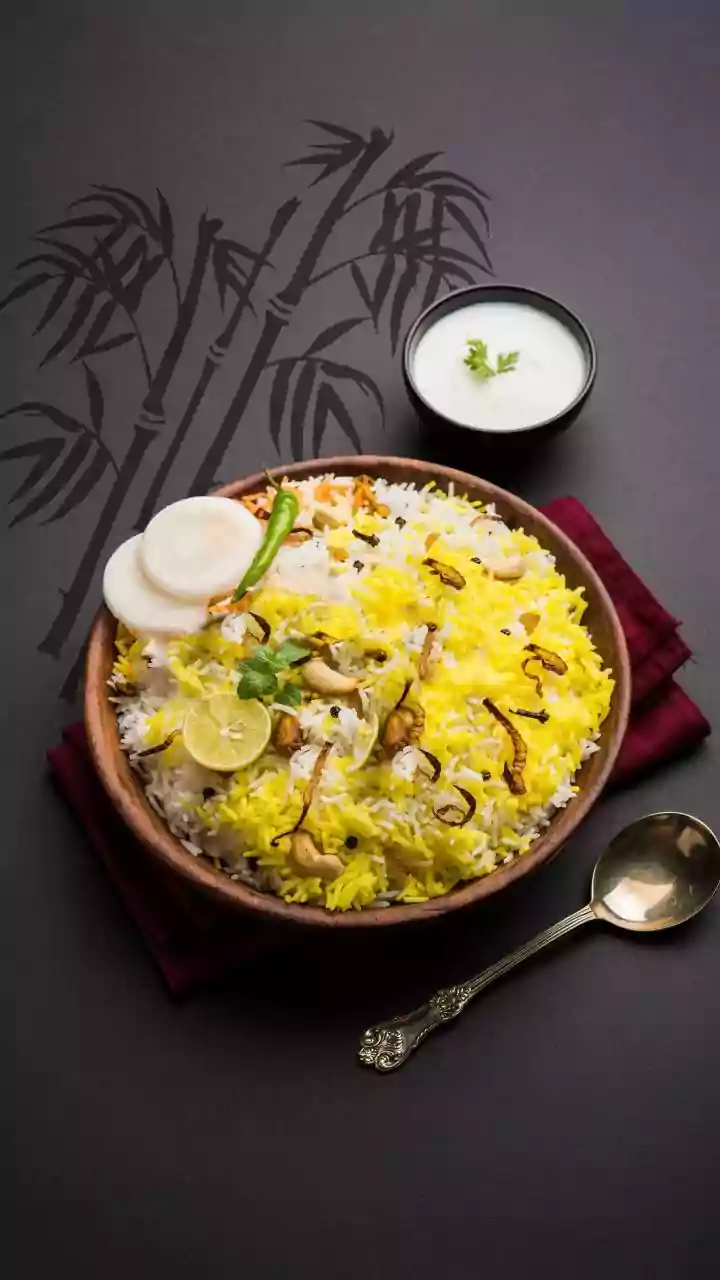
Just as Keralan food challenges the notion of a single 'Indian curry', the cuisine itself is incredibly diverse. It’s a melting pot of cultures, with centuries of trade and migration leaving their mark. [5, 12, 19] The Mappila (or Malabar Muslim) cuisine, for example, shows a blend of Arab, Persian, and local traditions, famed for its aromatic Thalassery Biryani which uses a unique, short-grained rice. [5, 24] Syrian Christian cuisine, on the other hand, features iconic dishes like duck roast and rich meat stews, often eaten with appams, showcasing influences from Portuguese and Dutch traders who introduced ingredients like pork and new preservation techniques. [5, 17, 19] This internal diversity, with each community and region having its own specialities, adds incredible depth to the state's culinary identity. [22]
Why is Keralan Cuisine Trending Now?
Several factors are contributing to the rising popularity of Keralan food. There is a growing appreciation across India for regional authenticity, with food lovers actively seeking experiences beyond the usual butter chicken and naan. [13] Social media and food bloggers have played a huge role, with the visual appeal of a colourful *Sadya* on a banana leaf making for highly shareable content. [13] Increased tourism to Kerala has also exposed a wider audience to its culinary treasures. [17] Furthermore, as health and wellness become a priority, the cuisine's emphasis on fresh ingredients, lighter coconut-based gravies, and fermented foods like appam and dosa is attracting health-conscious consumers. [6, 13] Global culinary reports have even started singling out Keralan cuisine as a breakout trend to watch, signifying its arrival on the world stage. [23]