




More Than a Fleeting Trend
After years of fast fashion's dominance, a significant shift is underway. Consumers, particularly younger generations, are seeking authenticity and sustainability in their clothing choices. This isn't just about nostalgia; it's a move towards 'slow fashion'—valuing
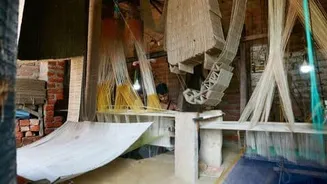
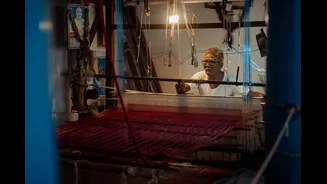
craftsmanship, quality, and the stories behind the clothes we wear. The current handloom revival is rooted in this desire for meaningful consumption. It represents a stand against the environmental waste and uniformity of mass production, championing fabrics that are made by hand, have a minimal carbon footprint, and are designed to last for generations.
The Fabric Stars of the Revival
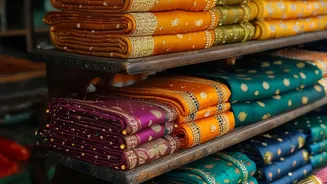
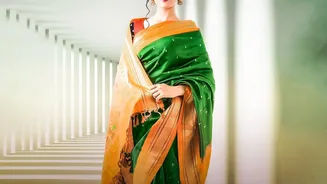
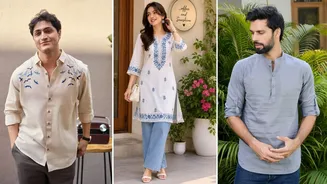
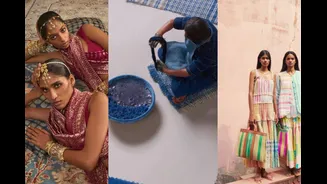
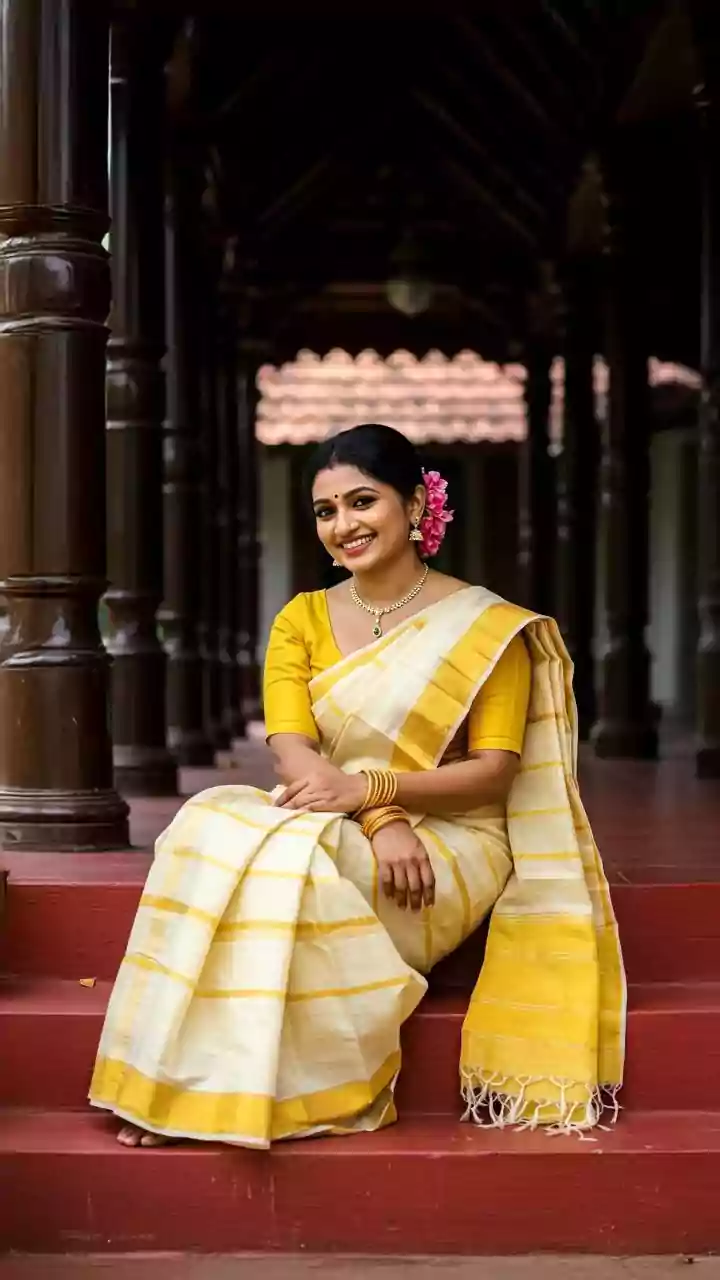
At the heart of this movement are the textiles themselves, each with a unique identity. Chanderi, known for its lightness and sheer texture, is being fashioned into modern kurtas and chic Indo-Western styles. Ikat, with its characteristically blurry patterns, is appearing in everything from jumpsuits to sharp jackets. Banarasi silk, once reserved for magnificent wedding sarees, is being reinterpreted into contemporary dresses, co-ord sets, and even handbags. And Khadi, the hand-spun and hand-woven fabric synonymous with India's self-reliance, is being embraced for its versatility and comfort in everything from shirts to dresses. These fabrics are no longer just for special occasions; they are becoming staples of modern luxury.
Designers and Digital Looms
India's leading designers have played a pivotal role in this resurgence. Figures like Ritu Kumar and Sabyasachi Mukherjee, along with a new generation of brands, have been instrumental in reinterpreting traditional weaves for contemporary tastes. They are collaborating directly with weaving clusters, ensuring fair wages and preserving heritage techniques while creating market-ready collections. This revival is also being powered by technology. Social media platforms like Instagram have become virtual marketplaces, allowing weavers to connect directly with customers, tell their stories, and showcase their craftsmanship to a global audience. This digital bridge bypasses traditional intermediaries, empowering artisans and making these beautiful textiles more accessible than ever.
Weaving Handloom into Your Wardrobe
Incorporating handloom into a modern wardrobe is easier than one might think. The key is to blend traditional pieces with contemporary silhouettes. A handwoven silk dupatta can elevate a simple jeans and t-shirt combination. An Ikat blazer can add a touch of artisanal flair to workwear. A comfortable handloom linen dress is perfect for a casual day out. Start with one or two versatile pieces. Look for the Handloom Mark, a government certification that guarantees authenticity. By choosing handloom, you're not just buying a piece of clothing; you're investing in a piece of art, supporting a weaver's livelihood, and preserving a rich cultural heritage.