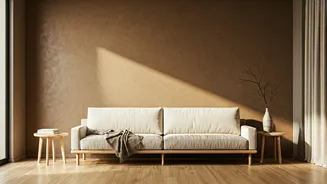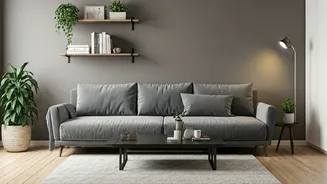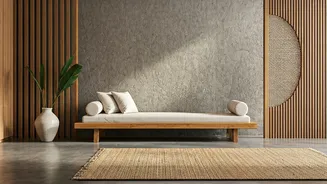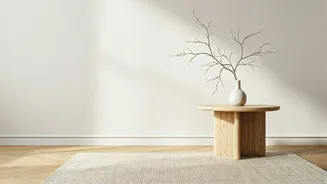






From Maximalist to Minimalist
For generations, the Indian aesthetic has been rooted in a glorious maximalism. Homes were living galleries, filled with inherited brass statues, intricately carved wooden furniture, hand-woven silks, and a kaleidoscope of colors that reflected the country's
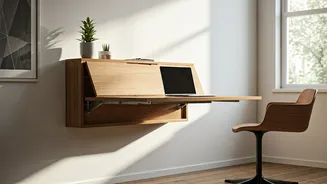
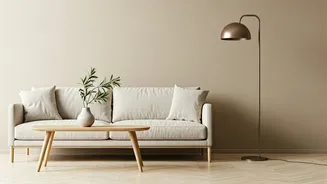
diverse and vibrant culture. More was, quite simply, more. This wasn't about clutter; it was about a richness of history, spirituality, and family, expressed through layers of beautiful objects. Today, particularly in India's booming metropolitan centers like Mumbai, Bengaluru, and Delhi, a quiet revolution is underway. A growing number of homeowners and designers are embracing a philosophy that seems, at first, antithetical: less is more. They are trading crowded spaces for clean lines, heavy drapery for natural light, and a multitude of objects for a few, carefully chosen pieces.
The Urban Squeeze and the Search for Calm
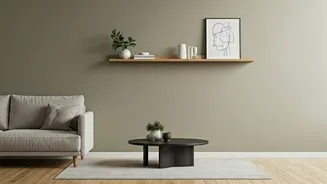
Much of this shift is born from practicality. As millions move to cities for opportunities, urban living spaces have shrunk. The sprawling family homes of the past are being replaced by compact high-rise apartments where space is the ultimate luxury. A maximalist approach in a 900-square-foot apartment can quickly feel chaotic and claustrophobic. Minimalism, with its focus on functionality and uncluttered surfaces, isn't just an aesthetic choice—it's a pragmatic solution to the challenges of modern urban life. Beyond the physical constraints, there's a psychological driver. The frenetic pace of city life in India—the traffic, the noise, the constant sensory overload—has created a deep yearning for a sanctuary. Home is no longer just a place to live, but a space to retreat, recharge, and find mental clarity. A minimalist interior, with its calming palettes and sense of order, provides a visual and mental antidote to the chaos outside.
A Global Aesthetic with a Local Soul
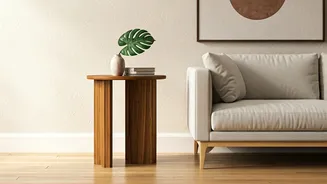
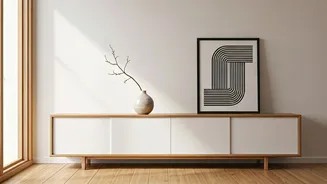
This isn't just a blind imitation of Scandinavian or Japanese design, though the influence of global trends is undeniable. A younger generation of Indians, exposed to international culture through travel and the internet, is fluent in the language of 'hygge' and 'wabi-sabi.' They appreciate the clean, functional beauty of global minimalism. However, they are not abandoning their heritage; they are curating it. This new style is often called 'India Modern.' It's a sophisticated fusion that asks what is truly essential. Instead of ten small decorative items, it might feature one stunning, large-scale piece of indigenous art. Instead of heavy, dark wood furniture everywhere, it might use locally sourced teak or cane for a single, beautifully crafted statement chair or screen. The soul of the home remains distinctly Indian, but its expression is contemporary and refined.
Celebrating Craftsmanship Over Clutter
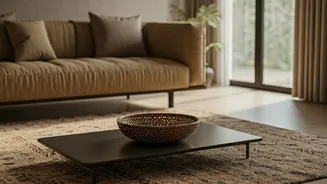
Perhaps the most compelling aspect of Indian minimalism is its deep respect for craftsmanship. This is not the cold, sterile minimalism sometimes seen in the West. It is warm, tactile, and deeply human. In shedding mass-produced clutter, homeowners are making space for items that tell a story. This could be a hand-knotted rug from Kashmir, a set of terrazzo floor tiles handmade in Jaipur, or a single bronze 'diya' (oil lamp) passed down through generations. The focus shifts from quantity to quality. It’s about celebrating the texture of raw silk, the grain of reclaimed wood, and the imperfect beauty of a hand-thrown ceramic pot. By giving these objects breathing room, their artistry is amplified. This approach honors India's rich legacy of artisanal skill, ensuring that traditional crafts have a central place in the modern home, not as relics of the past, but as timeless works of art.