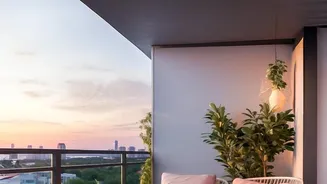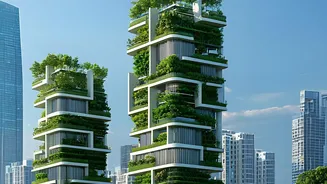







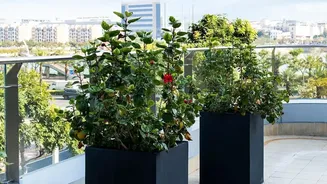

For apartment dwellers in bustling Indian metros, the dream of a lush garden often clashes with the reality of a compact balcony. But a clever solution is taking root: vertical gardening, a technique that transforms underused walls into vibrant green
spaces.
More Green, Less Ground
The single biggest advantage of a vertical garden is its incredible space efficiency. In a typical metro apartment, floor space is a precious commodity. Traditional pots and planters can quickly clutter a small balcony, leaving little room for anything else. Vertical systems solve this problem by taking the garden upwards. By using walls, railings, and vertical structures, you can cultivate dozens of plants in a footprint that might otherwise only hold one or two pots. This method effectively multiplies your growing area, turning previously ignored vertical surfaces into productive and beautiful canvases for greenery. It’s a strategic approach that allows urban residents to enjoy a bountiful garden without sacrificing valuable living space.
An Urban Oasis for Well-being
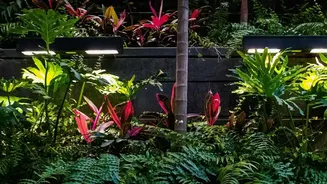
Beyond saving space, vertical gardens dramatically enhance the aesthetic of a home. A wall draped in cascading ferns, colourful flowers, or fresh herbs becomes a living piece of art, adding texture and vibrancy that paint or decor cannot replicate. This infusion of nature offers significant well-being benefits. Plants are known to improve air quality by absorbing pollutants and releasing oxygen. A green wall can also help to reduce ambient noise and mitigate the urban heat island effect, creating a cooler and more peaceful micro-environment on your balcony. This personal green sanctuary provides a welcome escape from the concrete jungle, offering a calming space to unwind and connect with nature.
Choosing Your Vertical System
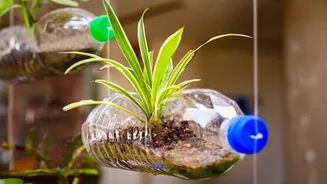
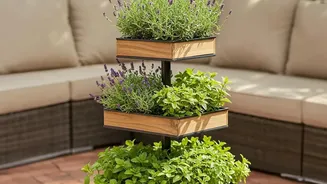
There are several types of vertical gardening systems to suit different balconies and budgets. Wall-mounted pocket planters, made of felt or fabric, are a popular and flexible option for growing smaller plants like herbs and flowers. Modular systems with interlocking panels create a more structured 'living wall' effect. For those who can't drill into walls, freestanding tiered planters or ladder-style shelves offer a great alternative, allowing you to stack plants vertically in a corner. Another approach is using trellises to support climbing plants, creating a natural green facade. Hydroponic towers, which grow plants in nutrient-rich water instead of soil, are a high-efficiency option perfect for growing leafy greens.
The Right Plants for Indian Balconies
Choosing the right plants is crucial for a thriving vertical garden, especially considering India's diverse climates. The amount of sunlight your balcony receives is the most important factor. For sunndrenched balconies, heat‐tolerant species like Dwarf Bougainvillea, Portulaca, and Vinca (Sadabahar) are excellent choices. For shadier, north‐facing balconies, plants like Money Plant (Pothos), Philodendron, Syngonium, and various ferns will flourish. Many herbs, such as cilantro, mint, and basil, also do well in vertical set‐ups and provide the added benefit of being kitchen‐ready. Climbing plants like Morning Glory and Rangoon Creeper are perfect for trellises, quickly covering a space with beautiful blooms.
Simplified Care and Maintenance
Vertical gardens can often be easier to maintain than traditional ones. With plants at eye level or within easy reach, tasks like watering, pruning, and checking for pests become much simpler, eliminating the need to bend or crouch. Improved air circulation around the plants can also help prevent the spread of fungal diseases. Many modular and hydroponic systems come with integrated irrigation, which automates watering and ensures plants get a consistent supply of moisture. This controlled environment makes it easier for even novice gardeners to succeed, reducing much of the guesswork involved in plant care.