





More Than Just a Carrier
We often think of a cake box as nothing more than a simple container to get a delicate dessert from the bakery to the party. However, its role is far more critical. The packaging is the first line of defence, protecting the cake from physical damage,
airborne dust, and, most importantly, contamination. The materials and construction of the box can directly impact the safety of the food inside. A flimsy, poorly designed, or non-food-grade box can introduce a host of problems that go beyond a squashed corner, turning a moment of joy into a potential health risk. That is why India’s food safety regulator, the FSSAI, has specific rules for food packaging, ensuring materials are safe and don’t transfer harmful substances to the food.
The Hidden Danger of Staples
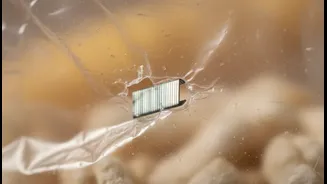
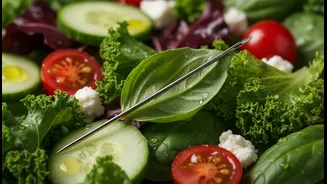
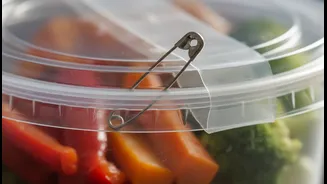
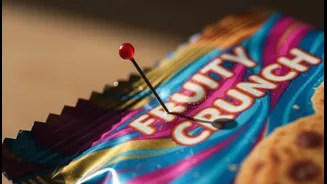
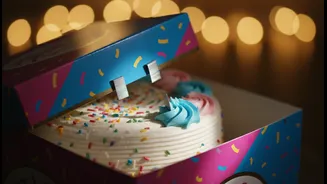
One of the most significant and overlooked hazards is the use of metal staples or pins to assemble or seal cake boxes. While it may seem like a quick and sturdy method for a local baker, it poses a serious threat. A loose staple can easily fall into the cake or its frosting, where its small size makes it difficult to spot. If ingested, a metal pin can cause serious injuries, including cuts in the mouth and throat, choking hazards, or damage to the digestive system. In response to such incidents, including one where a toddler swallowed wires from a cake decoration, FSSAI issued a nationwide directive in June 2026 banning the use of metallic pins, wires, and staples for packaging food items, including bakery products. The advisory directs businesses to switch to safer alternatives like food-grade tape or interlocking box designs.
Inks, Paper, and Other Contaminants
Beyond the physical hazard of staples, the box material itself can be a source of contamination. Not all cardboard is created equal. Food-grade paperboard is specifically manufactured to be safe for contact with food, free from harmful chemicals. However, some boxes may be made from recycled paper that isn't sufficiently purified, potentially containing traces of inks, glues, or other chemicals. Printing inks, especially on the inside of a box, can also be a concern if they are not food-safe, as they can leach into the cake. FSSAI regulations explicitly prohibit using materials like newspapers for packing food and mandate that any plastics or paper used must be of food-grade quality. This ensures the packaging doesn’t impart any undesirable taste, odour, or toxic substances to the cake.
Your Quick Safety Checklist
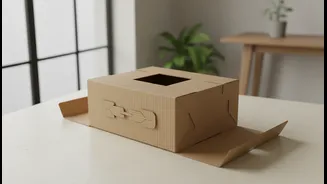
So, what should you look for to ensure your cake is safe? Before you even leave the bakery, or when your delivery arrives, take a moment to perform a quick inspection. First, check how the box is sealed. Look for secure, tamper-proof seals like adhesive tape or boxes with built-in locking tabs rather than staples. Next, examine the box itself. It should be clean, sturdy, and free of any tears or damp spots. Ideally, the interior should be a plain, uncoated food-grade board. If the box has a plastic window, ensure it's intact and clean. Finally, check for the FSSAI license number, which is mandatory on all pre-packaged food products and signifies that the business is registered with the food safety authority.
From Box to Plate Safely
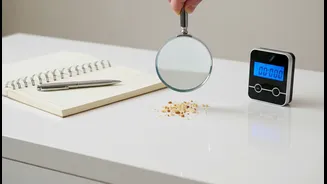
Once you get the cake home and open the box, your inspection isn’t quite over. Carefully lift the cake out and place it on a clean platter. Take a moment to look over the surface of the cake and the board it sits on. Check for any foreign objects—not just staples, but also potential debris from the box itself. Give the cake a quick visual once-over to ensure there's no discolouration that could have come from contact with packaging inks. While you're at it, be mindful of overly bright or artificial-looking colours in the cake itself, as excessive use of some artificial dyes has also been a concern for food safety authorities. Taking these few seconds for a final check ensures that every slice served is safe and delicious.