


More Than Just a Lunchbox
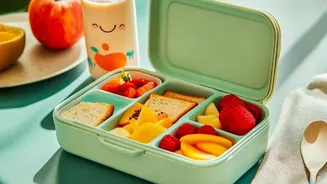
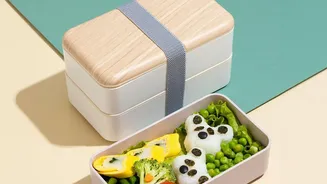
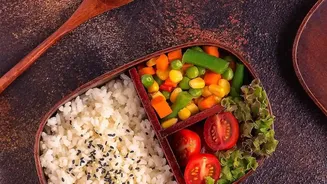
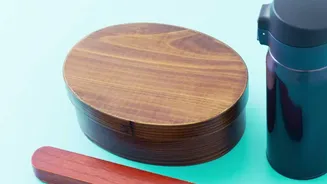
The bento is a single-portion, home-packed meal originating from Japan, but its philosophy is resonating globally. Unlike a traditional Indian dabba where foods might mix, a bento box features compartments designed to keep each element of a meal separate,
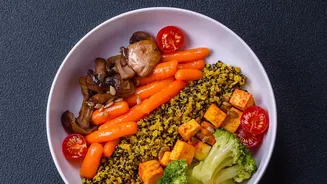
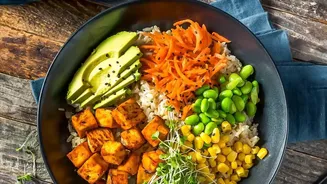
fresh, and visually appealing. The core idea is balance: a thoughtful mix of carbohydrates like rice or noodles, a protein source, and various vegetables. This emphasis on a complete, well-presented meal in one compact container is a major part of its growing appeal in India.
Why Students Are Making the Switch
The shift towards bento boxes is driven by a mix of practicality and modern wellness trends. For students juggling long lectures and tight budgets, the benefits are clear. Firstly, portion control is built-in, encouraging healthier eating habits and preventing post-lunch sluggishness. Secondly, the leak-proof compartments mean no more dreaded curry spills inside a backpack. This makes them perfect for carrying a variety of dishes. The trend is also fueled by social media, where the aesthetic of a colorful, neatly organized #bentobox is highly shareable. It’s a sustainable choice too, reducing the need for single-use plastic wrappers and foils.
Creating the Perfect 'Indian Bento'
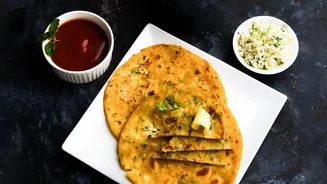
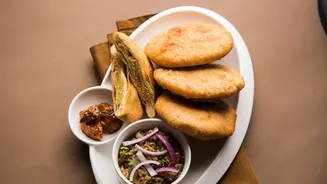
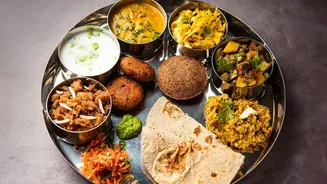
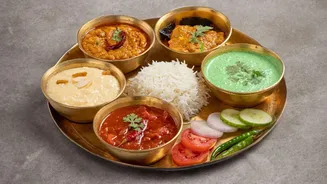
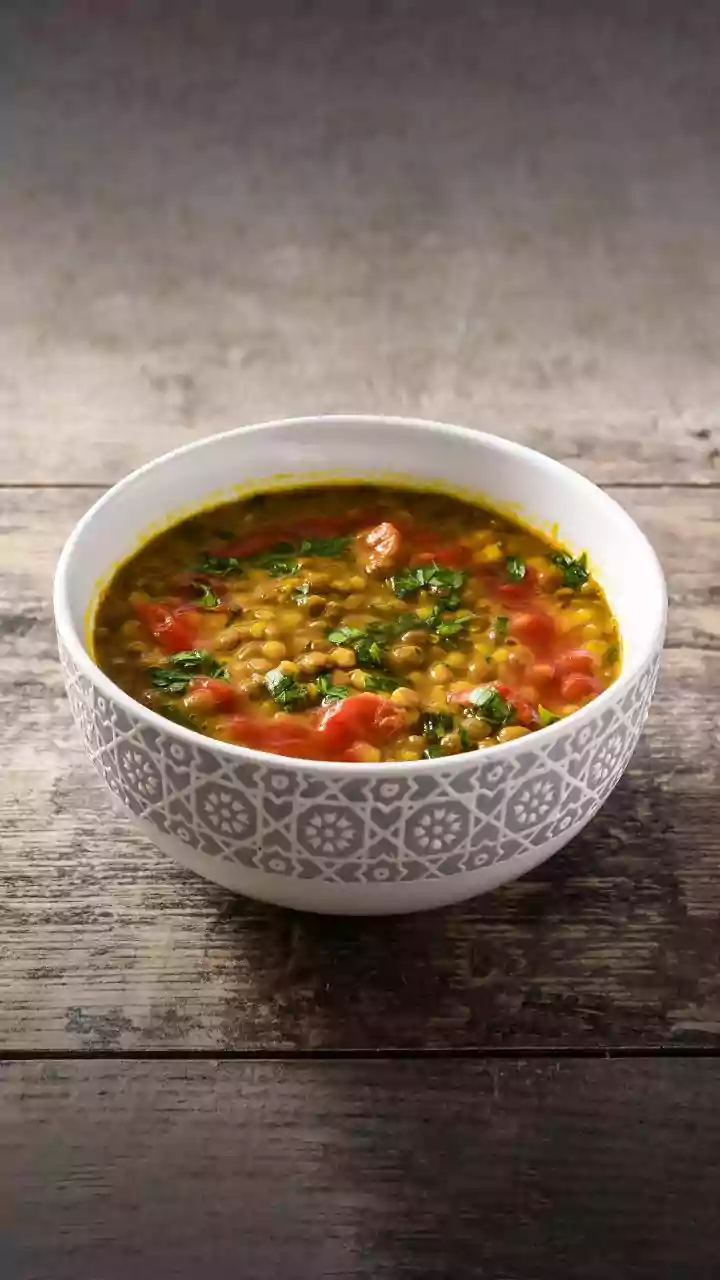
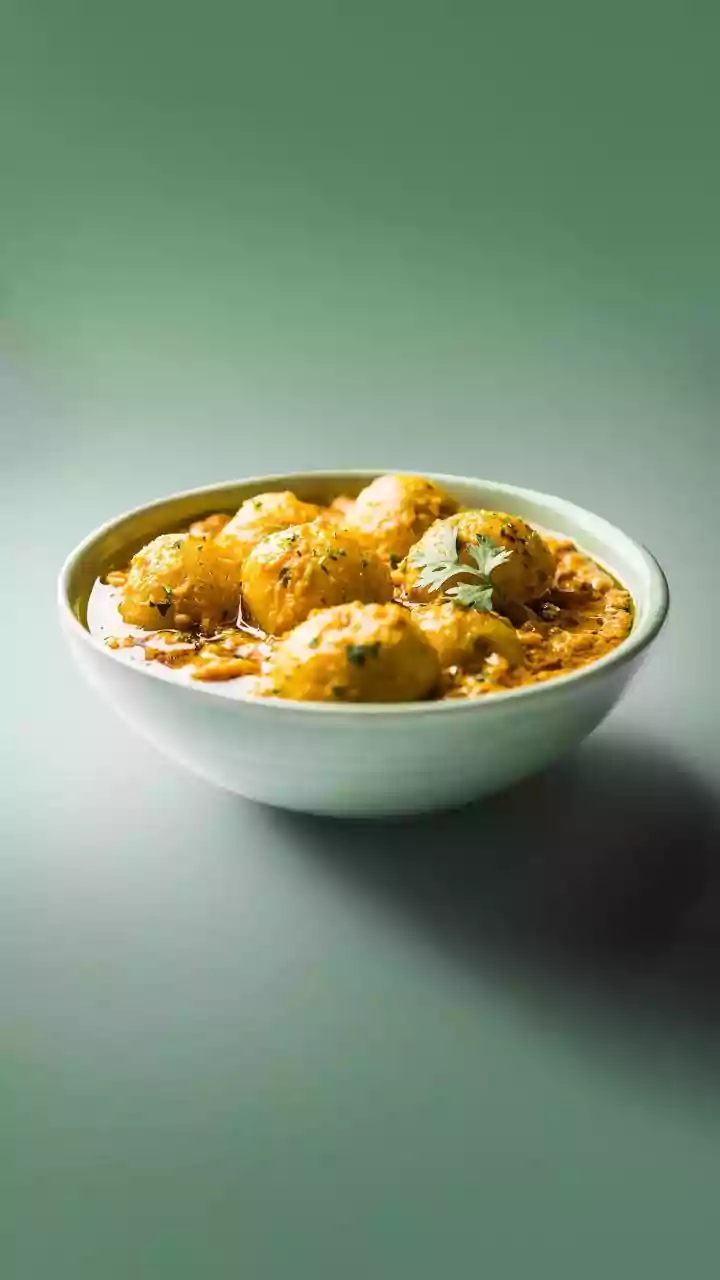
You don't need sushi or tempura to pack a great bento. Indian cuisine, with its vibrant colours and variety, is perfectly suited for this format. The key is to think in components. A balanced Indian bento could feature jeera rice or a couple of folded rotis, a portion of paneer tikka or chicken stir-fry for protein, a dry sabzi like beans or aloo gobi, and a small section for a fresh salad or raita. For curries or dals, a box with a dedicated leak-proof compartment is essential. The goal is to create a mini-thali experience that is both satisfying and convenient to eat between classes.
A Quick Guide to Packing
Getting started is easier than it looks. First, always let cooked food cool down before packing to prevent condensation from making everything soggy. Pack wet dishes like dal or sambar in the most secure, sealed compartment first. Use silicone cupcake liners as clever, reusable dividers for pickles, chutneys, or small snacks like nuts. To keep rotis or parathas soft, wrapping them in a small cotton cloth before placing them in the box can help absorb excess steam. Think about colour and texture to make your lunch more appealing—add a sprinkle of fresh coriander, some pomegranate seeds, or sliced cucumber and carrots.
Choosing Your Ideal Box
With the trend's growth, a wide variety of bento-style boxes are now available online and in stores across India. When choosing one, consider your needs. Look for boxes made from food-grade, BPA-free materials. If you plan to reheat your food, ensure it’s microwave-safe. The number and size of compartments matter, too. A box with three to five compartments offers great versatility for packing a main, a side, a salad, and a small snack. A model with at least one leak-proof section is highly recommended for anyone wanting to pack Indian gravies. Investing in a good quality box makes the entire experience more enjoyable and sustainable in the long run.