





More Than Just 'Roughage'
Let’s be honest: for decades, the conversation around fibre was boring. It was ‘roughage,’ the stuff in whole wheat bread and leafy greens that, to put it politely, ‘keeps you regular.’ This singular focus made it a functional but unexciting part of our
diet. But that perception is undergoing a radical transformation. Scientists and food innovators are reframing fibre not as a mere digestive aid, but as a critical cornerstone of holistic health. The new understanding is that fibre’s most important job isn’t just about transit time; it’s about what it feeds inside us. This shift is turning fibre from a background nutrient into the main character in the story of modern wellness, and it’s a narrative that is projected to dominate food trends by 2026.
The Gut Microbiome Revolution
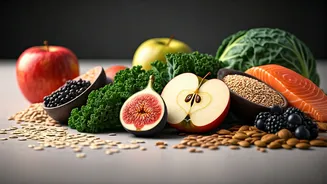
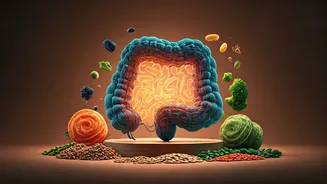
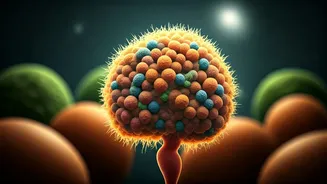
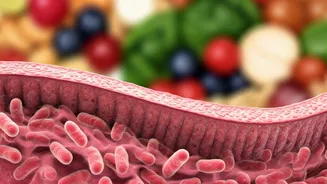
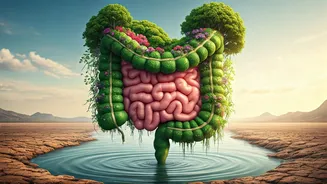
The game-changer is our growing understanding of the gut microbiome—the trillions of bacteria, fungi, and other microbes living in our digestive tract. We now know this internal ecosystem influences everything from our immune system and mental health to our risk of chronic diseases. And what do these beneficial microbes eat? Fibre. Specifically, prebiotic fibre. Think of your gut as a garden. Probiotics (like those in curd or kimchi) are the seeds of good bacteria you plant. Prebiotics, which are certain types of fibre, are the fertiliser that helps those good bacteria flourish. When you eat foods rich in soluble fibres like oats, beans, apples, and carrots, you’re not just feeding yourself; you’re nourishing a microbial army that works to keep you healthy. This science has moved from niche academic journals to mainstream consciousness, creating a massive new demand for foods that support gut health.
The Rise of Functional Foods
The food industry has taken notice. The global market for functional foods—products fortified with health-boosting ingredients—is booming, and fibre is a star player. You’re already seeing the beginnings of it on supermarket shelves. It’s no longer just about high-fibre breakfast cereals. We’re seeing fibre-enriched pastas, protein bars packed with inulin (a type of prebiotic fibre from chicory root), and even ‘gut-friendly’ sodas and juices. These new products are designed to be convenient and delicious, helping consumers bridge the gap between their recommended daily fibre intake (around 25-38 grams) and what they actually consume. Food tech startups are innovating with novel fibre sources, from upcycled fruit peels to algae, promising to deliver health benefits without compromising on taste or texture. This isn't just about adding bran to everything; it's about sophisticated food science creating a new generation of smart foods.
Reconnecting with Indian Roots
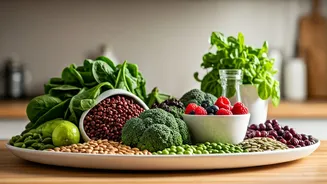
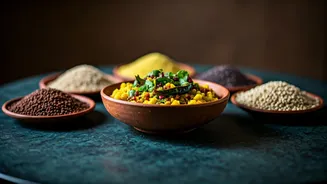
For many in India, this trend might feel like a return to tradition. A classic Indian thali, with its combination of dals (lentils), sabzis (vegetables), whole grains like ragi or jowar, and salads, is naturally a fibre powerhouse. Our culinary heritage is rich with the very ingredients now being celebrated globally. However, the modern, urban Indian diet has increasingly shifted towards refined flours (maida), sugary drinks, and highly processed snacks, which are notoriously low in fibre. The new fibre conversation isn't about discovering a new miracle ingredient, but rather a call to appreciate and reintegrate the nutritional wisdom already present in our traditional food systems. It’s an opportunity to look at millets, legumes, and local greens not as old-fashioned, but as the cutting-edge of nutritional science.
How to Join the Conversation
So, how can you get ahead of the trend? The best approach is to focus on whole foods first. Aim to incorporate a variety of plant-based foods into your diet. Differentiate between the two main types of fibre: soluble fibre (dissolves in water; found in oats, beans, apples, citrus) helps lower cholesterol and control blood sugar, while insoluble fibre (doesn't dissolve; found in whole grains, nuts, cauliflower, green beans) aids digestion. A healthy diet needs both. Simple swaps can make a big difference: choose whole fruit over juice, switch to whole-wheat or multigrain bread, and add a handful of lentils or beans to your salads and soups. While functional foods and supplements can be helpful, they should complement, not replace, a diet built on a diverse foundation of real, unprocessed foods.