





The Rise of the Urban Orchard
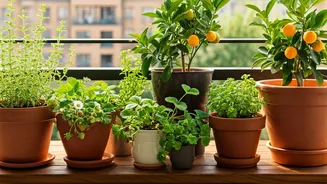
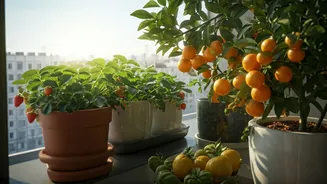
There's a quiet revolution happening on the balconies and terraces of urban India. Spurred by a desire for healthier, pesticide-free food and a need to reconnect with nature, city dwellers are turning their limited outdoor spaces into fruitful sanctuaries.
The trend of balcony gardening has exploded, moving beyond simple herbs and flowers to the ambitious and rewarding world of fruit cultivation. It's a blend of wellness, sustainability, and self-sufficiency, proving that you don't need a sprawling backyard to enjoy the taste of a mango, guava, or strawberry picked fresh from the plant.
Best Fruits for Your Balcony Bonanza
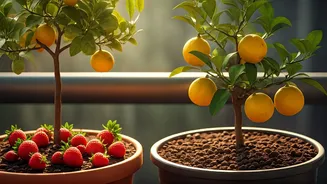
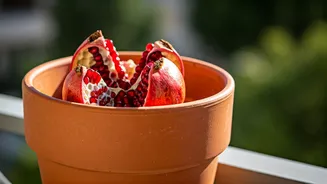
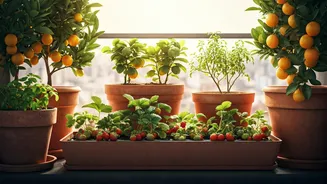
The key to a successful balcony orchard is choosing the right players. You need compact, container-friendly varieties that can thrive in Indian climatic conditions. Dwarf or grafted plants are your best friends here, as they are bred to produce fruit on smaller trees. Top picks include Strawberries, which are perfect for beginners and grow well in hanging baskets or small pots. Dwarf Lemon varieties like the 'Baramasi' can fruit year-round, providing a steady supply of Vitamin C. For those with slightly larger pots and a sunny spot, Dwarf Pomegranate ('Anar'), Thai Guava ('Amrood'), and Fig ('Anjeer') are excellent, hardy choices that are surprisingly productive in containers. Some gardeners have even found success with dwarf varieties of Mango like 'Amrapali'.
Pot, Soil, and Sunlight: The Holy Trinity
Your success starts with the right foundation. Choose containers that give your plant's roots enough room to grow—a pot with at least a 12 to 15-inch diameter is a good start for most dwarf trees, while strawberries are happy in smaller 8-inch pots. Excellent drainage is non-negotiable; ensure your pots have holes at the bottom. The ideal soil mix should be light and nutrient-rich. A common recommendation is a blend of garden soil, cocopeat (for moisture retention), and compost or vermicompost. Finally, most fruit plants are sun-worshippers, requiring at least 6-8 hours of direct sunlight daily to flower and produce fruit. A south or west-facing balcony is often ideal.
Nurturing Your Fledgling Fruit Trees
Caring for container fruit plants is a continuous, rewarding process. Watering is crucial; the soil should be kept consistently moist but never waterlogged. A good rule is to water deeply when the top inch of soil feels dry. During hot Indian summers, you may need to water more frequently. To feed your plants, supplement with organic compost or a balanced liquid fertiliser every few weeks during the growing season, especially when the plant is flowering or fruiting. Keep an eye out for pests. Regularly checking your plants and using organic solutions like neem oil spray can prevent most issues before they escalate.
Patience and the Sweet Reward
Growing fruit is a lesson in patience. Unlike quick-growing vegetables, fruit trees take time. A grafted plant will typically bear fruit much sooner than one grown from seed, often within two to three years. Strawberries are an exception, often producing fruit within a few months of planting. The first time you harvest a sun-ripened, chemical-free fruit from a plant you nurtured on your own balcony is an unparalleled experience. The flavour is often far superior to store-bought equivalents that are picked early for transport. It's a sweet, juicy reward for your effort and a powerful connection to the food you eat.