



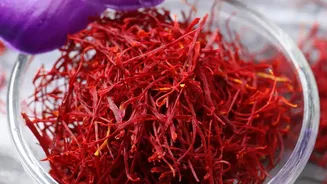
The Secret to a Golden Bloom
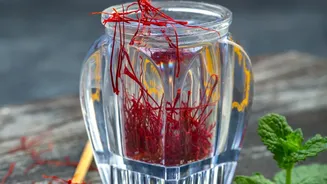
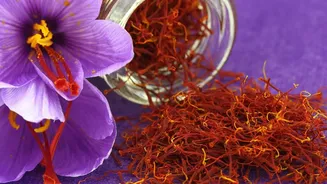
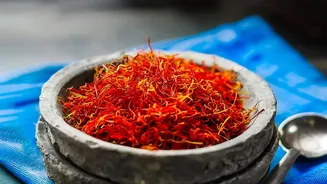
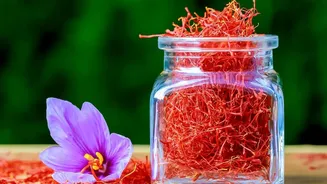
The single most important step to get a rich colour from saffron is to 'bloom' it. Simply tossing the dry threads into a dish is a waste of this precious spice, as its colour and aroma compounds need liquid to be released. To bloom saffron, lightly crush
a pinch of threads (about 15-20) between your fingers or with a mortar and pestle. Then, steep them in two to three tablespoons of warm—not boiling—liquid for at least 15 to 20 minutes. Boiling water can destroy saffron's delicate aromatic compounds, while a gentle warm soak coaxes out the beautiful golden colour. The liquid you choose can be water, but for many Indian dishes, warm milk is preferred.
The Soul of Royal Rice Dishes
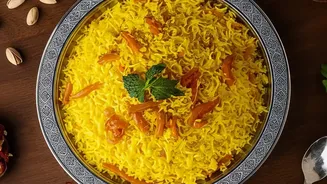
Biryani and pulao are where saffron's colouring power is most famously on display. For a classic Hyderabadi-style biryani, the bloomed saffron milk is drizzled over the final layer of par-cooked rice just before the pot is sealed for 'dum' (steaming). This technique is what creates the signature, elegant streaks of gold against the white basmati, rather than a uniform yellow colour throughout the dish. A dish that is bright yellow all over often indicates the use of food colouring instead of real saffron. For a simpler saffron rice or pulao, the bloomed liquid can be stirred into the cooking water as it comes to a boil, ensuring a more even, gentle colour.
Elegance in Every Sweet
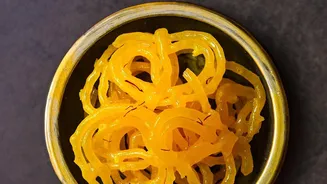
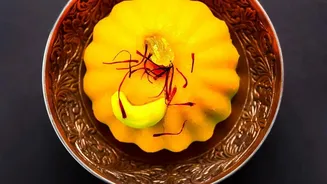
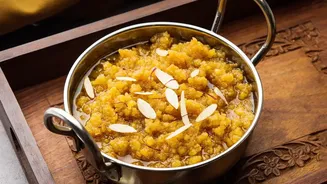
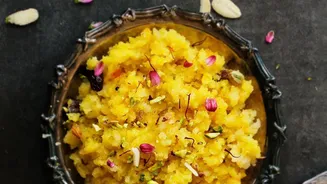
Saffron lends a subtle, sophisticated colour and a honey-like fragrance to a vast array of Indian desserts. In milk-based sweets like kheer, phirni, and rasmalai, saffron provides a pale, inviting golden-yellow tint that signals luxury. To preserve its delicate aroma, the saffron-infused liquid should be stirred in during the last five to ten minutes of simmering, not cooked from the start. It’s also the star in sweets like Shrikhand, a thick, strained yogurt dessert, and Kesar Pista Kulfi, a dense, creamy frozen treat where its flavour complements cardamom and nuts perfectly.
A Touch of Gold in Curries and Drinks
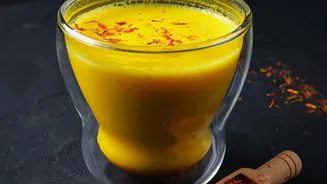
While less common than in rice and desserts, saffron adds a layer of complexity and a beautiful hue to rich, Mughlai-style gravies. In dishes like Shahi Paneer or Nawabi Korma, a little bloomed saffron contributes a subtle colour and aroma that balances the richness of the nuts and cream. Its use extends to beverages as well. Just a few threads can transform a simple glass of warm milk into 'Kesar Doodh', a comforting and fragrant drink. It is also a key ingredient in festive drinks like Thandai and can be added to Lassi for an unexpected touch of class.
Buying and Storing for Lasting Colour
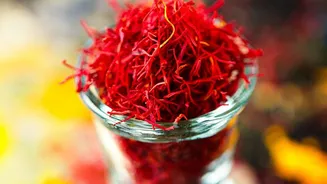
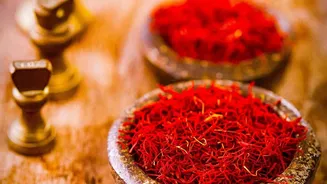
To ensure you are getting the real deal, buy saffron as whole threads, not powder. Genuine threads are trumpet-shaped at one end and release a golden-yellow colour in water, not a quick, bright red. Because it is so sensitive to light, heat, and moisture, proper storage is crucial. Keep your saffron in a small, airtight container in a cool, dark cupboard away from the stove or any source of steam. Do not store it in the refrigerator, as condensation from taking it in and out can degrade its quality over time. When stored correctly, saffron can retain its potency for up to two years.