





The Itinerary is Now a Menu
There’s a quiet revolution happening in Indian travel. For years, a domestic holiday was a predictable checklist: visit the monuments, take pictures at the viewpoints, and eat at conveniently located restaurants. Today, that model is being turned on its
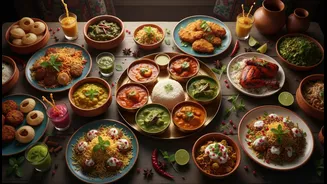
head. Increasingly, the main attraction is the food itself. Travellers are seeking out authentic, immersive culinary experiences that connect them to the culture of a place. This shift, driven largely by a younger generation of explorers, values participation over passive observation. The question is no longer just “What did you see?” but “What did you eat?” and, more importantly, “Where did it come from?”. This has given rise to trips where the itinerary is essentially a menu, carefully curated to savour the true flavour of a region.
Breakfast: The First Taste of Culture
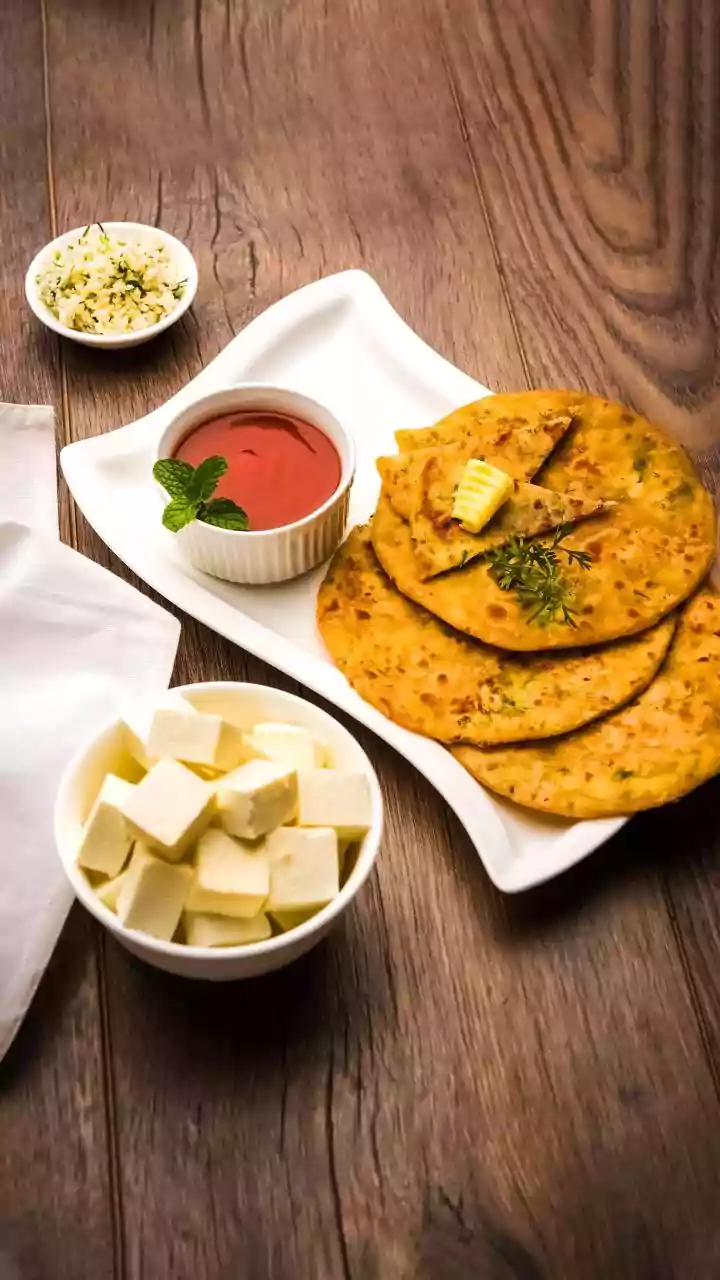
The day's culinary exploration often begins with the most important meal: breakfast. More than just fuel for the day, a local breakfast is a direct line to a region’s soul. Travellers are bypassing generic hotel buffets in favour of seeking out legendary local joints or enjoying home-cooked specialties at farm stays. Imagine starting your day in Kerala with soft, lacy Appams served with a fragrant vegetable stew, or digging into a plate of spicy Misal Pav at a bustling Pune eatery. In Madhya Pradesh, it might be the sweet and savoury combination of Poha with Jalebi, while in Punjab, it's the iconic Aloo Paratha dripping with white butter. These are not just meals; they are generations of tradition served on a plate, offering an immediate and authentic taste of local life before the sightseeing even begins.
Walking the Path from Farm to Table
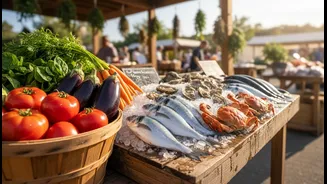
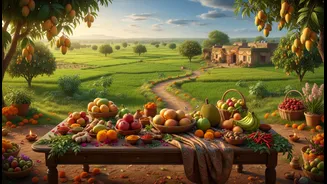
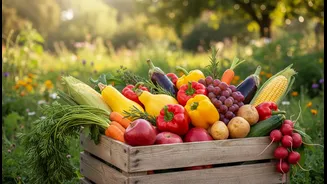
The concept of “produce trails” is rapidly gaining ground, evolving from niche agri-tourism into a mainstream travel desire. This involves visiting the source of local ingredients, transforming a holiday into a hands-on educational journey. These aren’t formal, signposted trails, but rather experiences centered around a region's agricultural heartbeat. You can walk through the aromatic coffee and spice plantations of Coorg, learning about cultivation before a tasting session. Or spend a day in the apple orchards of Himachal Pradesh, understanding the journey from blossom to fruit. Farm stays are becoming central to this trend, offering more than just a place to sleep. They invite guests to participate in farming activities, from picking fresh vegetables for dinner to learning about organic cultivation practices, creating a profound connection between the land and the food on your plate.
Why We Crave Authenticity Now
Several factors are feeding this hunger for culinary travel. The desire for authentic experiences, a departure from standardised tourism, is a primary driver. Travellers want to engage with local communities and understand their way of life, and food is the most accessible gateway. Social media also plays a huge role, with food bloggers and influencers showcasing unique regional dishes and hidden culinary gems, inspiring their followers to embark on their own food-centric journeys. Furthermore, there is a growing appreciation for India's vast and diverse culinary heritage. People are realising that to truly know India, they have to taste it, from the robust flavours of a Kathiyawadi thali in Gujarat to the subtle, slow-cooked dishes of the Himalayas.
Planning Your Own Culinary Journey
Crafting a food-first holiday is easier than ever. Start by researching the culinary specialties of the region you want to visit. Look beyond major cities; often, the most authentic flavours are found in smaller towns and villages. Prioritise homestays and farm stays that highlight their local cuisine and offer cooking classes or farm tours. Websites and communities dedicated to agri-tourism can be a great resource for finding places that offer immersive experiences like fruit picking or spice walks. Follow regional food bloggers on social media to discover iconic local eateries that don’t make it into traditional guidebooks. Don’t be afraid to explore street food stalls and local markets, as this is where you'll often find the true pulse of a place's food culture.