




The Science Behind the Lean
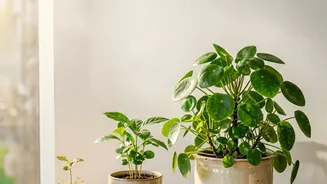
If you've noticed your plant craning towards the window, you've witnessed a natural process called phototropism. Plants contain a growth hormone called auxin that dictates how their cells develop. In simple terms, the cells on the shaded side of the plant grow longer
and faster than the cells on the sun-drenched side. This difference in growth causes the stem to bend towards the light source, as the plant instinctively seeks out the energy it needs for photosynthesis. While this is a brilliant survival tactic in the wild, indoors it results in a lopsided, and sometimes weakened, plant.
More Than Just Good Looks
Rotating plants is about more than just achieving a symmetrical, aesthetically pleasing shape. Promoting even growth ensures the entire plant is strong and stable. When all sides of the plant receive sunlight, they develop leaves more uniformly, leading to a fuller, more robust appearance. This balanced access to light allows the plant to maximize its energy production through photosynthesis. Furthermore, good rotation encourages better air circulation around the entire plant, which can help reduce the risk of pests and fungal diseases that thrive in stagnant conditions.
How Often Should You Rotate?
There isn't a single, strict rule for every plant, but a common and easy-to-remember guideline is to give your plant a quarter-turn each time you water it. This simple habit integrates rotation into your existing care routine. For plants in lower light conditions, a more frequent turn every one to two weeks might be beneficial. Plants in very bright spots may only need adjusting every few months. The key is consistency. Avoid dramatic 180-degree turns, which can shock the plant; a gentle, regular quarter-turn is the best approach to prevent stress and encourage steady, even growth.
Signs It's Time for a Turn
Your plants will give you clear visual cues when they need a new perspective. The most obvious sign is a visible lean towards a window or light source. You might also notice that one side of the plant is significantly fuller, with more leaves and denser growth, while the side facing away from the light looks sparse or has smaller leaves. A layer of dust accumulating on the leaves facing into the room is another subtle hint that it’s been a while. Making rotation a part of your regular plant inspection allows you to catch these signs early and also check for pests or watering needs at the same time.
Are There Any Exceptions?
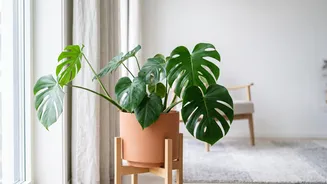
While most common houseplants benefit from rotation, there are a few exceptions and considerations. Some plants, like certain flowering orchids or a Christmas Cactus with buds, can be sensitive. Rotating them after they've set their buds might cause them to drop as the plant redirects energy to adjust to the new light orientation. Additionally, some experts argue that for certain plants with a clear front and back, like a Monstera Deliciosa, it's better to let them orient themselves naturally towards the light rather than confusing them with constant turns. If a plant is healthy and stable, and you don't mind a bit of natural asymmetry, it's okay to leave it be.