




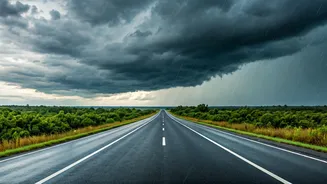



The Current Situation: A Region on High Alert
The first wave of the 2026 monsoon has hit Northeast India with significant force, leading to widespread disruption. States like Arunachal Pradesh and Assam are currently grappling with flash floods and landslides, which have damaged infrastructure and affected
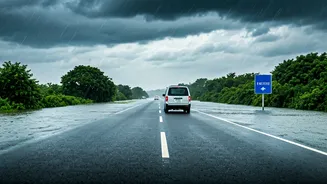
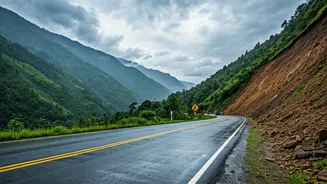
tens of thousands of people. In late June, heavy and continuous rainfall triggered multiple landslides, submerged homes, and cut off connectivity in at least 12 districts in Arunachal Pradesh. The situation has been severe enough to claim lives and has prompted authorities to issue alerts urging people to avoid unnecessary travel. In Assam, the Dhemaji district is among the worst-hit, with a key railway bridge partially collapsing due to riverbank erosion, suspending train services in the region. Sikkim has also seen bridges washed away, severing road links. This isn't a typical monsoon; it's an active and destructive weather pattern that demands a higher level of preparedness from anyone planning to visit.
Key Risks for Travellers on the Ground
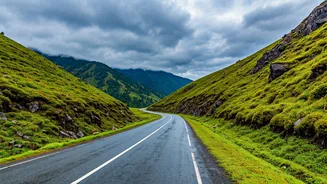
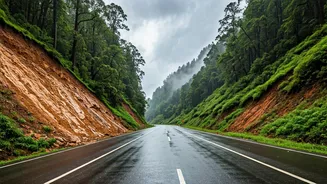
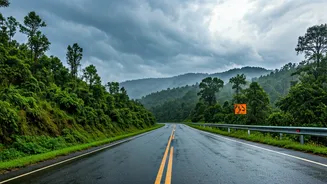
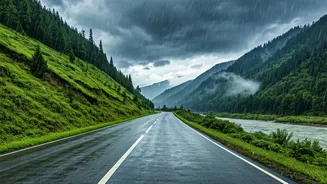
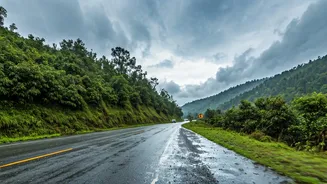
For tourists, the biggest danger is the unpredictability of the terrain. Landslides are a major concern, often occurring without warning and capable of blocking major highways for hours or even days, leaving travellers stranded. In May, the Meghalaya government issued a stricter safety advisory for tourists, highlighting the unpredictability of water levels in rivers and waterfalls and the danger of slippery terrain. Flash floods can submerge roads and low-lying areas with terrifying speed. These events often lead to a breakdown in communication networks and transport, making it difficult to call for help or move to a safer location. Even in areas not directly hit by floods, the constant rain and fog can severely reduce visibility on winding hill roads, making driving treacherous. Authorities have made it clear that basic precautions are no longer optional but essential for safety.
Before You Go: A Pre-Travel Checklist
Given the current conditions, a spontaneous trip is ill-advised. Meticulous planning is your first line of defence. Start by closely monitoring weather updates from the India Meteorological Department (IMD). While the IMD has forecast that Northeast India may receive normal to above-normal rainfall in July, local conditions can change rapidly. Check the official road status from state government websites, like the updates provided by Sikkim's Road and Bridges Department, which lists currently open and closed routes. Contact your hotel or a local travel operator in your destination for on-the-ground information about road accessibility and local safety. It is crucial to build flexibility into your itinerary; avoid tight schedules that don't allow for potential delays due to roadblocks or bad weather. Finally, ensure you have comprehensive travel insurance that covers trip disruptions and medical emergencies.
On-the-Road Safety and Essential Gear
If you do decide to travel, how you navigate the region is critical. Always travel during daylight hours and avoid driving at night when visibility is at its worst. Hire an experienced local driver who is familiar with the terrain and alternative routes. Be extremely cautious near rivers and waterfalls; water levels can rise suddenly. The Meghalaya government specifically advises against swimming in deep waters or venturing onto slippery rocks. Your packing list should be adapted for these conditions. Include high-quality waterproof jackets and trousers, sturdy non-slip footwear, and waterproof covers for your luggage and electronic devices. Carry a well-stocked first-aid kit, extra prescription medications, a powerful torch, and fully charged power banks. It is also wise to have a stock of dry snacks and bottled water in your vehicle in case you are stranded for an extended period.