


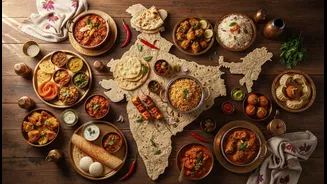


A Dish with a Rich History
The kebab's journey is as rich and layered as its marinades. Believed to have originated with soldiers grilling meat on their swords over open fires, kebabs were introduced to India during the Mughal era. This humble meal of warriors was transformed in royal
kitchens, where chefs perfected slow-cooking methods and aromatic marinades using yoghurt and spices. Over centuries, this culinary tradition spread across the subcontinent, with each region adding its own unique spin, from the refined, melt-in-your-mouth kebabs of Lucknow to the spicy versions of Hyderabad.
Exploring India’s Kebab Diversity
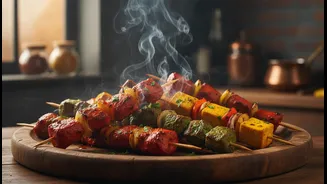
India offers an incredible variety of kebabs that cater to every palate. The Galouti Kebab from Lucknow is famously so soft it was created for a Nawab who had lost his teeth. Then there's the popular Seekh Kebab, made from minced meat shaped onto skewers and grilled, a direct descendant of the soldier's sword-grilled meal. Shami Kebabs, small patties of minced meat and lentils, are another beloved classic. For vegetarians, options like the Hara Bhara Kebab, Paneer Tikka, and Dahi ke Kebab offer equally delicious ways to join the celebration.
Grilling at Home: A Mini-Guide
Celebrating at home by firing up the grill is a fantastic option. For the juiciest results, planning is key. Marinating your meat or vegetables for several hours is crucial; a mix of yoghurt, lemon, and spices not only adds flavour but also tenderises the protein. When grilling, aim for a medium-high heat of around 200°C. This ensures a good char on the outside while keeping the inside succulent. Cook chicken kebabs for 12-15 minutes until the internal temperature reaches 74°C, and beef for 8-12 minutes for medium-rare. Remember to keep raw and cooked foods separate to avoid cross-contamination.
Street Food Smarts for the Monsoon
If you plan to celebrate with street-side kebabs, exercising caution is important, especially during the monsoon season when humidity can increase the risk of foodborne illnesses. Opt for vendors who are busy, as this indicates a high turnover and fresher food. Observe the stall's cleanliness; look for vendors who use gloves or tongs to handle food and have separate areas for raw and cooked items. Always choose kebabs that are cooked fresh in front of you and served piping hot. It’s best to avoid raw chutneys or salads that may have been sitting out or washed with contaminated water.
Perfect Pairings to Complete the Meal
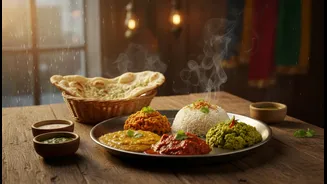
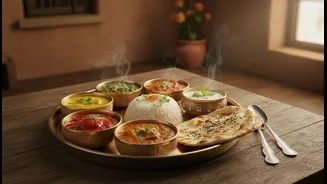
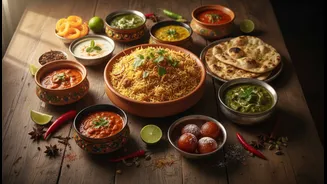
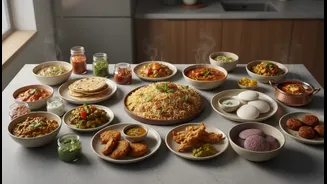
A great kebab is more than just the grilled meat; the accompaniments are just as important. Classic pairings elevate the entire experience. Soft, fresh bread like naan or rumali roti is perfect for scooping up every last flavourful bite. A cooling mint-coriander chutney provides a fresh contrast to the smoky, spiced meat, while a simple salad of sliced onions and a squeeze of lemon cuts through the richness. For a more substantial meal, a side of creamy raita can balance the heat and complete your celebratory feast.