
The Science of the Sizzle
Why is oil temperature the most critical factor? It’s all about a race between cooking the inside and crisping the outside. When a batter-coated slice of bread hits hot oil, the moisture in the batter and bread turns to steam, creating a protective barrier
that pushes outwards against the oil. This process cooks the filling and the bread from the inside out while the hot oil works to create a golden, crispy crust. If the oil is too cold, this steam barrier is weak. Instead of repelling the oil, the pakora absorbs it like a sponge, leading to a heavy, greasy, and unpleasant result. The crust won't be crisp, and the inside will feel soggy. It’s the difference between a delightful snack and a culinary disappointment.
The Golden Window of Frying
For those with a cooking thermometer, there is a specific 'golden window' for frying pakoras. The ideal temperature range is between 175°C and 190°C (350°F to 375°F). In this range, the oil is hot enough to instantly vaporize the surface moisture, sealing the batter and creating that essential crispy crust before the interior overcooks or the exterior burns. It's the perfect balance. Dropping a pakora into oil at this temperature results in a vigorous, steady sizzle. The pakora will sink for a moment and then quickly float to the surface as the steam buoys it. This is the sweet spot where the outside becomes perfectly golden-brown in the same amount of time it takes to cook the besan batter and heat the filling all the way through.
Testing Oil Without a Gadget
Of course, most street vendors and home cooks don’t use a thermometer. They rely on timeless, intuitive methods. The most common is the 'batter drop test'. Simply drop a tiny speck of your besan batter into the oil. If it sinks to the bottom and stays there, the oil is too cold. If it sizzles violently, turns dark brown instantly, and floats, the oil is far too hot. The perfect sign is when the droplet sinks slightly, then immediately sizzles and rises to the top, puffing up into a golden ball. Another method is using a wooden spoon or skewer; dip the tip into the oil, and if a steady stream of tiny bubbles forms around the wood, your oil is ready for frying. These simple tests are just as reliable as a digital display once you know what to look for.
Don’t Crowd the Kadai
You’ve heated your oil to the perfect temperature. The biggest mistake you can make now is getting impatient and overcrowding the kadai or pan. Every piece of cold, batter-dipped bread you add to the oil will cause the overall temperature to drop significantly. If you add too many pakoras at once, even perfectly heated oil can quickly become too cool to fry properly. The result? You’re back to making greasy, soggy pakoras. The key is to fry in small batches, adding only 2-3 pieces at a time, depending on the size of your pan. This ensures the oil temperature remains stable and consistent. Allow the oil a minute or two to come back up to the right temperature between batches. This small act of patience is non-negotiable for achieving that authentic, street-style crispiness every single time.
Reading the Results
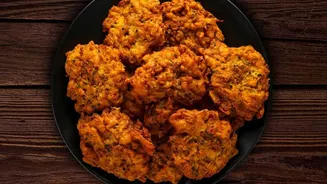
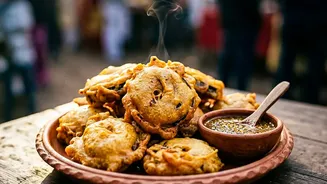
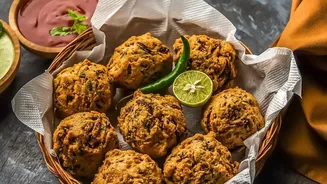
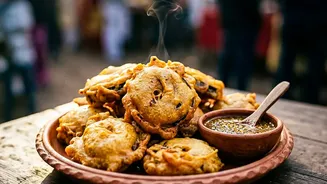
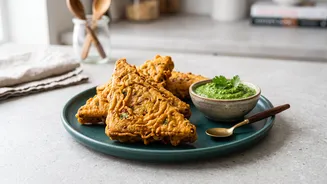
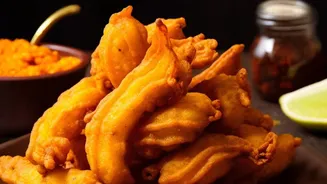
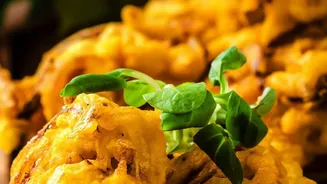
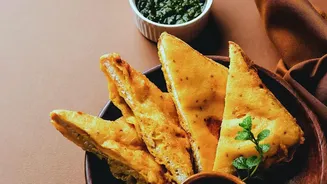
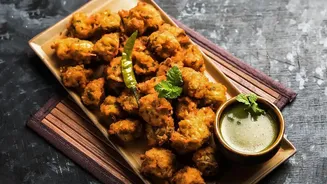
Your eyes and ears will tell you if you've succeeded. A perfectly fried bread pakora has an even, deep golden-brown colour. It feels light for its size and sounds audibly crispy when you tap it. When you break it open, steam should escape, and the inside should be fluffy and cooked through, not dense or wet with oil. The tell-tale sign of failure is a pakora that is dark brown or has black spots, indicating oil that was too hot and burned the besan. Conversely, a pakora that is pale, feels heavy, and leaves a noticeable slick of oil on your fingers was fried in oil that was too cold. Pay attention to these signs, and you can adjust your technique on the fly for the next batch.