

The New Street Style Uniform
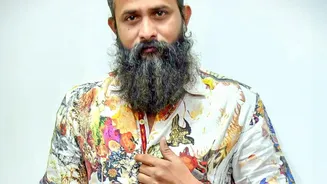
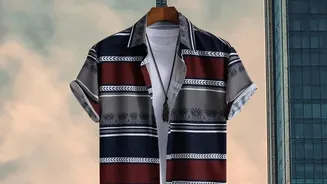
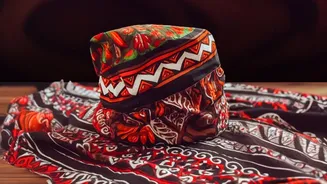
Forget the old rules. In place of conventional ethnic wear, imagine oversized hoodies made from breathable Khadi, Ikat-print cargo pants, and bomber jackets featuring intricate Kantha embroidery. This fusion isn't just a fleeting trend; it's a new design
language. Brands are deconstructing traditional garments and reimagining them for a modern, urban context. The result is clothing that is comfortable, functional, and deeply connected to cultural roots, moving beyond simple imitation of global trends to create something genuinely original. It's a style that balances a global aesthetic with a distinctly local flavour, perfect for a generation that navigates both worlds with ease.
The Rise of the Tier 2 Visionaries
Interestingly, much of this innovation is bubbling up from outside the traditional fashion capitals of Delhi and Mumbai. Emerging labels from cities like Jaipur, Ranchi, and Kochi are leading the charge. Brands such as Johargram from Ranchi are building an identity around the specific crafts of their region, in their case, the textiles of Jharkhand. This shift is powered by several factors. Lower overheads and direct access to artisan clusters allow these smaller brands to be more agile and experimental. They operate with a different perspective, unburdened by the commercial pressures of the mainstream, allowing them to focus on authentic storytelling and craft preservation. Digital platforms have levelled the playing field, giving these labels a direct-to-consumer channel to reach a national and even global audience.
A Statement of Sustainability
At its core, the handloom streetwear movement is also a vote for sustainability. In a world grappling with the environmental cost of fast fashion, handloom offers a compelling alternative. The production process is inherently eco-friendly, using minimal electricity and water, and often employing natural dyes. By choosing handwoven fabrics, designers are not just making an aesthetic choice but an ethical one. They are supporting a circular economy, reducing textile waste through the creation of durable, timeless pieces, and helping to preserve intergenerational skills that are vital to rural livelihoods. This resonates powerfully with a new generation of consumers who are increasingly conscious of their environmental impact and seek transparency in the clothes they buy.
An Identity for Gen Z
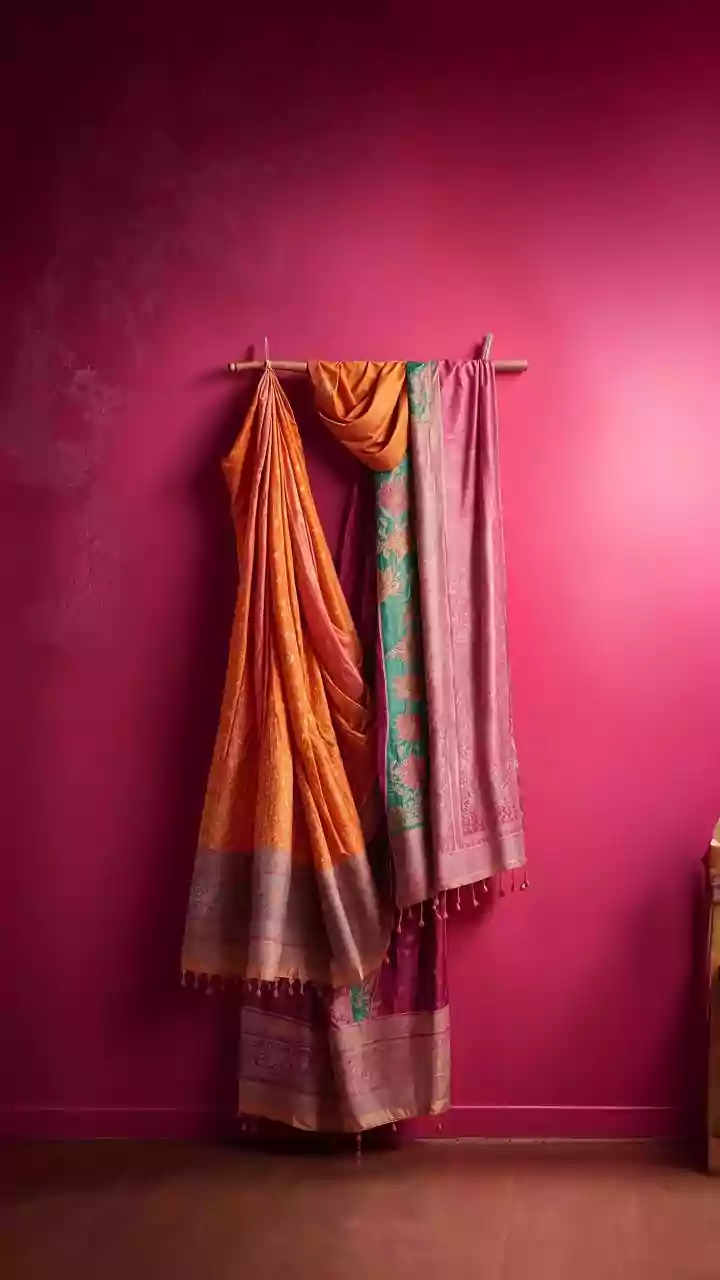
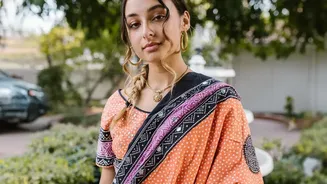
So, why is this fusion of old and new resonating so strongly, particularly with Gen Z? The answer lies in the search for identity. For young Indians, this style is a form of self-expression that feels both modern and authentic. It's a way to connect with their heritage on their own terms, rejecting both the homogeny of global fast fashion and the perceived rigidity of traditional ethnic wear. Wearing an Ikat bomber jacket or styling a handwoven sari with sneakers is a statement of cultural confidence. It says, 'I am global, but I am also rooted.' These are not just clothes; they are conversation starters, wearable pieces of art that tell a story about where they come from and who they are.
More Than Just a Trend
Labels like Kardo, NorBlack NorWhite, and 11.11 / eleven eleven have been championing this space, proving the commercial and cultural viability of textile-forward fashion. They collaborate directly with artisan clusters, ensuring that craft and community are at the heart of their business. Brands like Kardo even credit the specific tailor on the label of each garment, reinforcing the human touch behind every piece. This approach moves beyond mere aesthetics; it's about building a more equitable and mindful fashion ecosystem. It debugs legacy systems, as one commentator put it, by making heritage relevant and accessible for a new generation.