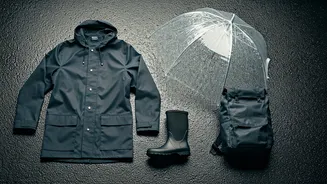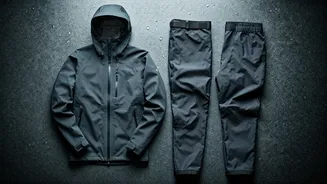




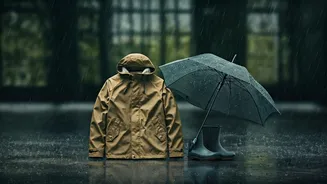



Waterproof vs. Water-Resistant: Know the Difference
The most critical distinction in rainwear is between "water-resistant" and "waterproof". A water-resistant jacket is made of tightly woven fabric that can handle light showers or drizzles for a short period. It offers minimal protection and will eventually
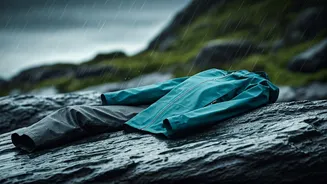
let water seep through, especially in a persistent Indian monsoon. Waterproof gear, on the other hand, provides a complete barrier to water. These garments use membranes or special coatings (like Polyurethane or PU) and have sealed or taped seams to prevent any leakage, even in heavy rain. For daily commutes in cities with heavy rainfall like Mumbai, waterproof is not a luxury—it's a necessity.
Material World: Decoding Fabrics for a Dry Commute
The fabric of your rain gear determines its performance. Basic plastic or PVC raincoats are 100% waterproof but are not breathable, trapping sweat and creating a clammy, uncomfortable experience often called the "boil-in-the-bag" effect. A better choice for the heat and humidity of the Indian monsoon is polyester or nylon with a PU coating. These materials balance waterproofing with some breathability and are lightweight. For those who spend a lot of time outdoors or want maximum performance, technical fabrics like Gore-Tex are the gold standard. They have a microporous membrane that blocks rain while allowing sweat vapour to escape, keeping you dry from the inside and out.
Features That Truly Matter
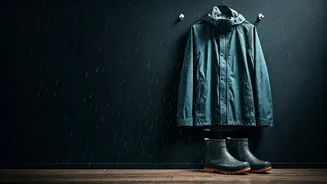
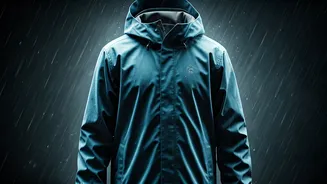
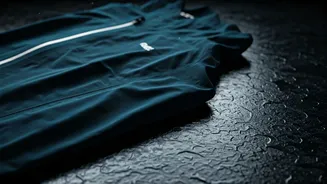
A great raincoat is more than its fabric. Look for these crucial details. Sealed seams are non-negotiable; without them, water will penetrate the tiny holes made by sewing needles. A sturdy hood with adjustable drawcords is vital to protect your head and face, and to prevent it from blowing off in the wind. Storm flaps, which are fabric flaps that cover the zippers, provide an extra layer of protection against driving rain. Finally, good ventilation, like pit zips (zippers under the armpits), can be a lifesaver in humid weather, allowing you to release heat without taking off your jacket.
Your Feet Come First: The Right Footwear
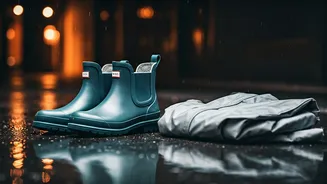
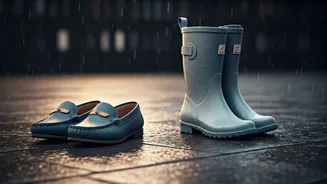
The wrong shoes can ruin your day faster than a sudden downpour. Leather and canvas are poor choices as they soak up water, take forever to dry, and can lead to fungal infections. The best monsoon footwear is made from water-resistant materials like rubber, EVA, or PVC. Look for options with an anti-slip sole that has deep grooves for good grip on slippery, algae-covered pavements. Open-toed floaters and sandals are great as they don't accumulate water and dry quickly. For more protection, rubber boots or waterproof slip-ons are excellent choices. Well-known brands like Crocs are popular for being lightweight, waterproof, and easy to clean.
Don't Forget Your Belongings: Waterproof Bags
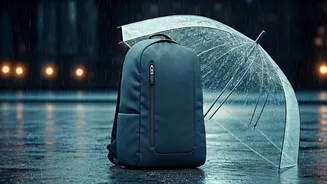
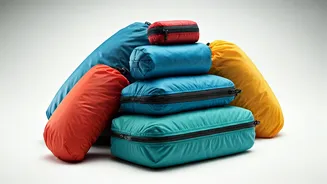
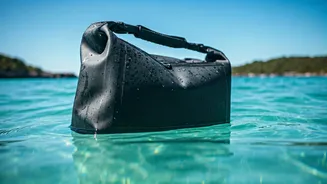
Keeping yourself dry is only half the battle; your phone, laptop, and other essentials also need protection. A waterproof backpack is a wise investment. Look for bags made from materials like PVC, TPU, or PU-coated ripstop nylon. Features like waterproof zippers and roll-top closures offer the best defence against water entry. If you don't want to buy a new bag, a separate rain cover for your existing backpack is an affordable and effective alternative. Ensure it fits snugly and is made of a durable, coated material for reliable protection during downpours.