






The Science of Living Light
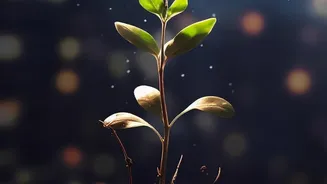
At its core, bioluminescence is nature's own light show, seen in organisms like fireflies and deep-sea fish. Scientists have harnessed this by inserting the genes responsible for luminescence from organisms like fungi into the DNA of common plants. The
key is a process where an enzyme called luciferase acts on a light-emitting molecule, luciferin. In recent breakthroughs, researchers have utilized a system from luminous mushrooms that works with caffeic acid, a compound naturally present in all plants. This allows the genetically modified plants to produce their own light continuously, powered by their own metabolism, without needing external chemicals or triggers.
From Lab to Living Room
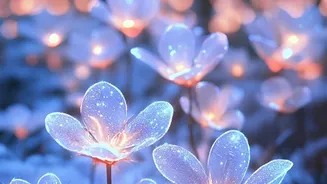
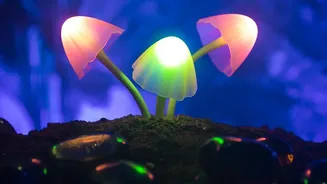
This technology is no longer confined to the laboratory. US-based synthetic biology company Light Bio has already brought the first commercially available glowing plant to market: the Firefly Petunia. Approved by the US Department of Agriculture, these petunias emit a soft, continuous glow, with the flower buds shining most brightly. The popularity of the Firefly Petunia, which has seen production ramped up to meet demand, demonstrates a public appetite for this fusion of nature and technology. Meanwhile, researchers in China have expanded the portfolio, engineering over 20 different species to glow, including orchids, sunflowers, and chrysanthemums, with an eye on tourism and the 'nighttime economy'.
A Vision for Glowing Green Cities
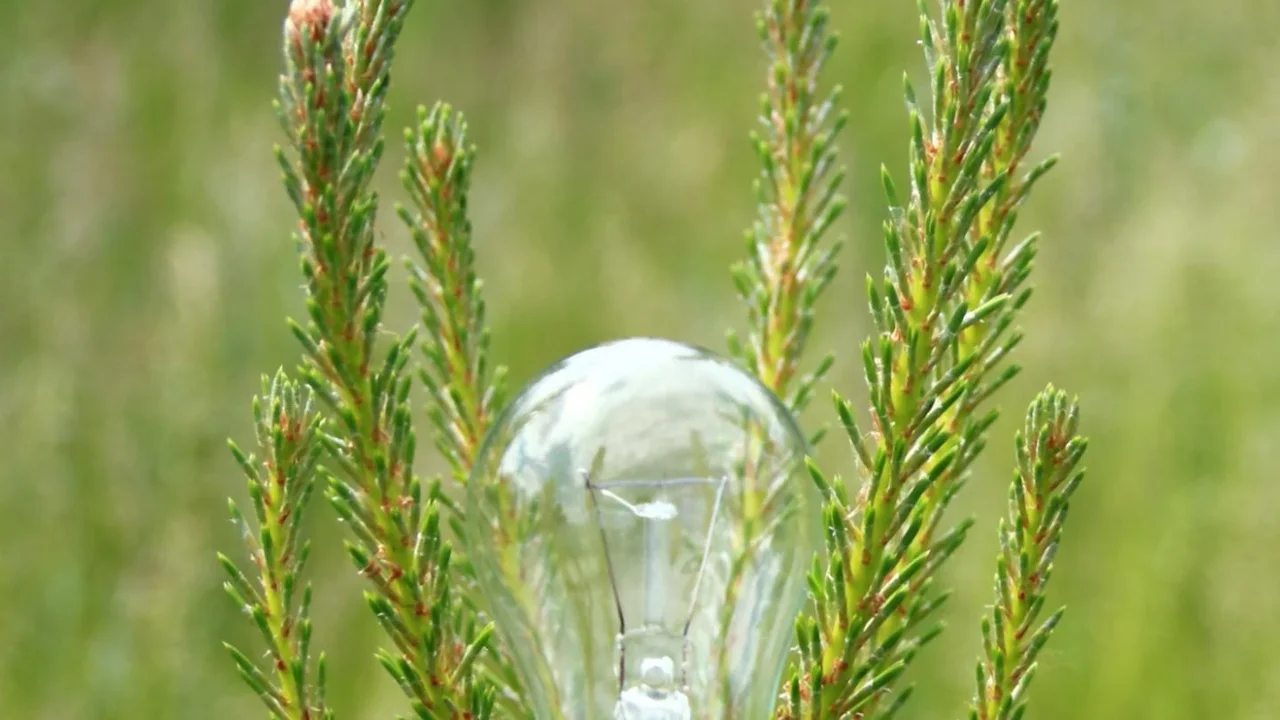
The ultimate ambition extends far beyond decorative houseplants. The goal is to create entire landscapes of glowing flora that could one day provide ambient light for parks, pathways, and public squares. Proponents envision a future where cities reduce their reliance on the electrical grid for lighting, cutting both energy consumption and carbon emissions. This form of organic light could also reduce harsh light pollution, offering a softer, more natural illumination that is less disruptive to nocturnal wildlife and creates a more pleasant urban nightscape. Instead of consuming energy, these living lights would perform photosynthesis, absorbing carbon dioxide and releasing oxygen.
The Brightness Barrier
Despite the rapid progress, a significant hurdle remains: brightness. The light emitted by current bioluminescent plants is soft and ambient, often compared to moonlight. It is perfect for creating a mood or for wayfinding in a dark garden, but it is nowhere near intense enough to replace a standard LED streetlight. One recent analysis found that the best-performing plants are still about 79 times dimmer than the European Union's minimum standard for road lighting. While research has successfully increased the brightness of plants by up to 100 times, and future improvements are expected, bridging this gap is the primary technical challenge to overcome before glowing trees can illuminate our streets.
Beyond the Bulb: Hurdles and Headwinds
Beyond light intensity, several other practical challenges must be addressed. As living organisms, these plants would require maintenance, including water, nutrients, and pruning. Their performance could be affected by weather, seasons, and disease. There is also the question of public acceptance and regulation surrounding the widespread introduction of genetically modified organisms (GMOs) into the environment. Concerns about potential ecological impacts, such as genes spreading to other species, will require careful, long-term study and transparent public discussion before bioluminescent infrastructure becomes a widespread reality.