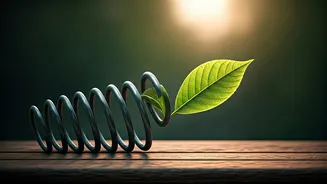









Why Gains Happen During Rest, Not Reps
It might sound counterintuitive, but muscle growth doesn't actually happen while you're lifting weights or pushing through a hard run. Exercise, particularly resistance training, creates tiny microscopic tears in your muscle fibres. [5, 17, 23] This stress
is the necessary stimulus for change. However, the real magic—repair and growth—occurs when you rest. [5, 10] During recovery, a cellular process fuses muscle fibres to form new protein strands, or myofibrils. [5] These new strands increase in number and thickness, making your muscles stronger. Without adequate downtime, you're simply breaking down tissue without giving it a chance to rebuild, which can lead to inflammation and pain instead of progress. [5, 25]
The Dangers of Overtraining
Consistently skipping rest days can lead to a state of under-recovery or, in more serious cases, overtraining syndrome. [2, 14] This condition goes beyond simple fatigue and can have widespread physiological and psychological effects. [4] Signs of being under-recovered include persistent muscle soreness, sluggishness, and noticing that workouts that once felt easy have become difficult. [2, 18] If ignored, this can escalate to overtraining, which presents with symptoms like performance plateaus or declines, mood swings and irritability, compromised immune function, and disturbed sleep patterns. [4, 15, 22] Chronic overtraining elevates stress hormones like cortisol, which can disrupt your endocrine system and even encourage fat storage—the exact opposite of what most people want from their fitness routine. [4, 20] Perhaps most critically, tired muscles and a fatigued mind lead to poor form, significantly increasing your risk of an overuse injury. [5, 13, 24]
Active vs. Passive: Choosing Your Recovery Style
Recovery doesn't always mean lying on the couch. There are two main types: passive and active. [21] Passive recovery is complete rest, which is crucial for healing when you're injured, ill, or feeling the deep fatigue of overtraining. [9] It allows the body to focus its resources entirely on repair. [16] Active recovery, on the other hand, involves low-intensity movement after a strenuous workout, such as walking, gentle cycling, swimming, or yoga. [6, 8] This approach helps promote blood flow, which can flush out metabolic waste products like lactic acid from the muscles, potentially reducing soreness and stiffness. [9, 11, 26] One study showed that active recovery helped runners go three times longer in their next session compared to those who used passive recovery. [6] The best approach often involves a combination of both, depending on the intensity of your training and how your body feels.
Smarter Strategies for Better Recovery
Integrating deliberate recovery practices into your routine is key. Sleep is perhaps the single most effective recovery tool, as the body releases growth hormone during deep sleep to repair muscle tissue. [7, 10, 19, 28] Aiming for 7-9 hours of quality sleep is non-negotiable for serious fitness progress. [8, 18] Nutrition is another pillar. Consuming a combination of protein and carbohydrates within about 90 minutes post-workout helps repair muscle tissue and replenish your energy stores (glycogen). [3, 7, 27] Hydration is equally vital, as dehydration can slow recovery and increase injury risk. [7, 10] Finally, techniques like stretching, foam rolling, and massage can aid recovery by improving circulation, reducing muscle tension, and increasing flexibility. [8, 12]
Listen to Your Body's Signals
Ultimately, the most important expert on your recovery needs is you. Learning to listen to your body is a critical skill. [2] Persistent fatigue, a lack of motivation, nagging aches, or feeling "wired but tired" are all signals that you may be under-recovering. [18, 22] It's important to differentiate between the normal muscle soreness that signals adaptation and the excessive, persistent pain that indicates a problem. [14] Don't be afraid to take an unscheduled rest day or swap a high-intensity session for a gentle walk. A smart training plan is flexible and prioritizes long-term consistency over short-term intensity. Viewing rest as a productive and essential part of your training is the key to sustainable, long-term fitness and health. [18, 24]