





The Spectacle and Scale
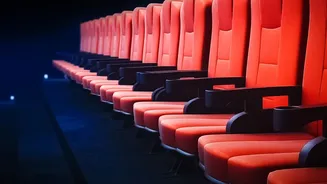
The most straightforward factor is spectacle. Films designed with massive visual grandeur, intricate sound design, and breathtaking cinematography are tailor-made for the theatrical experience. Think of sprawling historical epics, science-fiction sagas
with stunning visual effects, or action blockbusters that rely on the immersive power of a giant screen and a powerful sound system. The communal experience of watching these films in a dark room, free from distractions, enhances their impact in a way a home setup cannot replicate. Theatres are ideal for these 'event' movies that aim to create a cultural moment and draw large crowds.
Narrative Style and Genre
Beyond the visuals, the type of story being told is a crucial differentiator. Theatrical releases often favour high-concept, fast-paced narratives with broad, commercial appeal that can grab an audience's attention quickly. In contrast, Over-the-Top (OTT) platforms have become a haven for stories that are more niche, experimental, or character-focused. These platforms can support slower-burn narratives, complex character studies, and bold themes that might be considered too risky for a wide theatrical release. The episodic nature of web series, a format exclusive to OTT, allows for deeper, more layered storytelling that a two-hour film cannot accommodate.
The Economics of the Release
The financial model behind each release strategy is fundamentally different. A theatrical release involves huge upfront costs for marketing and distribution, with the potential for massive box office returns but also a significant risk of failure. For big-budget films, a successful theatrical run is often necessary to recoup the investment. A direct-to-OTT release, on the other hand, offers producers a guaranteed payment from the streaming platform, effectively eliminating much of the financial risk. This makes it an attractive option for small to mid-budget films, which can recover their costs and even turn a profit without ever entering a cinema. However, this safety net comes at the cost of the explosive upside a blockbuster hit can generate.
Star Power and Target Audience
The cast of a film plays a significant role in its distribution strategy. A-list stars with a proven track record of drawing audiences to theatres can often guarantee a strong opening weekend, making a theatrical release a more secure bet. OTT platforms, while also leveraging stars, have proven adept at launching films and series with lesser-known actors, relying instead on compelling concepts and algorithmic recommendations to find an audience. Theatrical releases aim for a wide demographic in a short window, while OTT services cater to specific tastes over a longer period, using data to connect content with the right viewers. This has opened up opportunities for a wider range of talent to find success.
The Blurring Lines
While these factors provide a general framework, the lines between cinema and OTT are increasingly blurring. We are seeing more hybrid release models, where a film has a limited theatrical run before moving to streaming. South Indian exhibitors have even pushed for a mandatory eight-week window between a theatrical and digital release to protect cinema footfall. Furthermore, streaming giants are now producing their own blockbuster-scale films, challenging the notion that big spectacles are reserved only for theatres. This evolution suggests that the two platforms are not necessarily adversaries, but rather coexisting parts of a changing entertainment landscape.