





What Exactly Are CAFE Norms?
CAFE stands for Corporate Average Fuel Economy. Think of it not as a rule for a single car, but as a report card for a car manufacturer's entire fleet of vehicles sold in a year. First introduced in India in 2017, these norms require automakers to meet
an average fuel consumption target across all models they sell. This means a company can sell less-efficient vehicles, like large SUVs, as long as it balances them out with more efficient small cars, hybrids, or electric vehicles (EVs) to meet its overall corporate average. The goal is to reduce the country's oil dependency and lower carbon dioxide (CO2) emissions.
The Big Jump from CAFE-II to CAFE-III
The upcoming CAFE-III rules, effective from April 1, 2027, to March 31, 2032, represent a significant step up in stringency. While the current CAFE-II norms (since 2022) have a fleet-average CO2 emissions cap of around 113 grams per kilometre, the new targets are much tougher and will get stricter each year. For a manufacturer with an average fleet weight, the target will fall from approximately 94.8 g/km in FY28 to just 78.9 g/km by FY32. This is a major change designed to push the entire industry towards greater efficiency. Unlike previous discussions, the final rules do not include a special concession for small cars, meaning all manufacturers must adapt their portfolios.
How This Will Change the Cars in Showrooms
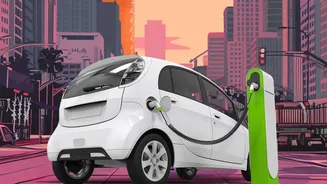
To meet these tough new targets, manufacturers will have to change their product strategies. The biggest winners are electric and hybrid vehicles. Under CAFE-III, battery-electric vehicles (BEVs) get a 'super-credit' multiplier, where each EV sold counts as three vehicles when calculating the company's average. Strong hybrids and plug-in hybrids also receive significant benefits. This will heavily incentivize carmakers to launch and sell more EVs and hybrids. We can also expect to see more cars equipped with fuel-saving technologies like start-stop systems, six-speed transmissions, and better aerodynamics. Furthermore, vehicles running on ethanol-blended fuel and CNG will also help manufacturers meet their compliance targets.
The Impact on Your Wallet
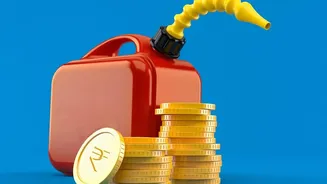
This green transition will likely come at a cost to the consumer, at least initially. To incorporate the required technologies—from hybrid systems to advanced engines—manufacturing costs will rise. Industry estimates suggest that car prices could increase by anywhere from ₹20,000 to ₹1.25 lakh, depending on the vehicle segment and the technology used. While the upfront cost of buying a new car might go up, the stricter fuel economy standards mean you will save more money on fuel over the lifetime of the vehicle. The regulations are a long-term positive for energy security, but they could create short-term affordability challenges, especially in the price-sensitive small car market.
Are All Carmakers Ready for This Shift?
The new rules will affect different automakers in different ways. Companies that already have a strong portfolio of EVs, hybrids, and efficient small cars, are better positioned to adapt. Manufacturers heavily dependent on large, petrol or diesel-powered SUVs may face more pressure to innovate or risk paying penalties. The framework allows companies that exceed their targets to earn credits, which they can trade with other manufacturers who fall short. This creates a market-based mechanism to encourage overall industry compliance. Ultimately, the rules are designed to reward forward-thinking companies that invest in cleaner technology and reshape their offerings for a greener future.