





The AI and Data Explosion
The primary driver behind this escalating power demand is the astronomical growth in artificial intelligence and cloud computing. Training and running advanced AI models require immense computational power, often from specialized, energy-hungry graphics
processing units (GPUs). According to the International Energy Agency (IEA), electricity consumption from servers designed for AI is growing at a staggering rate. A single AI query can consume ten times the electricity of a standard web search, and when multiplied by millions of users, the energy needs quickly exceed what many local grids were designed to handle. This isn't just about AI chatbots; it encompasses everything from autonomous vehicle development to complex scientific research, all hosted in sprawling data centers that function as the world's digital backbone. This demand is causing a structural 'super-cycle' in electricity needs.
The Scale of the Global Demand
The numbers are stark. The IEA projects that global electricity consumption from data centers could surge from around 460 terawatt-hours (TWh) in 2024 to over 1,000 TWh by 2030. To put that in perspective, 1,000 TWh is more than the current annual electricity consumption of many industrialized nations. In some regions, the impact is even more acute. In the United States, data centers could account for up to 12% of the country's total electricity use by 2030. Tech corridors like Northern Virginia in the U.S., Dublin in Ireland, and Singapore are already feeling the pressure, with data centers becoming the largest local electricity consumers. In Virginia, one cluster of data centers was responsible for over 20% of the area's power consumption in 2023. This intense, concentrated demand is creating bottlenecks and forcing a radical rethink of how power is delivered.
A Race to Upgrade the Grid
The world's electrical grids were not built for this kind of rapid, concentrated load growth. The fundamental challenge is a mismatch in timelines: a large data center can be built in 18 to 24 months, but securing a grid connection can take four to five years, and building major new transmission lines can take a decade or more. Recognizing this bottleneck, regulators and grid operators are scrambling to streamline processes. However, the question of who pays for these multi-billion-dollar upgrades is a major point of contention. Utilities, data center developers, and governments are negotiating new frameworks to allocate costs, which could see tech giants funding significant portions of infrastructure upgrades through long-term agreements or consumers facing higher electricity bills.
The Push for Greener Power
This surge in electricity demand complicates global efforts to decarbonize. While fossil fuels are expected to meet over 40% of the new demand from data centers until 2030, there is a massive push toward cleaner alternatives. Tech giants like Microsoft, Amazon, and Google have pledged to become carbon neutral or negative and are among the world's largest corporate buyers of renewable energy. They are directly investing in new wind and solar farms to power their operations. Beyond conventional renewables, the industry is exploring next-generation solutions. This includes everything from advanced battery storage and geothermal energy to a renewed interest in nuclear power, particularly small modular reactors (SMRs), which could provide the reliable, carbon-free baseload power that data centers require.
Building Smarter, More Efficient Centers
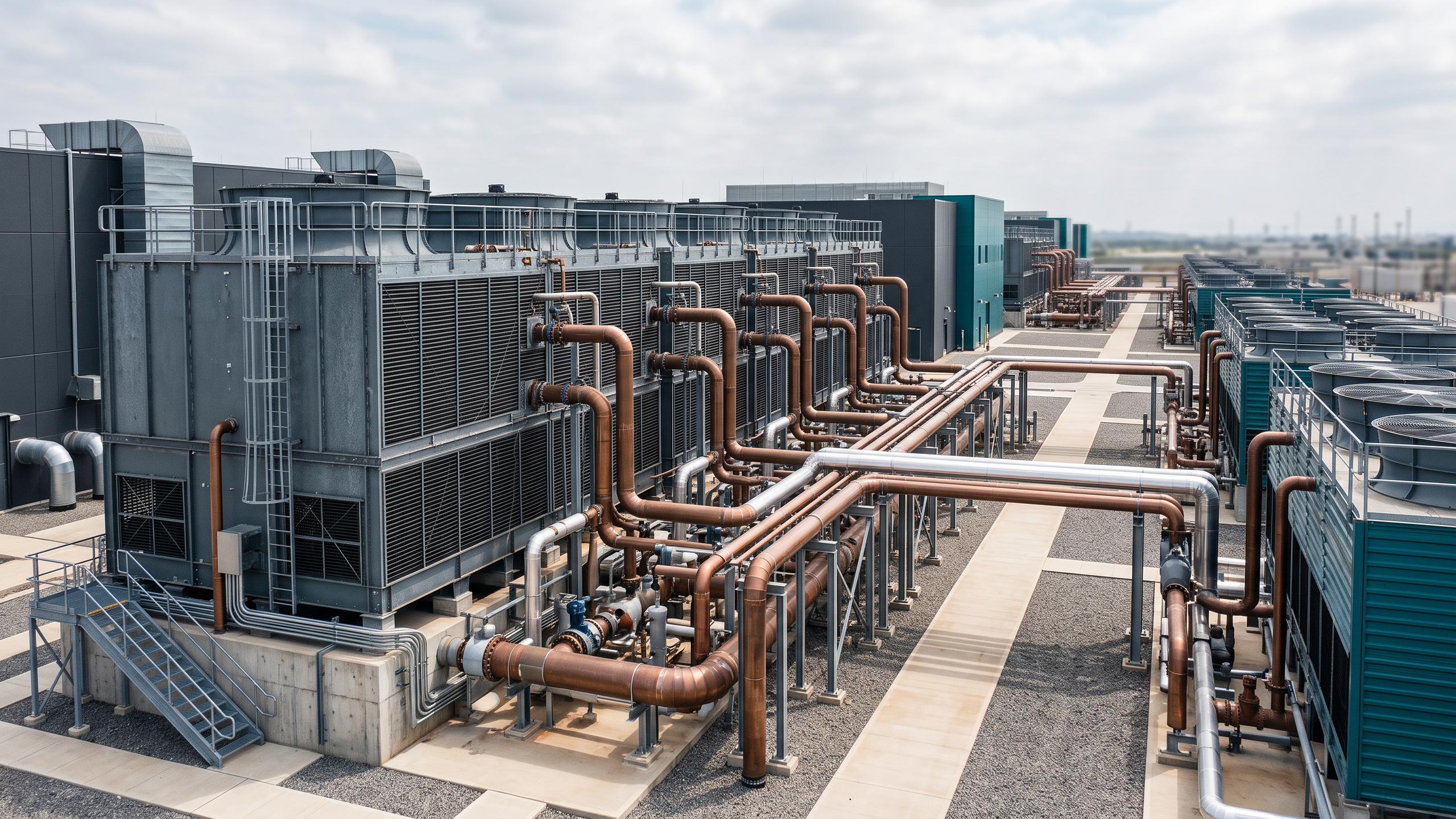
Alongside finding new power sources, the industry is also focused on making data centers themselves more efficient. Innovations in hardware are a key part of this; next-generation chips promise to deliver significantly more processing power for the same energy consumption. Another critical area is cooling, which can account for a substantial portion of a data center's energy use. Advanced liquid cooling systems are replacing traditional air conditioning, offering a much more efficient way to manage the intense heat generated by densely packed servers. Furthermore, AI itself is being used to optimize operations, dynamically managing workloads and cooling systems in real-time to reduce energy waste and even help stabilize the broader power grid.