


Beyond Just Bad Breath
While persistent bad breath is a well-known sign of dental issues, it's often just the tip of the iceberg. By the time you notice a foul odour, dental disease might already be progressing. Plaque buildup hardens into tartar, leading to gum inflammation
(gingivitis) and eventually periodontal disease, which can cause severe pain, tooth loss, and damage to the underlying bone. In fact, a majority of dogs and cats show signs of dental disease by age three, making it one of the most common health problems pets face. Ignoring it means ignoring a source of chronic pain that can affect their entire body.
Subtle Changes at Mealtime
A pet suddenly refusing to eat is an obvious red flag, but the signs of dental pain are often much more nuanced. Your dog or cat might start taking longer to finish their meals, or begin dropping food from their mouth while trying to eat. You may notice them chewing on only one side of their mouth or suddenly showing a preference for softer food over their usual hard kibble. Some pets may approach their food bowl with hesitation or walk away after only a few bites. These aren't necessarily signs of a picky eater; they are often attempts to avoid pain while eating.
Unexplained Personality Shifts
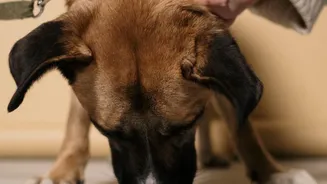
One of the most frequently missed indicators of dental pain is a change in your pet's personality. A normally affectionate cat might become withdrawn or start hiding more often. A playful dog might lose interest in their favourite chew toys or games of fetch. This reluctance isn't laziness; chewing can be painful. You might also notice increased irritability, anxiety, or even sudden aggression. A pet that flinches or snaps when you try to touch its head or face may be 'head shy' because of oral pain, not because it's suddenly badly behaved. These shifts are often a direct result of living with chronic discomfort.
Clues in Grooming and Physical Habits
Changes in everyday habits can also point to a sore mouth. Cats, who are typically meticulous groomers, may groom themselves less often or stop altogether because the movement is painful. You might see your dog or cat pawing at their mouth or rubbing their face against furniture or the floor in an attempt to relieve the ache. Excessive drooling—sometimes tinged with blood—is another sign that should not be ignored. In some cases, you might even notice jaw trembling or mouth chattering, which can be a strong indicator of tooth sensitivity or nerve pain.
The Whole-Body Connection
Untreated dental disease doesn't just stay in the mouth. The bacteria from an infected mouth can enter the bloodstream and travel to vital organs like the heart, kidneys, and liver, potentially causing serious systemic health issues. Chronic pain also takes a toll on a pet's overall well-being and energy levels, leading to lethargy and a decreased quality of life. What may seem like your pet just 'slowing down with age' could actually be the draining effect of a persistent, painful condition that needs medical attention.