

India's High-Stakes Salt Habit
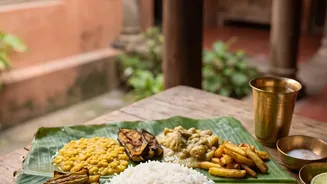
From pickles and papads to the everyday dal and sabzi, salt is a non-negotiable part of the Indian plate. Unfortunately, this flavour comes with a significant health burden. Studies show that the average Indian consumes between 8 and 11 grams of salt per
day, far exceeding the World Health Organization's (WHO) recommended limit of less than 5 grams. This excessive sodium intake is a primary driver of a silent epidemic: hypertension, or high blood pressure. High blood pressure, in turn, is a major risk factor for cardiovascular diseases like heart attacks and strokes, which are among the leading causes of death in the country.
The Proposed Solution: A Smarter Salt
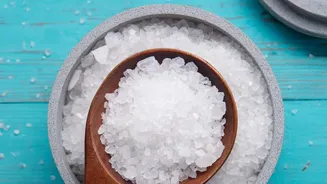
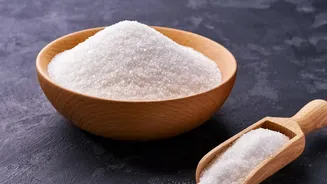
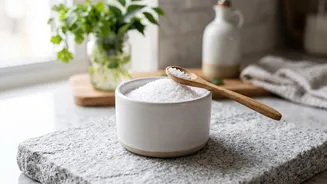
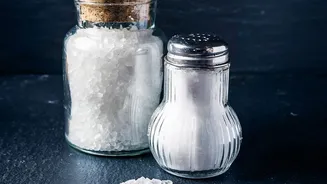
Instead of asking a nation to give up the taste it loves, a growing consensus of Indian and international experts is advocating for a different approach: changing the salt itself. The proposal centres on promoting 'low-sodium salt substitutes' (LSSS), also known as potassium-enriched salt. These products look, taste, and cook just like regular table salt but have a crucial difference in their chemical makeup. A portion of the sodium chloride (NaCl) is replaced with potassium chloride (KCl), typically a blend of about 70-75% sodium chloride and 25-30% potassium chloride. This simple switch could be a game-changer for public health.
How It Works: The Science of Balance
The magic of low-sodium salt lies in its dual action. Firstly, it mechanically reduces the amount of sodium consumed in each pinch. Secondly, and just as importantly, it increases the intake of potassium. Potassium is a vital mineral that helps counteract the effects of sodium in the body. It helps the kidneys excrete more sodium and eases tension in the walls of blood vessels, both of which contribute to lowering blood pressure. With Indian diets being notoriously low in potassium, this switch addresses two nutritional shortfalls at once. Research has shown that making this change can significantly lower blood pressure, with some studies noting reductions that could cut the risk of stroke by 14% and death from cardiovascular events by 12%.
The Push from Experts and Policymakers
This is not just a theoretical idea. Leading bodies like the Indian Council of Medical Research (ICMR) and institutes like AIIMS and The George Institute for Global Health have been actively studying and recommending this intervention. A consensus statement from a panel of top Indian medical experts in April 2026 called for LSSS to be integrated into national health strategies, including updating FSSAI standards to recognise it as an 'edible salt' category. Some have even called it a 'dietary vaccine' for hypertension—a passive intervention that provides constant protection without requiring people to change their lifelong cooking habits.
Challenges and the Path Forward
Despite the clear benefits, there are hurdles to overcome. One of the main concerns is the safety for individuals with advanced kidney disease, who may not be able to process the extra potassium. Experts note, however, that the risk is often overstated compared to the population-wide benefits and applies to a very small subset of people. Other challenges include cost and availability. Currently, low-sodium salt is more than twice the price of regular iodised salt and is not widely available in small grocery shops. For the proposal to succeed, it will require policy support to make the healthier option the easier and more affordable choice, potentially through inclusion in government food programs like mid-day meals to build volume and drive down prices.