




Choose Your Monsoon Warriors
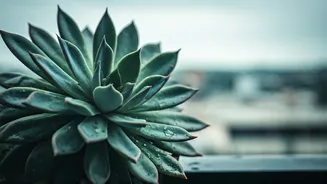
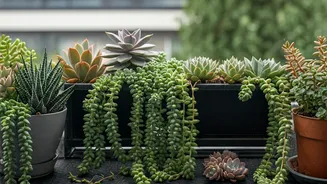
The single most important decision is selecting plants that love the Indian monsoon's humidity and heavy showers. Succulents and cacti are a definite no, as they are prone to rotting in wet conditions. Instead, embrace tropical plants that flourish in this
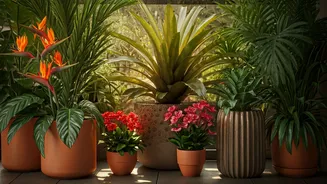
weather. Hibiscus, with its vibrant blooms, loves the rain, as do fragrant jasmine (mogra) and balsam. Foliage plants like monstera, money plant, ferns, and various philodendrons will feel right at home, their leaves becoming glossier and larger in the humid air. For a splash of seasonal magic, plant rain lily bulbs; they often sprout beautiful flowers just hours after a downpour. Herbs such as mint, tulsi, and lemongrass also do well, provided they are shielded from the heaviest downpours.
Get the Foundation Right: Pots and Soil
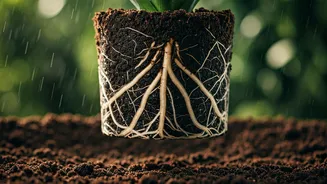
Success during the monsoon is all about drainage. Without it, even the most rain-loving plant will suffer from root rot. Ensure every single pot has at least one, preferably multiple, drainage holes at the bottom. Before filling your pots, you can place a piece of broken pottery or a small mesh over the holes to prevent soil from clogging them. Elevating your pots on bricks, small stones, or pot stands is a simple but highly effective trick. This allows excess water to escape freely and improves air circulation around the roots. The right soil mix is also crucial. Avoid heavy, clay-like soils that retain too much water. Instead, use a light, well-draining potting mix, which you can create by combining garden soil with cocopeat and sand or perlite to improve aeration and drainage.
Strategic Shelter and Support
While monsoon plants enjoy the rain, constant, heavy deluges can physically damage them, breaking stems and tearing delicate leaves. Observe your balcony to see which areas are most exposed. Group more delicate plants in sheltered corners or closer to the wall. For taller plants, providing support with stakes can prevent them from snapping in strong winds. If your balcony is very exposed, consider temporary solutions for the heaviest storms, like a waterproof tarpaulin or even an old bedsheet tied up to act as a windbreak. Remember to move extremely sensitive plants, like certain flowering annuals, indoors during a major downpour.
Vigilant Pest and Disease Control
The high humidity of the monsoon creates a perfect breeding ground for pests like mealybugs, aphids, snails, and slugs, as well as fungal diseases like powdery mildew. Prevention is your best strategy. Ensure good air circulation by not overcrowding your plants. Regularly prune any yellowing or dead leaves to prevent decay and remove potential hiding spots for pests. A fortnightly spray of organic neem oil solution is an excellent, all-natural way to deter most common pests and prevent fungal infections. Also, be extremely vigilant about standing water. Empty the trays under your pots daily to prevent them from becoming breeding grounds for mosquitoes.
Create a Cozy Monsoon Nook
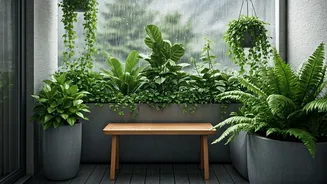
A monsoon balcony is about more than just plants. To make it a truly inviting space, choose decor that can withstand the weather. Opt for furniture made from synthetic wicker or sealed wood. For seating, a few colourful waterproof cushions can make a world of difference. An outdoor rug made from a synthetic material like plastic straw can add warmth and texture underfoot. Lighting is key to creating a magical evening atmosphere. Use waterproof LED fairy lights, stringing them along railings or around larger plants to create a warm, inviting glow. A few lanterns with battery-operated candles can complete the cozy, romantic feel of your rainy-day retreat.