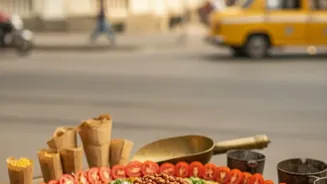










The Quintessential Winter Duo
Jaggery (gur) and peanuts (moongphali) are more than just ingredients; they are a winter tradition. Jaggery, an unrefined sugar made from sugarcane juice, is prized for its earthy sweetness and warming properties in Ayurveda. Peanuts, meanwhile, provide
a satisfying crunch and are packed with protein and healthy fats. Together, they form the basis of some of India’s most beloved seasonal treats, found everywhere from humble street carts to specialty sweet shops. This combination is not only delicious but also provides a much-needed energy boost during the colder months.
Lonavala and Mumbai: The Chikki Capital
No conversation about peanut and jaggery snacks is complete without mentioning Lonavala chikki. This brittle, crunchy confection has its origins in the hill station nestled between Mumbai and Pune. Historically, it was created as a high-energy snack for railway workers in the 19th century. Today, the streets of Lonavala are lined with shops, some decades old like the famous Maganlal's, selling countless variations of this treat. While the classic peanut chikki remains a favourite, you can also find versions with sesame, cashews, and even chocolate. In nearby Mumbai, street vendors and local trains are filled with the familiar sight of chikki slabs, offering a quick, nostalgic snack for busy commuters.
Delhi and North India: The Reign of Gajak
In North India, winter heralds the arrival of gajak. This dry, flaky sweet is traditionally made with sesame seeds (til) and jaggery, but peanut variations are also widely popular. Cities like Delhi, and regions in Uttar Pradesh and Rajasthan, celebrate the season with this confection. The process of making gajak is famously laborious, involving repeated hammering and stretching of the jaggery and seed mixture to achieve its signature layered, brittle texture. Believed to have originated in Morena, Madhya Pradesh, gajak has become a symbol of North Indian winter festivities, especially during Lohri and Makar Sankranti.
Bengaluru: A Celebration of the Humble Groundnut
While not a snack in the same vein as chikki or gajak, Bengaluru's 'Kadalekai Parishe' is a testament to the region's love for the groundnut. This annual groundnut fair, held near the Dodda Ganesha Temple in Basavanagudi, has a history stretching back centuries. Farmers from across Karnataka gather to offer their first harvest to the deity and sell mounds of fresh groundnuts to the public. While walking through the fair, you’ll find vendors selling freshly roasted or boiled peanuts, as well as local sweets like 'kadalai mittai' (a South Indian style of peanut chikki). The festival turns the streets into a vibrant celebration of the peanut, connecting the city's modern life with its agricultural roots.
Across the Country: Gur Patti and Local Variations
The simple and rustic 'gur patti' or 'gud patti' is perhaps the most widespread version of the peanut-jaggery snack. Unlike the refined chikkis of Lonavala or the flaky gajak, gur patti is often thicker, darker, and has a more pronounced jaggery flavour. It's the kind of snack you'll find being made fresh on street corners in cities like Agra and Ahmedabad. Each region has its own slight variation, whether it's called 'palli patti' in Andhra Pradesh and Telangana or 'kadalai mittai' in Tamil Nadu. These snacks are often made with just two core ingredients, showcasing the pure, unadulterated taste of roasted peanuts and rich, molten jaggery.