



The Problem with 'Random' Fusion
Let’s be clear: this isn’t an attack on all fusion food. Thoughtful, well-executed fusion can be transcendent, creating something new and wonderful from two distinct culinary traditions. The original Hakka-Chinese cuisine of Tangra is a testament to this,
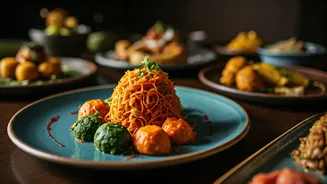
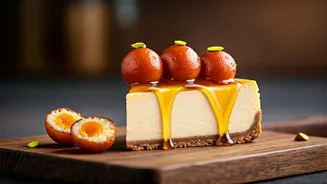
born from a genuine cultural exchange. But we’re not talking about that. We’re talking about its chaotic cousin: ‘random fusion’. This is the food of gimmicks, driven more by Instagram trends than by flavour logic. It’s the Butter Chicken Pasta that tastes like neither butter chicken nor pasta, or the Motichoor Ladoo donut that leaves you wishing you’d just had one or the other. This type of cooking is an act of assembly, not creation. It takes two popular things and mashes them together, hoping the combined brand recognition will be enough. It rarely is. The result is often a confusing plate of food that lacks a clear identity, a story, or a reason to exist beyond shock value.
The Deep Magic of Hyperlocal
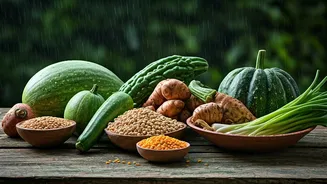
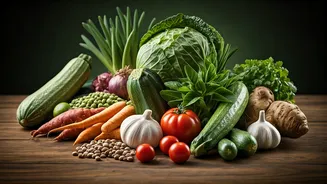
On the other end of the spectrum is hyperlocal food. This isn't just 'regional' food; it's food from a specific *terroir*—a unique combination of soil, climate, and culture. It’s the taste of a place, distilled onto a plate. Think of the sharp, pungent delight of a Bengali *shorshe ilish*, where the mustard paste is non-negotiable. Consider the comforting, tangy warmth of a Konkani *sol kadhi*, a drink perfectly designed for coastal humidity. Or the nutty, earthy flavours of dishes made with foraged greens like *lingri* (fiddlehead fern) from Himachal. These dishes weren't invented in a marketing meeting. They evolved over centuries, shaped by what grew locally, the rhythm of the seasons, and the collective wisdom of generations. They taste of history and geography. Every ingredient has a purpose, every spice a role. There's an inherent logic and soulfulness to it that a hastily conceived 'fusion' dish can never replicate.
A Story in Every Bite
When you eat a hyperlocal dish, you’re consuming a story. A dish featuring *ambadi* (gongura) leaves tells you about the sour-loving palates of Andhra and Telangana. A meal built around *bhangjeera* (perilla seeds) in Uttarakhand speaks of the state's agricultural heritage and the need for warming, high-energy foods in the mountains. This connection is what makes the experience so profound. Random fusion, by contrast, is often a story of convenience. It tells you what’s popular on food delivery apps this month. It’s a fleeting trend, while hyperlocal cuisine is an enduring legacy. One is a loud, temporary guest at the dinner table; the other is the wise, quiet grandparent who holds all the family secrets.
Why We Crave Authenticity
The growing appreciation for hyperlocal food in India is not just about nostalgia. It’s a sophisticated culinary movement. In a globalised world where everything is available everywhere, all the time, there is a powerful human craving for the specific, the authentic, and the rare. Diners are becoming more discerning. They are tired of homogenous flavours and are actively seeking out experiences that are unique and rooted in place. Chefs, too, are turning away from imported, fashionable ingredients like quinoa and kale, and are instead championing heirloom rice varieties from a single farm, forgotten millets, or wild vegetables known only to a specific community. They are becoming culinary archivists, preserving and celebrating the incredible biodiversity of our country. This isn't a step backward; it's a confident stride into a future where Indian food is celebrated for its incredible depth and diversity, not its ability to mimic Western formats.