


The Ringed Jewel: Saturn
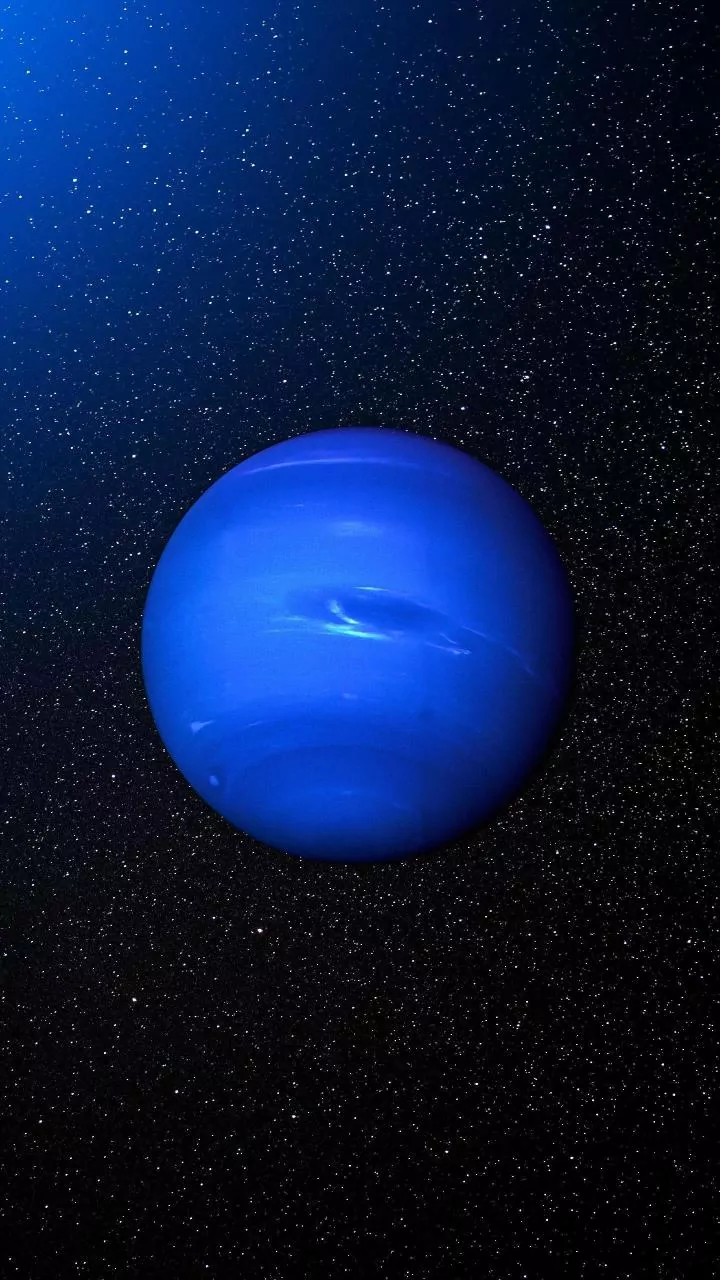
Saturn is the star attraction for the remainder of the month. While its grand opposition, when it is at its biggest and brightest, is on October 4, 2026, the planet is already a magnificent sight. In late August, the ringed planet rises in the mid-evening
and is visible for much of the night, appearing as a steady, yellowish-white point of light. It's an excellent target for anyone with a pair of binoculars or a small telescope. Even basic equipment can reveal its famous rings, which are currently tilted at an angle that gives us a view of its southern hemisphere. Look for it in the pre-dawn sky, where it will be shining brightly among the stars.
The Faint Farewell of a Meteor Shower
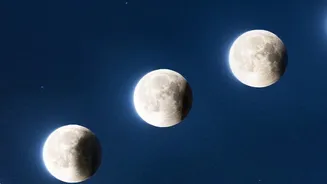
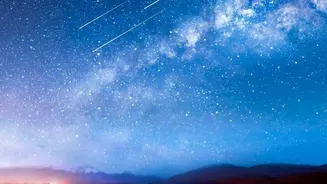
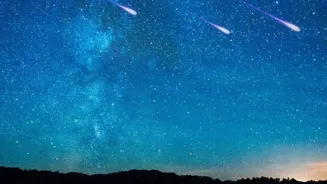
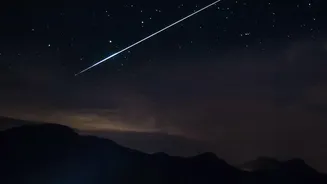
While the Perseids peaked around August 12-13, the shower remains active until about August 24. Your chances of seeing a meteor are lower now, but it's still possible to catch a stray 'shooting star' in the late hours. For those who enjoy the thrill of the hunt, another, more subtle meteor shower is also active: the Kappa Cygnids. Peaking around August 17-18, this is a minor shower with only about three meteors per hour, but it is known for producing occasional bright, slow-moving fireballs. The good news is that the moon is a waxing crescent and sets early, leaving the sky dark for better viewing.
The Summer Triangle Overhead
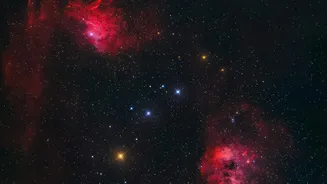
Look straight up on a clear August night and you'll be greeted by the Summer Triangle, a large and easily recognisable star pattern, or asterism. It's not an official constellation, but a prominent triangle formed by three of the brightest stars in the sky: Vega, Deneb, and Altair. Each star is the brightest in its own constellation (Lyra the Lyre, Cygnus the Swan, and Aquila the Eagle, respectively). In August, this massive triangle is high overhead in the evening, making it a perfect landmark for navigating the night sky, even in areas with some light pollution.
A Last Look at the Milky Way's Core
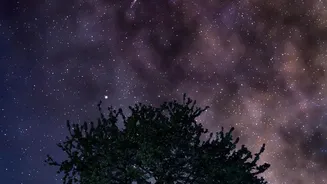
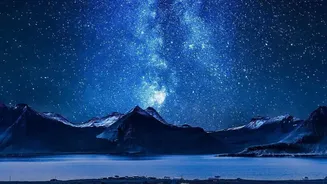
August is one of your last best chances this year to see the heart of our own galaxy. The dense, bright core of the Milky Way is a breathtaking sight, appearing as a hazy, glowing band of light arching across the sky. The core is visible from India from April through August, but as we move into September, it will start setting earlier and become harder to spot. To see it, you'll need to be in a location with very dark skies, far away from the light pollution of cities. Monsoon clouds can be a major challenge for most of the country, so the best viewing spots are in rain-shadow regions like Ladakh, Spiti Valley, or parts of the Thar Desert.
The Morning Planets: Mars and Venus
If you're an early riser, there are more treats in store. The planet Mars can be seen in the pre-dawn sky, appearing as a distinct, reddish point of light. Visibility is best in the hours just before sunrise. Not to be outdone, Venus, the brightest of all planets, is visible just after sunset. Look to the west as twilight fades to see this brilliant jewel shine. Throughout August, there will also be opportunities to see multiple planets, including Mercury and Jupiter, gathering in the morning sky, though they may be low on the horizon.