







Start With a Master Budget
The first step to a stress-free celebration is creating a clear budget. Before the festive excitement takes over, decide on a total amount you're comfortable spending. Break this down into categories: the idol, decorations, puja essentials, food, clothing,
and gifts. Listing all potential expenses helps prevent impulse buys. Many families start a dedicated 'Ganpati kitty' months in advance, setting aside a small amount each month to build their fund. This simple habit prevents last-minute financial strain from dipping into savings or using credit cards. A spreadsheet or even a simple notebook can help you track spending and ensure your devotion is celebrated with joy, not financial worry.
A Feast Without the Financial Fuss
Food is central to the festivities, from daily prasad to meals for guests. Planning your menu in advance is key to managing costs. Making traditional sweets and savouries at home is significantly cheaper and often healthier than buying them from shops. Involve family members in preparing classics like modak, ladoos, and puran poli. You can make healthier versions by using jaggery instead of sugar and baking or steaming instead of frying. For other puja essentials like coconuts, fruits, and flowers, shopping at local markets can lead to better prices than large supermarkets. Simple, homemade offerings like panchamrit or kesar badam milk are both traditional and cost-effective.
Decorate with Heart, Not High Costs
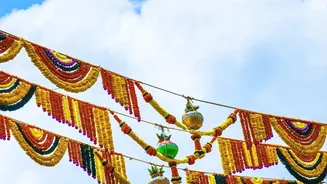
Creating a beautiful space for Lord Ganesha doesn't require a huge spend. The easiest way to save is by reusing decorations from previous years. For a fresh look, get creative with DIY decor. Old sarees or colourful dupattas can be repurposed into stunning backdrops for your mandap. Handmade paper flowers, torans, and lanterns add a personal touch and are a great way to involve children in the preparations. Instead of expensive synthetic garlands, opt for fresh, fragrant flowers like marigolds from local markets. Natural elements like banana leaves, painted clay pots, and rangoli made from kitchen ingredients like turmeric and rice flour are both beautiful and budget-friendly.
Go Green to Save Some Green
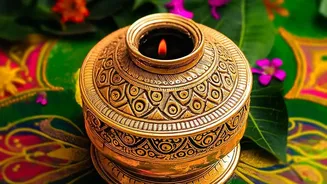
Eco-friendly choices are often pocket-friendly too. Opting for a traditional clay (shadu mati) idol is not only better for the environment but can also be more economical than larger Plaster of Paris (PoP) idols. These natural idols dissolve safely in water, making the visarjan ceremony simpler and more meaningful. For lighting, traditional oil lamps (diyas) create a warmer, more divine ambiance than fairy lights and are cheaper to use over the ten-day festival. Using brass lamps, which can be reused every year, is a sustainable investment. Serving prasad on banana leaves or reusable plates instead of disposables also reduces waste and cost.
Gifts That Say More Than the Price
Gifting during Ganesh Chaturthi is about sharing blessings, not showcasing expense. Thoughtful, personal gestures often mean more than costly items. A box of homemade modaks or other festive sweets is a classic and heartfelt gift. For return gifts, consider small, budget-friendly options like mini brass figurines, keychains, or single brass diyas. These can often be found for under 500 rupees and feel more substantial than generic tokens. Other ideas include small plants, eco-friendly seed kits, or Ganesha-themed books. The goal is to choose a gift that reflects the spirit of the festival without causing financial pressure.