


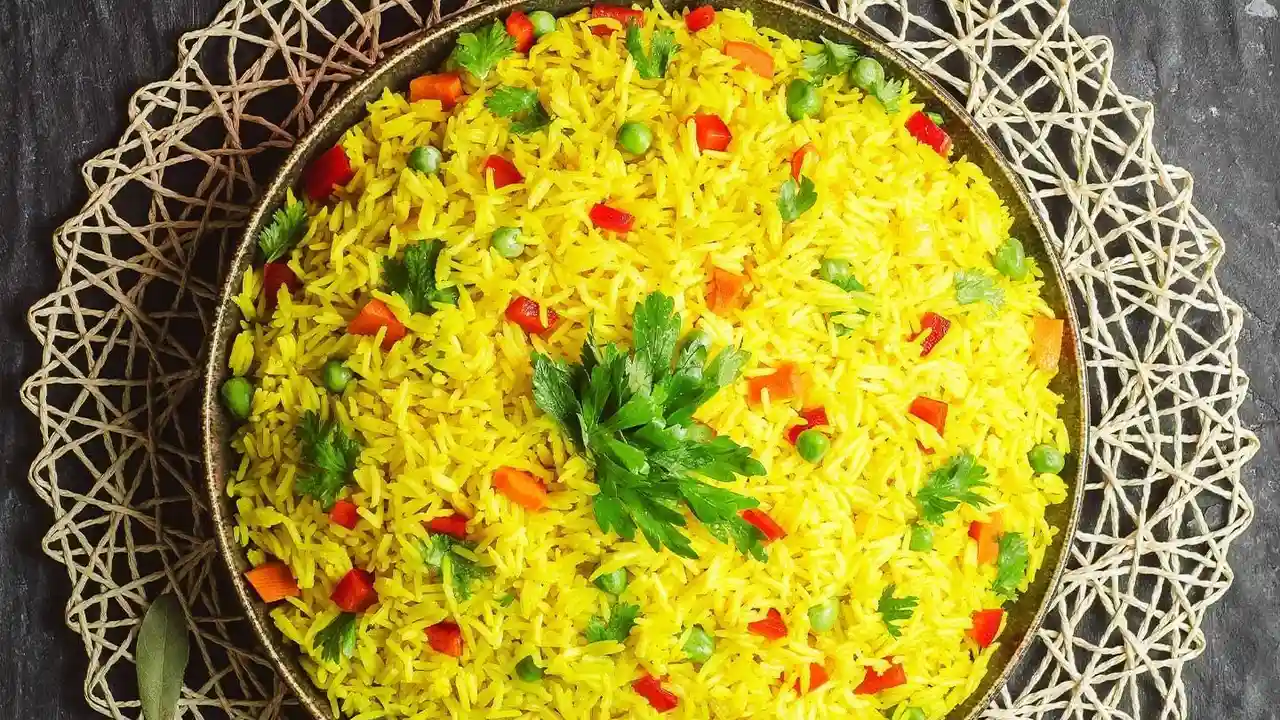
The Irresistible Allure of Crispy Rice
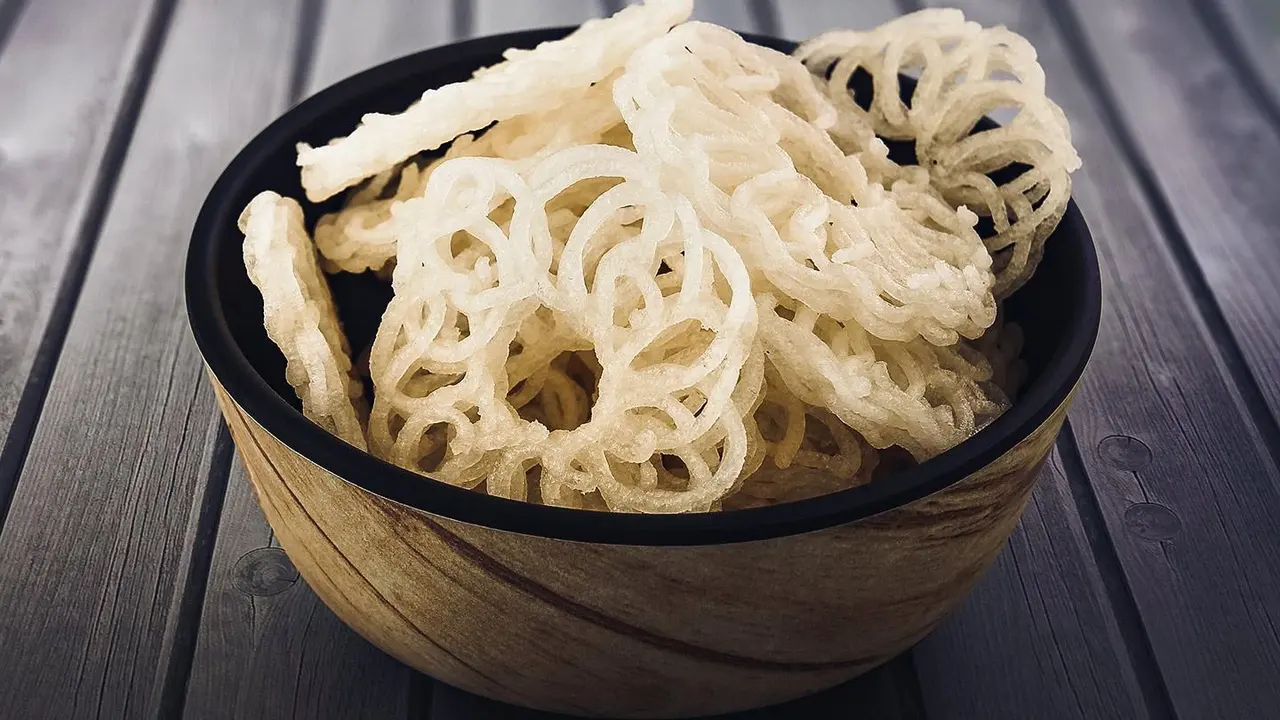
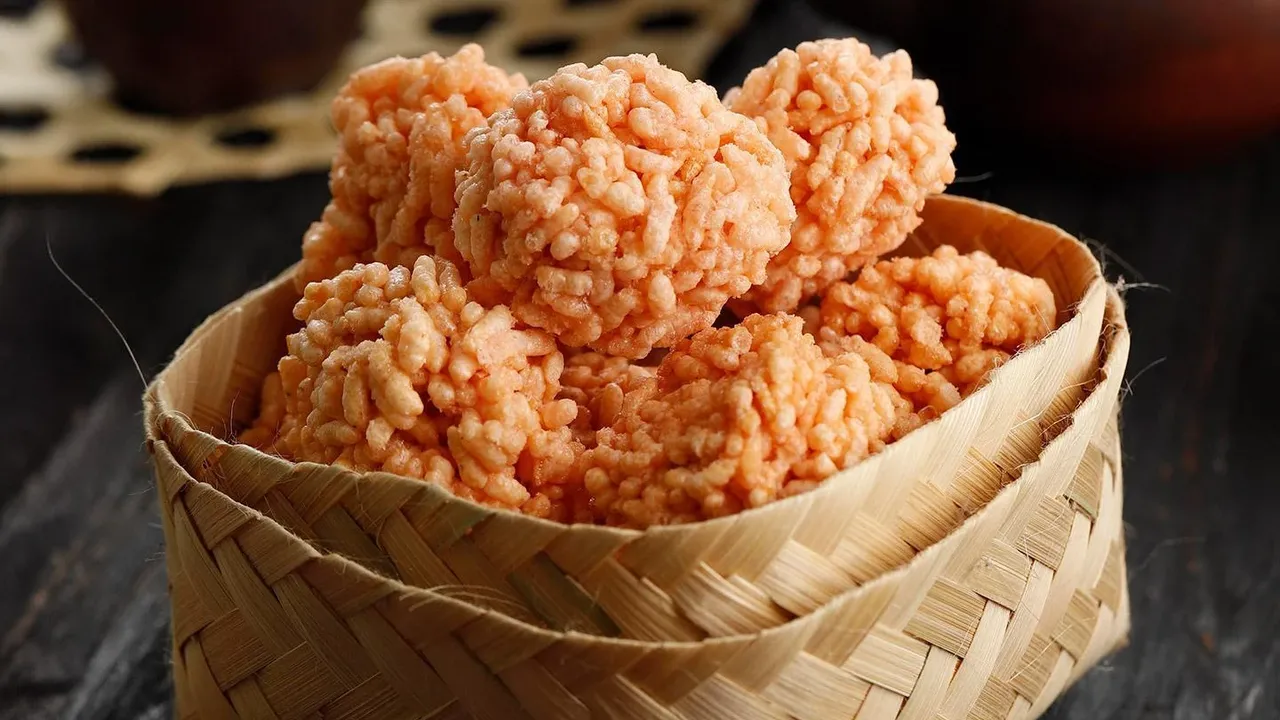
There's a reason crispy rice is having a moment, appearing on trendy restaurant menus and in viral social media posts. The appeal is universal: a deeply satisfying crunch giving way to a soft, fluffy interior. It’s a textural masterpiece that turns a humble
staple into the star of the plate. Beyond the crunch, crisping up rice caramelizes its natural starches, creating a nutty, toasted flavour that plain steamed rice just can't match. It’s also an incredibly versatile and frugal way to combat food waste. That day-old rice, which has dried out slightly in the refrigerator, is actually the perfect candidate for achieving a superior crunch.
The Classic Pan-Fry Method
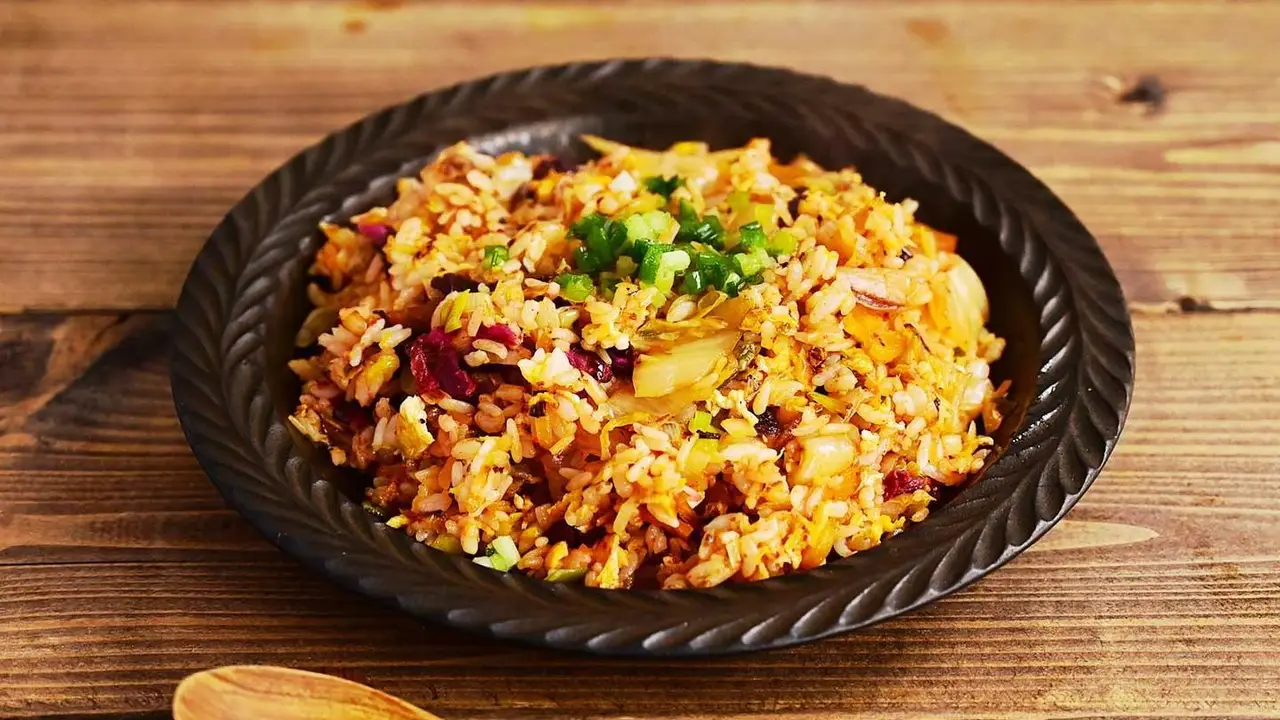
The simplest way to achieve crispy rice nirvana is in a skillet. Start with cold, cooked rice; day-old is best because it's drier and less likely to get mushy. Use a good non-stick or well-seasoned cast-iron pan. Add a neutral oil with a high smoke point, like canola or vegetable oil, and heat it over medium heat. You can either press the rice into a thin, even layer across the entire pan or form it into small patties. The most important part is to let it cook undisturbed for several minutes. Don't be tempted to stir too early; this allows a beautiful, golden-brown crust to form. After 4-5 minutes, you can check a corner. Once it's crispy, you can flip it to toast the other side or break it up for scattered crunchy bits.
Going Global: Tahdig and Nurungji
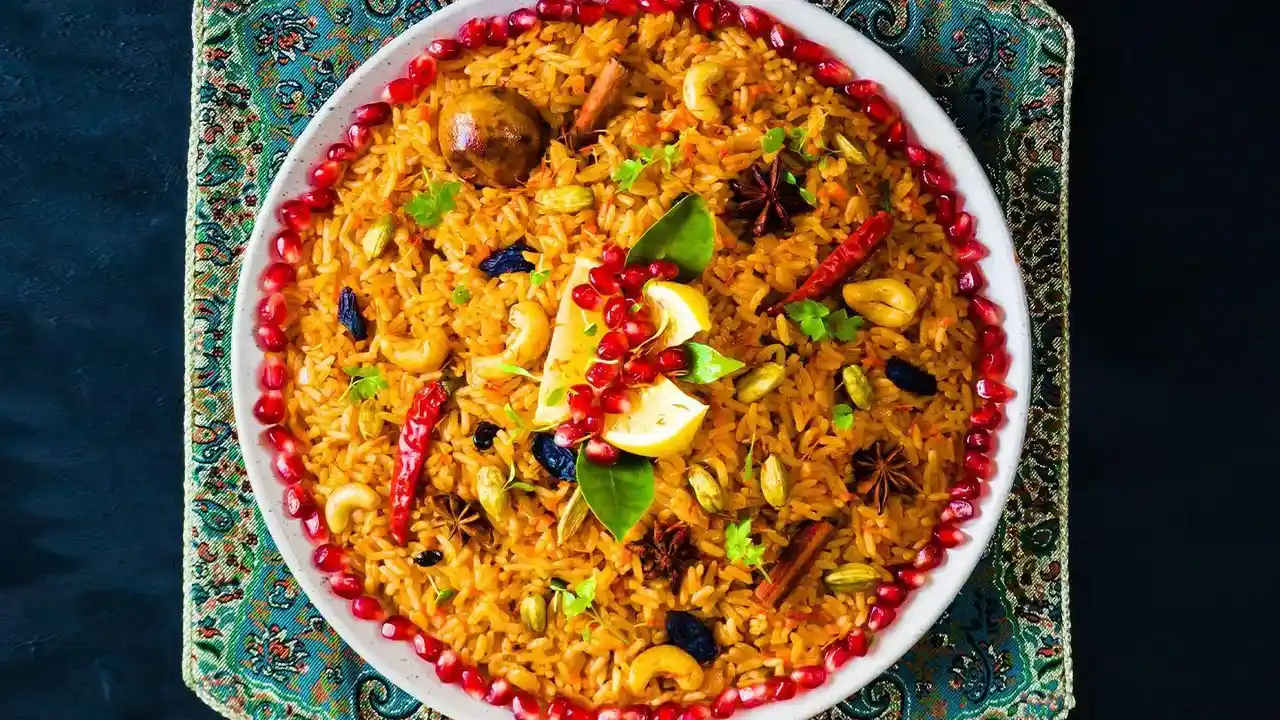
Cultures around the world have long celebrated the crispy bottom-of-the-pot rice. In Persian cuisine, this prized layer is called Tahdig, which translates to "bottom of the pot." It’s an intentional part of the rice-making process, often infused with saffron, yogurt, or butter to create a stunning, golden crust that’s served in large, impressive shards. You can make a simpler version with leftovers by pressing cooked rice into an oiled pan and cooking it, covered, until the bottom is deeply crisp. Similarly, Korean cuisine has Nurungji, or scorched rice. This can be made by pressing a thin layer of cooked rice in a lightly oiled pan until it becomes a single, cracker-like sheet. This crispy rice can then be eaten as a snack, sometimes sprinkled with sugar, or rehydrated in water or broth to create a comforting porridge called sungnyung.
Modern Methods: The Air Fryer and Oven
If you prefer a more hands-off approach, your other kitchen appliances can step in. For an oven-baked version, toss your cold, cooked rice with a bit of oil and soy sauce or other seasonings. Spread it in a single, thin layer on a baking sheet and roast at around 200°C. You’ll need to toss it once during cooking to ensure even browning. The air fryer also works wonders, creating incredibly crispy rice with less oil. Simply press a thin layer of leftover rice onto a piece of parchment paper that fits your air fryer basket. Cook at about 200°C for 10-12 minutes, or until it becomes a crunchy, golden-brown cracker. This method is foolproof for getting a uniform crispness.
Tips for Success and Serving Ideas
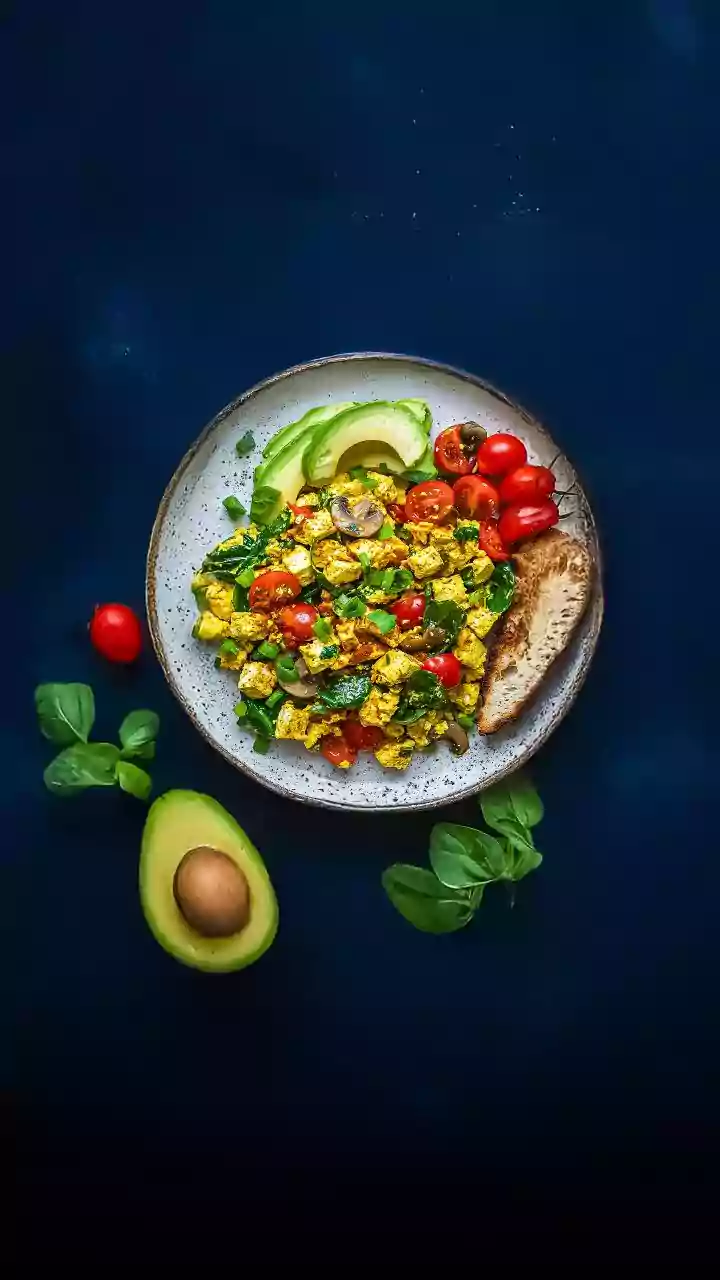
For the best results, always start with cold, cooked rice. Short-grain or sushi rice is often preferred for patties or cakes because its higher starch content helps it stick together. However, long-grain rice like jasmine or basmati works wonderfully for a looser, scattered crisp. Once you’ve perfected your technique, the possibilities are endless. Use your crispy rice as a base for a spicy salmon or tuna tartare, mimicking a popular restaurant dish. Top a crispy rice patty with a fried egg and some scallions for a fantastic breakfast. Crumble it over a salad or soup to add a delightful crunch, or simply serve it alongside a curry or stir-fry to soak up all the delicious sauce.