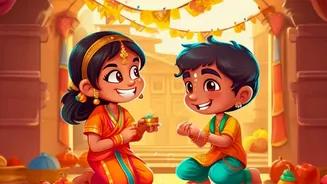



Amid the vibrant colours and sounds of festive seasons, a quiet, flavourful revolution is taking place in Indian kitchens. Families are lovingly returning to the tradition of brewing their own festive drinks, one glass at a time.
A Sip of Nostalgia
For generations, the arrival
of a festival in India was heralded by specific aromas wafting from the kitchen. The nutty, spiced scent of Thandai during Holi, or the tangy fragrance of Aam Panna as summer festivals approached, were integral to the celebration. These drinks were not just refreshments; they were stories in a glass, recipes passed down from grandparents, tying families to their regional and cultural roots. In recent years, a growing number of households are consciously turning away from commercially produced soft drinks and juices. They are choosing instead to revive these age-old traditions. This shift is driven by a powerful sense of nostalgia and a desire to connect with a more authentic way of celebrating. Making these drinks at home is about recreating the flavours of childhood and preserving a piece of family heritage.
The Wellness Factor
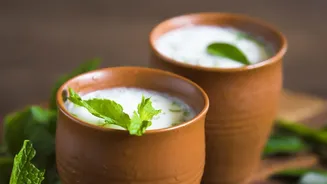
This revival is not just about tradition; it is also deeply rooted in a modern consciousness around health and wellness. Many traditional Indian drinks are lauded for their natural, functional benefits. For instance, Aam Panna, made from raw mangoes, is an excellent drink for hydration and preventing heat stroke. Similarly, Chaas (spiced buttermilk) and Lassi are probiotic-rich beverages that aid digestion, a welcome antidote to heavy festive feasting. These homemade brews are crafted from natural ingredients like fruits, yoghurt, seeds, and spices, free from the artificial preservatives, additives, and excessive sugars found in many packaged drinks. In a world increasingly focused on clean eating, the simple, nourishing goodness of a homemade Nimbu Pani or Bel Sharbat holds immense appeal. These drinks offer hydration and vital nutrients without the empty calories of their commercial counterparts.
Festive Favourites Making a Comeback
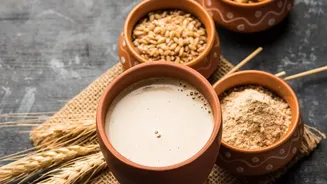
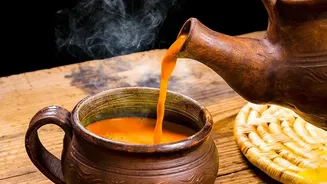
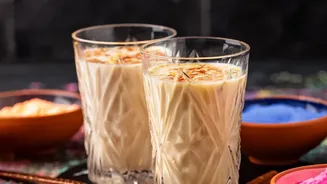
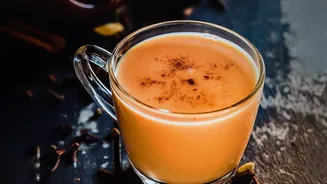
Across India, a diverse array of traditional beverages is being rediscovered. During Holi, Thandai is a quintessential favourite—a rich, milk-based drink infused with a blend of almonds, fennel seeds, rose petals, and spices like cardamom and pepper. Come summer and festivals like Ram Navami, you will find households preparing Panagam, a simple yet profound cooler made with jaggery, water, and a hint of ginger and cardamom. Other popular choices include Kanji, a fermented drink made from black carrots that is both tangy and probiotic, and Sol Kadhi, a soothing coastal concoction of coconut milk and kokum fruit. Even everyday refreshers like Sattu Sharbat, a protein-packed drink from roasted gram flour popular in Eastern India, are finding a wider audience. The renewed interest in these regional specialities is also fuelled by social media, where food bloggers and influencers share recipes and introduce these drinks to a new generation.
The Modern Home-Brewer
The rediscovery of these drinks doesn't mean a rigid adherence to ancient methods. Many are adding a creative twist to classic recipes. You might find a traditional Lassi blended with seasonal fruits like mango or a Thandai used as a base for a fusion smoothie. The core flavours remain, but the presentation is often updated for a contemporary palate. The process itself has become a source of joy. It's an activity that brings family members together, a sensory experience of grinding fresh spices or smelling the first batch of Aam Panna concentrate simmering on the stove. This handson approach offers a fulfilling alternative to simply opening a bottle. It transforms a simple beverage into a meaningful part of the festive preparations, imbued with care and personal touch that storebought options can never replicate.