


Mission Accomplished: Dragon Returns Home
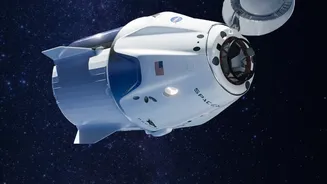
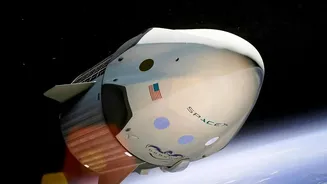
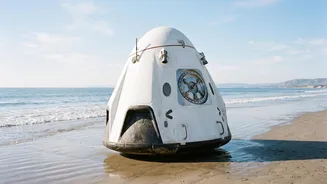
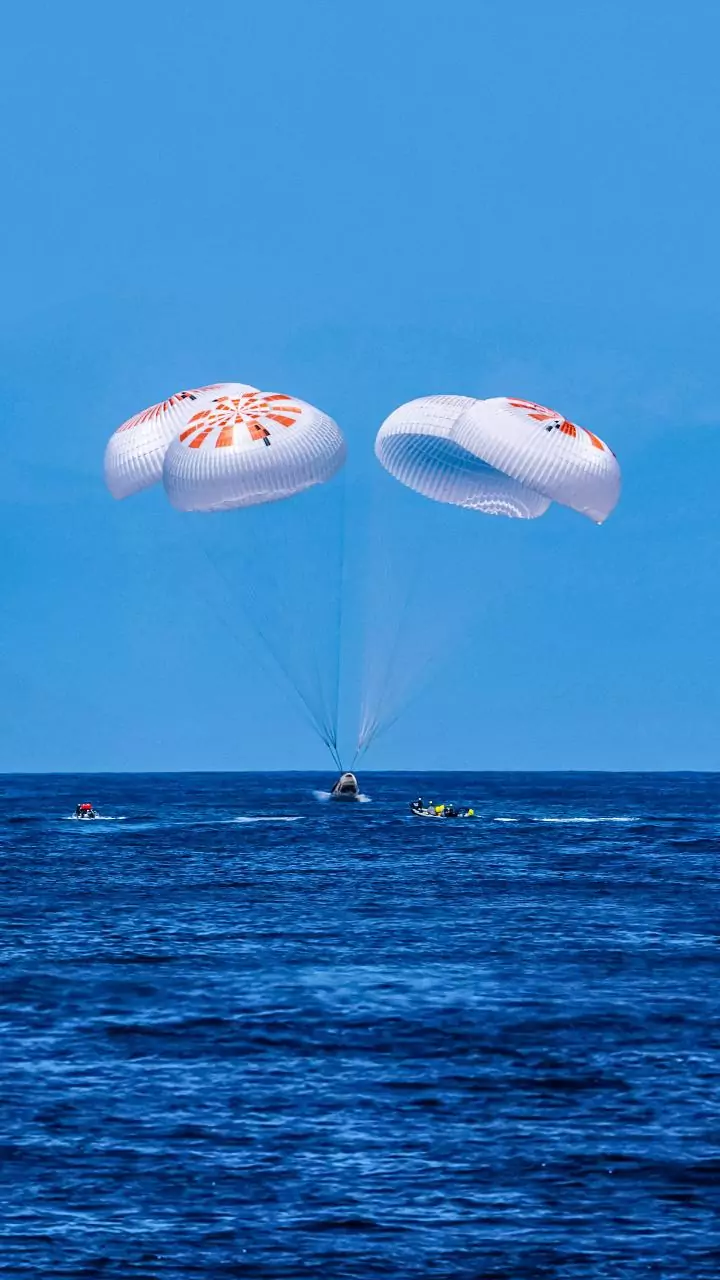
NASA has confirmed the successful completion of SpaceX's 35th Commercial Resupply Services (CRS) mission. The uncrewed Dragon spacecraft splashed down in the Pacific Ocean off the coast of California on Saturday, November 21. The capsule began its journey
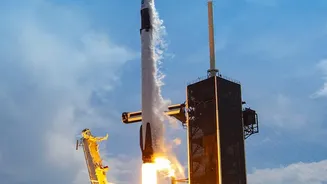
home when it undocked from the International Space Station (ISS) on Friday, November 20, completing a mission that began with its launch from Florida on October 13. After about 37 days attached to the orbiting laboratory, the capsule returned carrying thousands of pounds of hardware and scientific samples. Recovery teams were on standby to retrieve the valuable payload, which is unique in its ability to return materials to Earth intact, unlike other cargo vehicles that burn up on reentry.
The Science of Sleep in Zero Gravity
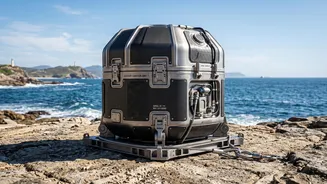
One of the most anticipated items returning from the ISS is equipment related to astronaut well-being, including a lighting system tested for its potential to support sleep. Getting quality sleep in space is notoriously difficult. Astronauts on the ISS experience a sunrise every 90 minutes, which can disrupt the body's natural circadian rhythm. Combined with microgravity, constant equipment noise, and the stress of the mission, many astronauts average less than the recommended hours of sleep per night. Studies have shown that astronauts often get just over six hours of sleep, which can impact cognitive performance, mood, and overall health. Researchers will analyze the data from the returned hardware to better understand the challenges of sleep in orbit and develop countermeasures, which is critical for ensuring the health and performance of crews on future long-duration missions to the Moon and Mars.
A Vital Orbital Delivery Service
The CRS-35 mission was a two-way street, crucial for both up-and-down logistics. On its way to the station, the Dragon capsule delivered over 6,300 pounds of supplies, science experiments, and hardware. This included food and provisions for the crew, along with the final pair of new roll-out solar arrays (iROSA) to upgrade the station's power grid. The returned cargo is just as important. Beyond the sleep study hardware, the capsule brought back samples from a variety of experiments. These include a 3D-bioprinted blood vessel used to study cardiovascular disease and frozen tumor organoids that could help advance cancer treatments. These returned samples allow scientists on the ground to conduct in-depth analysis that isn't possible aboard the station.
The Commercial Spaceflight Model
The success of the CRS-35 mission underscores the strength of NASA's partnership with private companies like SpaceX. The Commercial Resupply Services program enables NASA to outsource the logistics of getting cargo to and from the ISS. This public-private model has proven to be a reliable and efficient way to maintain the orbiting laboratory, allowing NASA to focus its resources on deeper space exploration goals, such as the Artemis program to return humans to the Moon. The Dragon's unique capability to return significant amounts of cargo makes it an indispensable part of the space station's operational toolkit, ensuring that the valuable science conducted in orbit makes its way back to researchers on Earth.