




A Bond That Literally Grows
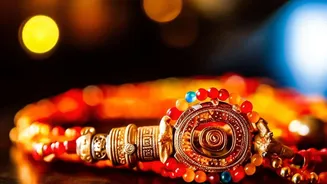
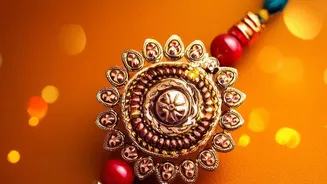
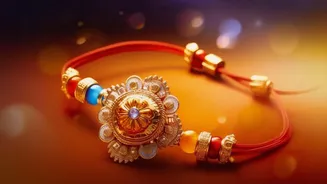
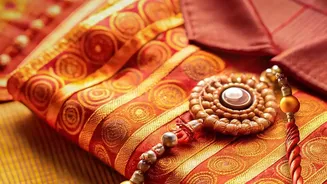
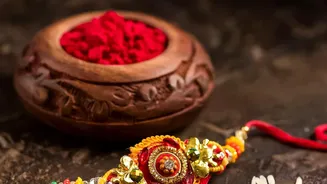
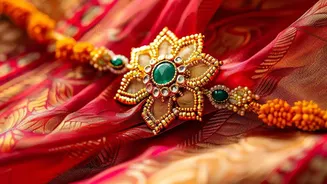
The most talked-about innovation this Rakhi season is the 'seed rakhi'. Unlike traditional rakhis made from plastic beads and non-biodegradable threads that end up in landfills, these are crafted from natural materials like handmade paper, cotton, or
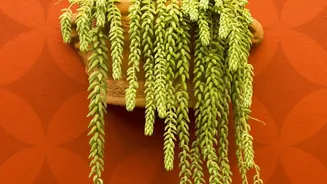
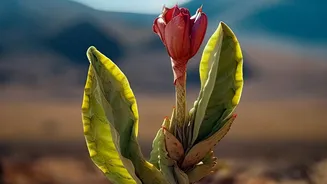
clay. Embedded within the central design are seeds of vegetables, herbs, or flowers like basil, tomato, and marigold. After the festival, instead of being discarded, the rakhi can be planted in a pot of soil. With a little water and care, it sprouts into a living plant—a beautiful, lasting metaphor for a sibling bond that continues to grow and flourish. This simple, powerful concept transforms a single-day ritual into an enduring, green memory.
Upcycled with Love
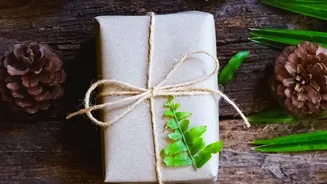
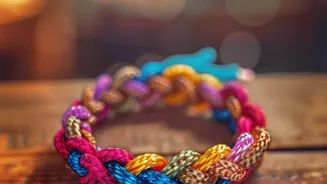
The conscious shift extends beyond the rakhi itself to the gifts exchanged. The trend of upcycling is breathing new life into what might have been considered waste. Artisans and creative individuals are transforming discarded materials into unique, heartfelt presents. Think of old glass bottles turned into decorative jute-wrapped lamps, discarded wooden crates beautifully painted to become bookshelves, or even textile waste from large factories being recycled into yarn to create colourful, handmade rakhis. These gifts are not just about saving the environment; they are about thoughtfulness, creativity, and giving a piece of art that has a story and a soul, moving away from mass-produced, impersonal options.
Empowering Local Artisans
This movement towards sustainable gifting has a significant social impact. Many of these artisanal rakhis and upcycled crafts are produced by local artisans, rural women's self-help groups, and small, ethics-driven businesses across India. Choosing to buy a handmade terracotta rakhi, a hand-spun cotton thread rakhi, or a gift made from reclaimed materials directly supports these communities. It provides a livelihood, preserves traditional craft techniques, and empowers individuals, especially women in rural areas. In this way, the act of tying a rakhi or giving a gift becomes a gesture that strengthens not just familial bonds, but community bonds too.
A Shift in Generational Values
The rising popularity of eco-friendly Raksha Bandhan celebrations reflects a broader shift in consumer values, particularly among younger Indians. There is a growing desire for authenticity, sustainability, and products that align with personal ethics. A 2026 trends report notes a clear move towards environmentally conscious alternatives for festivals. The choice is no longer just about aesthetics or price, but about the story behind the product and its impact on the world. This conscious consumerism is redefining what it means to give a good gift. It’s about celebrating traditions in a way that feels both modern and meaningful, ensuring the festival's spirit of protection extends to the planet as well.