



A Legacy Fired in Earth
For centuries, the potter's wheel has been central to life in Rajasthan. From the iconic votive plaques of Molela to the distinctive black pottery of Sawai Madhopur and the paper-thin Kagzi pottery of Alwar, clay craft is woven into the state's cultural
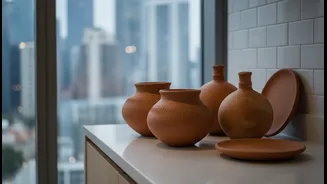
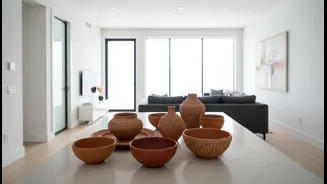
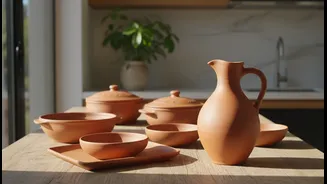
fabric. In the kitchen, terracotta is more than just functional; it's a way of life. Earthen pots, or 'handis', are prized for their ability to cook food evenly and retain moisture, imparting a unique flavour that metal utensils cannot replicate. Vessels for storing water keep it naturally cool, while special pots for setting curd are a staple in many households. This heritage, passed down through generations, is a living testament to sustainable, intuitive design. The skills are often a family affair, with entire communities like the Kumhars of Molela dedicating their lives to the craft.
The Cracks Begin to Show
Despite its rich history, Rajasthan's pottery tradition has faced significant challenges. The rise of cheaper, mass-produced alternatives like plastic, steel, and non-stick cookware has pushed traditional earthenware to the margins. Changing lifestyles and the fast pace of modern urban life have also led to a decline in demand for these traditional vessels. For artisans, this has meant financial instability and dwindling incomes, making it difficult to compete. Consequently, younger generations have been hesitant to take up the family craft, leading to a very real fear that these ancient skills could be lost forever. The craft, once a mainstay of local economies, was becoming more of a relic, often reduced to tourist memorabilia rather than being a part of daily life.
A Modern Blueprint for an Ancient Craft
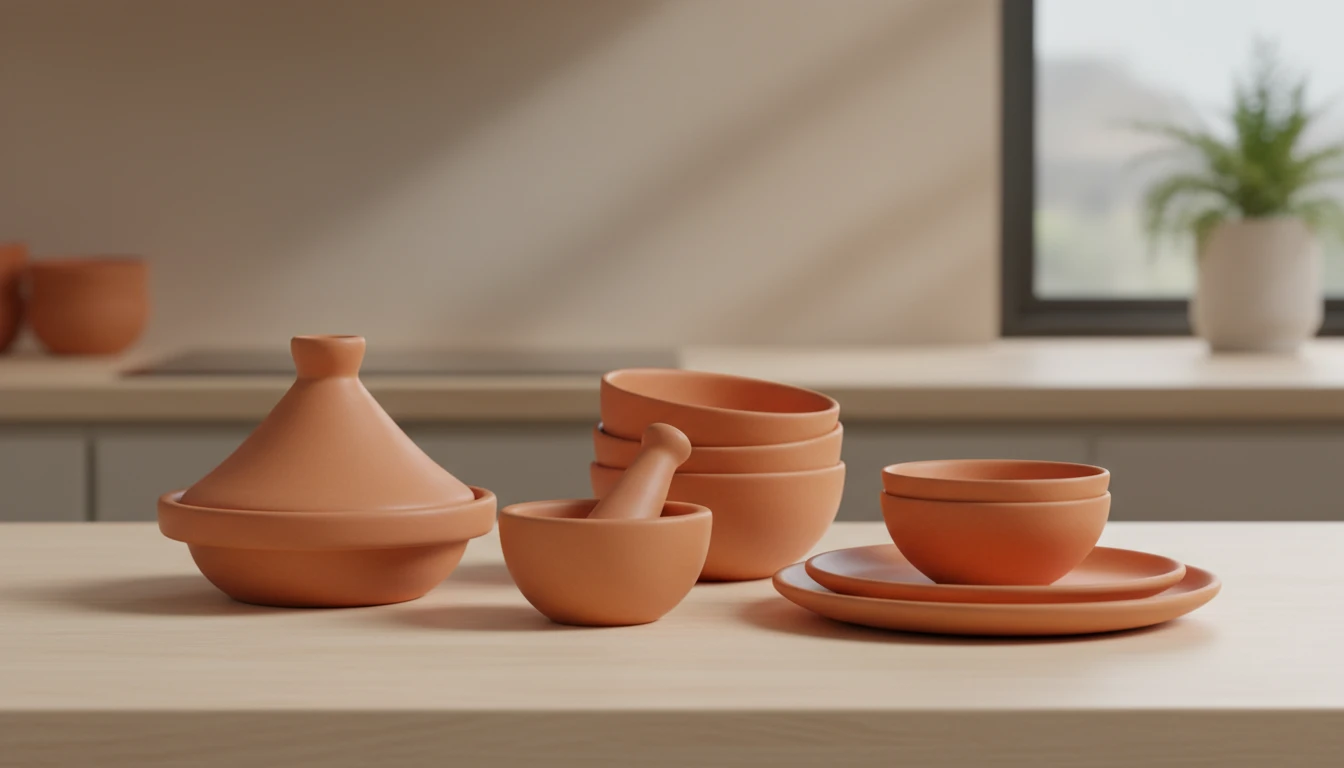
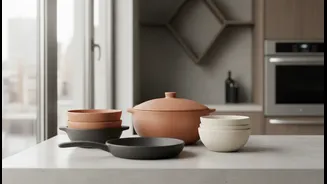
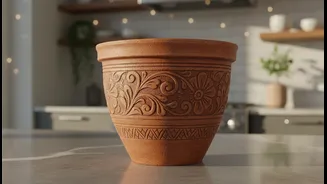
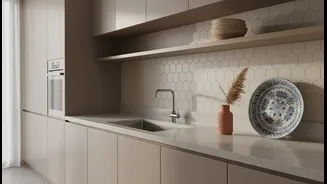
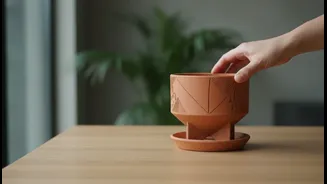
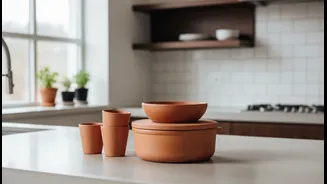
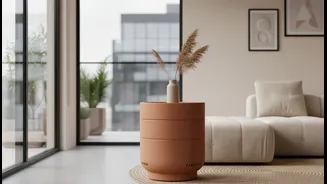
A quiet revolution is now reshaping the future of Rajasthani pottery. A new generation of designers and social enterprises are collaborating with artisan communities to bridge the gap between tradition and modernity. These partnerships are not about replacing old techniques but enhancing them. Designers are working with potters to create new forms that appeal to contemporary urban tastes—think minimalist dinnerware, elegant water bottles, and terracotta coffee mugs. The focus is on blending function with modern aesthetics. For example, some artisans are experimenting with forms that are compatible with modern kitchens, while others infuse traditional motifs into sleek, new designs. This collaboration extends beyond design to include branding, packaging, and marketing, helping artisans connect directly with a wider, more appreciative market through online platforms and design-led stores.
More Than Just Pottery
This fusion of old and new is about much more than creating beautiful objects. It represents a powerful movement towards cultural preservation and economic empowerment. By providing artisans with a steady income and a global platform for their skills, these initiatives are revitalizing entire communities. Companies like Swadeshi Blessings, featured on Shark Tank India, work with over 120 artisans in Rajasthan, ensuring they receive fair prices and year-round employment. This revitalisation aligns with a growing consumer desire for sustainable, eco-friendly, and handcrafted products. As people become more conscious of their environmental impact and seek authenticity over mass production, these handcrafted clay pieces offer a meaningful alternative. Each pot tells a story of the artisan who made it, the land it came from, and the heritage it represents.