








The Power of the Sunshine Vitamin
There's a good reason Vitamin D gets so much attention. This fat-soluble vitamin is crucial for our bodies. Its most famous role is helping us absorb calcium and phosphorus, the building blocks of strong bones and teeth. Without enough Vitamin D, our bodies can't
get the calcium they need from our food, which can lead to weak or soft bones. But its job doesn't stop there. Research shows it's a key player in supporting a healthy immune system, potentially reducing the risk of infections and autoimmune diseases. Some studies have also linked adequate Vitamin D levels to mood regulation and a decreased risk of depression.
A Widespread Deficiency
Despite living in a country with abundant sunshine, a surprisingly large percentage of the Indian population suffers from Vitamin D deficiency. Studies have shown prevalence rates as high as 70-98% in adults. Several factors contribute to this, including darker skin pigmentation which reduces the skin's ability to produce Vitamin D, cultural practices of covering up, high levels of urban pollution that block UVB rays, and diets often low in naturally rich sources of the vitamin. This widespread lack makes the conversation around supplementation important, but it also increases the risk of people trying to self-correct without proper guidance.
The 'Not Casual' Warning
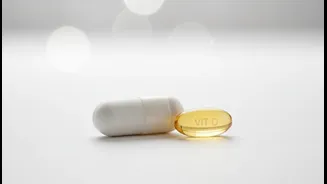
This is where the headline's caution comes into play. Because deficiency is common, many people start taking high-dose supplements without medical advice. The thinking is often, 'If some is good, more must be better.' This is a dangerous misconception. Vitamin D is fat-soluble, which means unlike water-soluble vitamins that are flushed out of the body, excess amounts are stored in your body's fat and can build up to toxic levels over time. This condition, known as hypervitaminosis D or Vitamin D toxicity, is rare but can cause serious health problems. It almost always occurs from taking high-dose supplements over a long period, not from diet or sun exposure.
Signs You've Taken Too Much
Vitamin D toxicity leads to a buildup of calcium in your blood, a condition called hypercalcemia, which is responsible for most of the symptoms. Early signs can be subtle and might include nausea, vomiting, loss of appetite, constipation, and weakness. As levels get higher, more serious symptoms can appear, such as increased thirst and frequent urination, confusion, muscle weakness, and bone pain. In severe cases, this excess calcium can be deposited in soft tissues and organs, leading to kidney stones, kidney damage, and even abnormal heart rhythms.
Finding the Right Balance
So, how do you get what you need without overdoing it? A balanced approach is key. Sensible sun exposure (about 15-20 minutes on the arms and legs a few times a week) is a great natural source. You can also turn to food. Fatty fish like salmon and tuna, egg yolks, and mushrooms exposed to UV light are good natural sources. Many foods like milk, yogurt, and breakfast cereals are also fortified with Vitamin D. For supplementation, it's crucial to follow medical advice. Indian expert guidelines often recommend daily doses around 1000-2000 IU for adults, but this can vary. Never take mega-doses unless specifically prescribed and monitored by a doctor.
Should You Get Tested?
Routine Vitamin D testing for the general population isn't typically recommended. However, a doctor might order a test if you have specific risk factors or symptoms of a deficiency. These can include having a bone disorder like osteoporosis, a condition that affects nutrient absorption, limited sun exposure, or being over 65. If you are taking supplements, especially high doses, your doctor may also want to monitor your levels to ensure they stay within a safe and effective range. The key is to have this conversation with your healthcare provider rather than ordering tests or starting high-dose treatments on your own.