








Why Watermelon Is a Superfruit for Pups
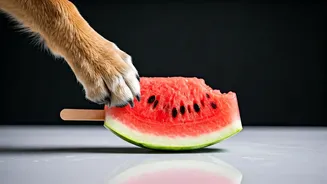
You might think of watermelon as just a sugary, watery treat, but for dogs, it’s a nutritional powerhouse when served correctly. The most obvious benefit is hydration. Composed of about 92% water, watermelon is a fantastic way to help your dog stay hydrated
on scorching hot days, supplementing their regular water intake. But its benefits don't stop there. This vibrant fruit is packed with dog-friendly vitamins, including Vitamin A, Vitamin C, and Vitamin B6. Vitamin A is crucial for vision, skin, and coat health, while Vitamin C provides a welcome antioxidant boost to their immune system. It’s also a source of potassium, which supports healthy muscle and nerve function. Best of all, it's low in calories and fat-free, making it a guilt-free indulgence compared to many processed dog treats.
Safety First: The Watermelon No-Go Zones
Before you rush to the kitchen, it's crucial to understand how to prepare watermelon safely. Not all parts of the fruit are safe for canine consumption. The two biggest things to avoid are the seeds and the rind. Watermelon seeds, especially in large quantities, can cause intestinal blockages, which can be a serious and painful medical issue for your dog. While a stray seed or two probably won't cause harm, it's always best practice to remove them all. For this reason, choosing a seedless watermelon is the easiest and safest option. The green rind is also a major hazard. It is very tough and difficult for dogs to digest, which can lead to gastrointestinal upset or, worse, a blockage. Always cut the flesh away from the rind completely before preparing it for your pup. Think of it this way: only serve your dog the bright pink or red parts that you would eat yourself.
The Ultimate 2-Ingredient Pupsicle Recipe
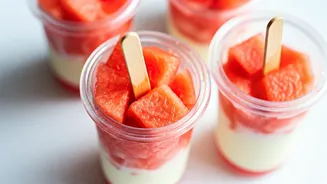
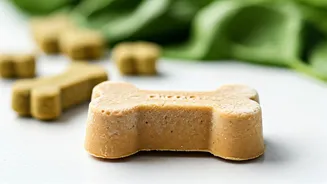
Making these treats is delightfully simple and requires almost no culinary skill. You’re just a few steps away from a very happy dog. **Ingredients:** - 2-3 cups of fresh, seedless watermelon, rind removed - A splash of plain water (optional, only if your blender needs help) **Instructions:** 1. **Prep the Fruit:** Cut the watermelon into small, manageable cubes. Double-check to ensure there are no seeds or bits of rind. 2. **Blend It Up:** Place the watermelon cubes into a blender. Blend on high until you have a smooth, liquid purée. If the mixture is too thick for your blender, add a tablespoon of water at a time until it loosens up. 3. **Pour and Freeze:** Pour the watermelon purée into an ice cube tray, a silicone mould, or even a KONG toy. For a true 'popsicle' look, you can use pet-safe moulds and place a dog biscuit or a carrot stick in the centre to act as an edible 'stick'. 4. **Freeze Solid:** Place the tray or mould in the freezer for at least 4-5 hours, or until completely frozen. Once solid, pop them out and they’re ready to serve!
Get Creative with Healthy Add-ins
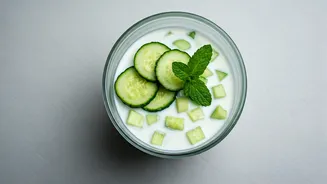
While pure watermelon is fantastic on its own, you can easily customise these pupsicles to add extra flavour and nutrients. Just be sure any additions are also dog-safe. - **Creamy Dream:** Add a tablespoon of plain, unsweetened dahi (yogurt) or Greek yogurt to the blender. This adds probiotics for gut health and creates a creamier texture. Ensure the yogurt contains no xylitol, an artificial sweetener that is highly toxic to dogs. - **Berry Boost:** Toss in a few blueberries or strawberries. Both are packed with antioxidants and are safe for dogs in moderation. - **Tropical Twist:** A splash of pure coconut water (not coconut milk) can add extra electrolytes, perfect for rehydration after a long walk. Again, check for no added sugars or sweeteners. - **Herbal Freshness:** A few fresh mint leaves blended in can help freshen your dog's breath. Just a little goes a long way.
How Much Is Too Much?
As with any treat, moderation is key. Watermelon contains natural sugar, and too much can lead to an upset stomach or diarrhoea. A good rule of thumb is that treats (including fruits) should not make up more than 10% of your dog's daily caloric intake. For a small dog, one or two small frozen cubes are plenty for a day. A medium-to-large dog might enjoy three or four. Think of these as a special, occasional refreshment rather than a daily meal supplement. If your dog has any underlying health conditions like diabetes, it's essential to consult your veterinarian before introducing any new foods, including fruit, into their diet.