





The Challenge of Humidity
During the rainy season, increased moisture in the air accelerates food spoilage and encourages the rapid growth of microbes like fungi and bacteria. Pathogens such as E. coli and Salmonella thrive in these damp conditions, raising the risk of foodborne
illnesses like gastroenteritis, diarrhoea, and cholera. According to the Food Safety and Standards Authority of India (FSSAI), the risk of such diseases rises significantly during this time. Therefore, extra vigilance in how you handle, prepare, and store food is not just a good habit—it's essential for your health.
Handling Fresh Fruits and Vegetables
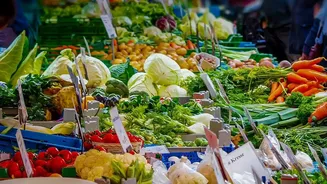
Fresh produce is particularly vulnerable to contamination from rainwater and dirt. Always wash fruits and vegetables thoroughly under clean, running water before use. For leafy greens like spinach and cauliflower, which can harbour hidden worms or larvae, consider soaking them in saltwater or a mild vinegar solution before a final rinse. It's best to wash produce only right before you plan to eat or cook it, as storing wet vegetables can hasten spoilage. After washing, pat them completely dry with a clean cloth or paper towel.
Smart Storage for Fresh Produce
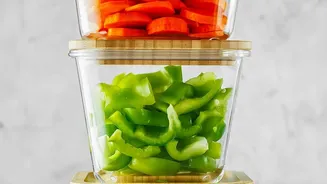
Proper storage is key to extending the life of your vegetables. Avoid leaving them in the plastic bags you brought them home in, as these trap moisture. Instead, wrap leafy greens in paper towels and place them in perforated bags or airtight containers in the refrigerator's crisper drawer. Root vegetables like potatoes, onions, and garlic should not be refrigerated; store them in a cool, dark, and well-ventilated place, like in a mesh bag or wooden box. Keep fruits and vegetables separate, as some fruits release ethylene gas that can cause other produce to spoil faster.
Safeguarding Meats, Dairy, and Leftovers
Perishable items such as meat, poultry, seafood, and dairy products spoil very quickly in humid weather and must be refrigerated promptly at or below 4°C. To prevent dangerous cross-contamination, always store raw meat and eggs separately from cooked foods and fresh produce in the refrigerator. Cooked food should not be left at room temperature for extended periods. Store any leftovers in clean, airtight containers and place them in the fridge as soon as possible. When you're ready to eat them, ensure they are reheated thoroughly.
Keeping Dry Goods Dry
The ambient moisture during monsoon can ruin dry goods, making biscuits soggy and causing items like flour, salt, sugar, and spices to clump together. Transfer these items from their original packaging into high-quality airtight containers made of glass or BPA-free plastic immediately after purchase. Never use a wet spoon to scoop ingredients, and avoid opening jars directly over steaming pots to prevent moisture from getting in. For extra protection, you can place natural moisture absorbers like a small cloth pouch of rock salt or some dry neem leaves on your pantry shelves.
Maintaining a Clean Kitchen Environment
A clean kitchen is your first line of defence. Regularly clean and disinfect all surfaces, including countertops, chopping boards, and sinks, with a mild disinfectant. Pay special attention to drying these surfaces completely to prevent damp spots where bacteria can breed. Use an exhaust fan while cooking to reduce humidity and ensure good ventilation by opening windows when it isn't raining. It's also wise to clean your refrigerator frequently, defrosting it every couple of weeks to prevent mould buildup from condensation.
Water Safety and Personal Hygiene
Waterborne diseases are rampant during the monsoon, as water sources can become contaminated. Use only boiled, filtered, or purified water for drinking and cooking. Be cautious with street food, especially items like raw chutneys or juices, as the water used may not be safe. Finally, good personal hygiene is non-negotiable. Always wash your hands thoroughly with soap and water before handling food, after using the restroom, and before eating to prevent the transfer of germs.